Minnesota House Ethics Committee dismisses Boundary Waters conflict complaint against Falconer
The House Ethics Committee cleared Alex Falconer as Boundary Waters fights intensify, a ruling that could shape North Shore policy, tourism and outfitter income.
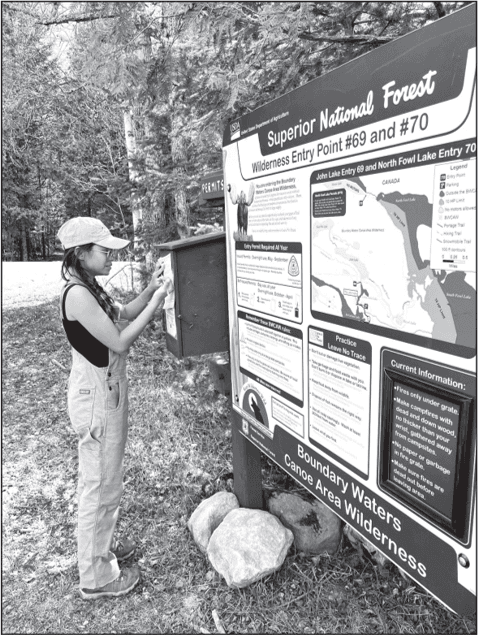
The Minnesota House Ethics Committee cleared Rep. Alex Falconer of a conflict-of-interest complaint just as Boundary Waters politics were sharpening in St. Paul, a ruling with direct consequences for Lake County’s tourism economy, outfitting businesses and public-lands debate.
The committee voted unanimously on May 1 that there was no probable cause in the complaint filed by House Republicans. The complaint said Falconer was employed by Northeastern Minnesotans for Wilderness as a senior advisor, had filed as a lobbyist in 2024 and had written Boundary Waters-related and wild rice-related bills that matched his employer’s lobbying agenda. It also said Falconer was still listed on the Save the Boundary Waters website as a federal government relations manager as of April 6.
Falconer said he had already ended his lobbying work and said his commitment to protecting public lands and the Boundary Waters drove his legislative work. Ethics chair Greg Davids said the panel was “not a court of law” but an internal accountability process between elections. In closed session, members found no probable cause against Falconer.
The dispute reaches far beyond the Capitol. The Boundary Waters Canoe Area Wilderness covers more than 1,098,000 acres, stretches nearly 150 miles along the international border and includes more than 1,200 miles of canoe routes, 12 hiking trails and over 2,000 designated campsites. The Forest Service places it in the northern third of Superior National Forest in northeastern Minnesota, a region where wilderness policy shapes the pace of business in Ely, Grand Marais, Tofte and across Lake County.
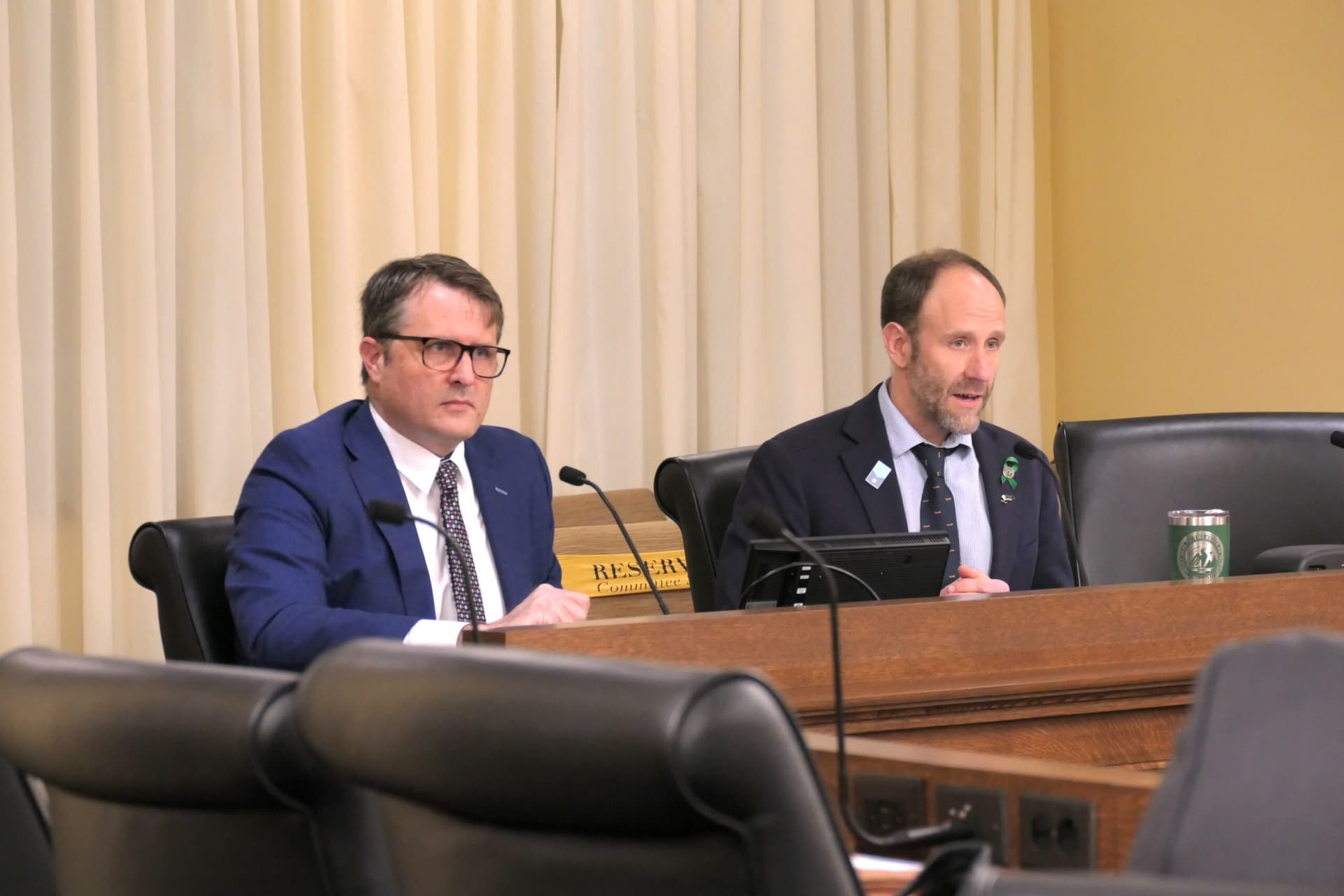
A 2018 economic analysis found that out-of-region Boundary Waters visitors spent nearly $57 million in Lake, Cook and St. Louis counties during the summer of 2016, generating $77 million in economic output and nearly 1,000 jobs. For guides, outfitters, lodges, gear shops and restaurants on the North Shore, those figures translate into real stakes every time lawmakers debate access, conservation or mining near the wilderness.
That pressure is only rising. On April 16, the U.S. Senate voted 50-49 to overturn a 20-year mineral withdrawal protecting 225,378 acres in the Boundary Waters watershed, a move advocates said could clear a path for Twin Metals’ proposed copper-nickel mine near Ely. The region also sits within the 1854 Treaty Ceded Territory and on Anishinaabe land, adding another layer of legal, cultural and political significance to every decision made in St. Paul and Washington.
Falconer’s case underscores the central fight now: who gets to shape Minnesota’s land-use future, and whether lawmakers can separate public duty from the causes and employers that brought them to office. For Lake County, the answer will help determine not only wilderness policy, but also the tourism income and small-business livelihoods tied to the Boundary Waters.
This article was produced by Prism’s automated news system from verified source data, official records, and press releases, then run through automated quality and moderation checks before publishing. The system is built and supervised by the people who set the standards it runs under. Read our full AI policy.
Did this article answer your question?