North House folk school's hide week blends tanning and cultural revival
Hide Week drew students from Alaska to Germany and turned North House into a working showcase for hide tanning, tourism and Indigenous cultural revival.
North House turns hide work into a regional draw
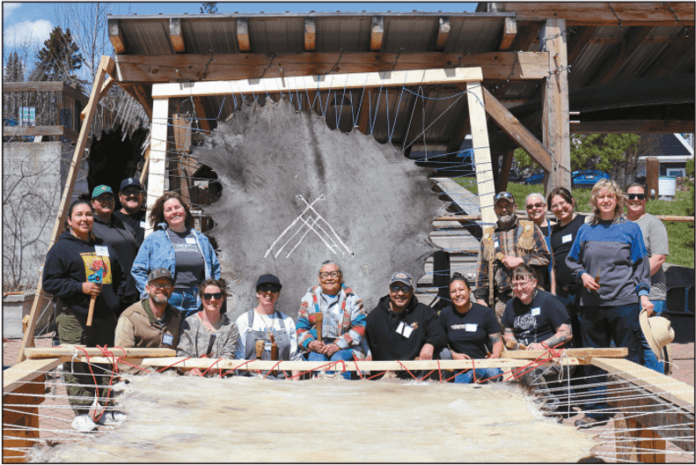
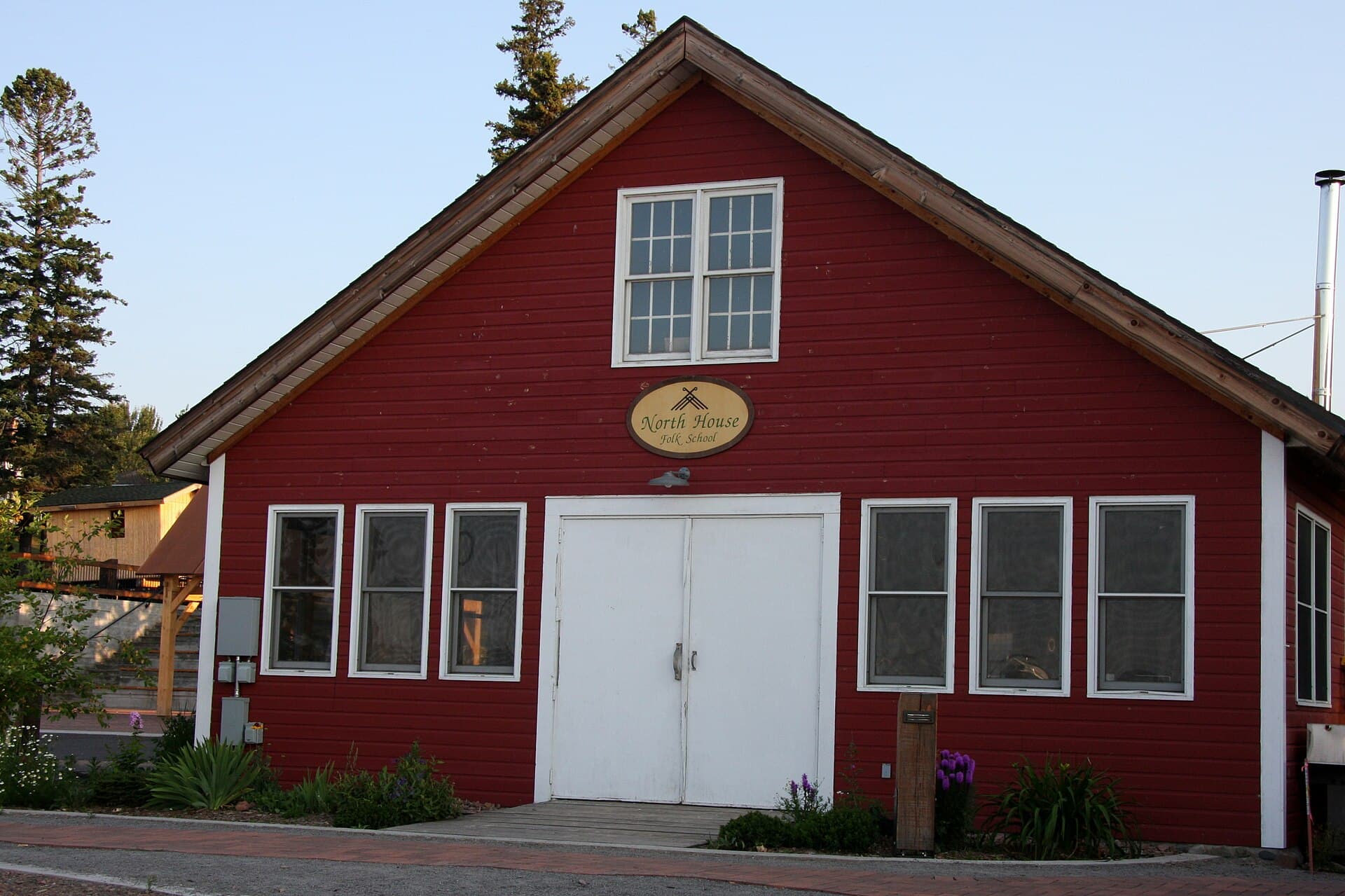
North House Folk School turned its Grand Marais campus into a place where hide tanning was not an exhibit but a working, noisy, hands-on trade. Hide Week 2026 centered on eight courses and five special guest instructors from the U.S., Canada and Sweden, giving the school one of its most concentrated demonstrations of what it means to make traditional skill a public asset.
The week matters because North House treats hide tanning as more than instruction. The school frames Hide Week as a setting for community learning and cultural revitalization in hide-camp settings, and Jessa Frost, the program director, notes that humans have practiced hide tanning for 40,000-plus years. That long arc gives the week an economic and cultural edge at the same time: it attracts tuition-paying students while keeping a knowledge system visible that many communities have had to fight to preserve.
A classroom with people, places and traditions from across the North
The student mix is part of the story. People came from Alaska, Germany, various First Nations territories in Canada, sovereign Native nations in the United States, and from just down the road in Lake County. North House says that broad mix is exactly the point, because hide tanning brings together people of many ages, experiences and backgrounds in a shared setting.
That matters in a small tourism economy like Grand Marais, where visitors do not just pass through. When students travel for a week of classes, they bring spending for lodging, meals, gas and supplies, and they help fill the calendar with off-season or shoulder-season activity that supports local businesses beyond the school itself. Hide Week does that while also reinforcing North Shore identity: it presents the region not only as a scenic destination, but as a place where old skills still have contemporary value.
From moose hides to fish skins
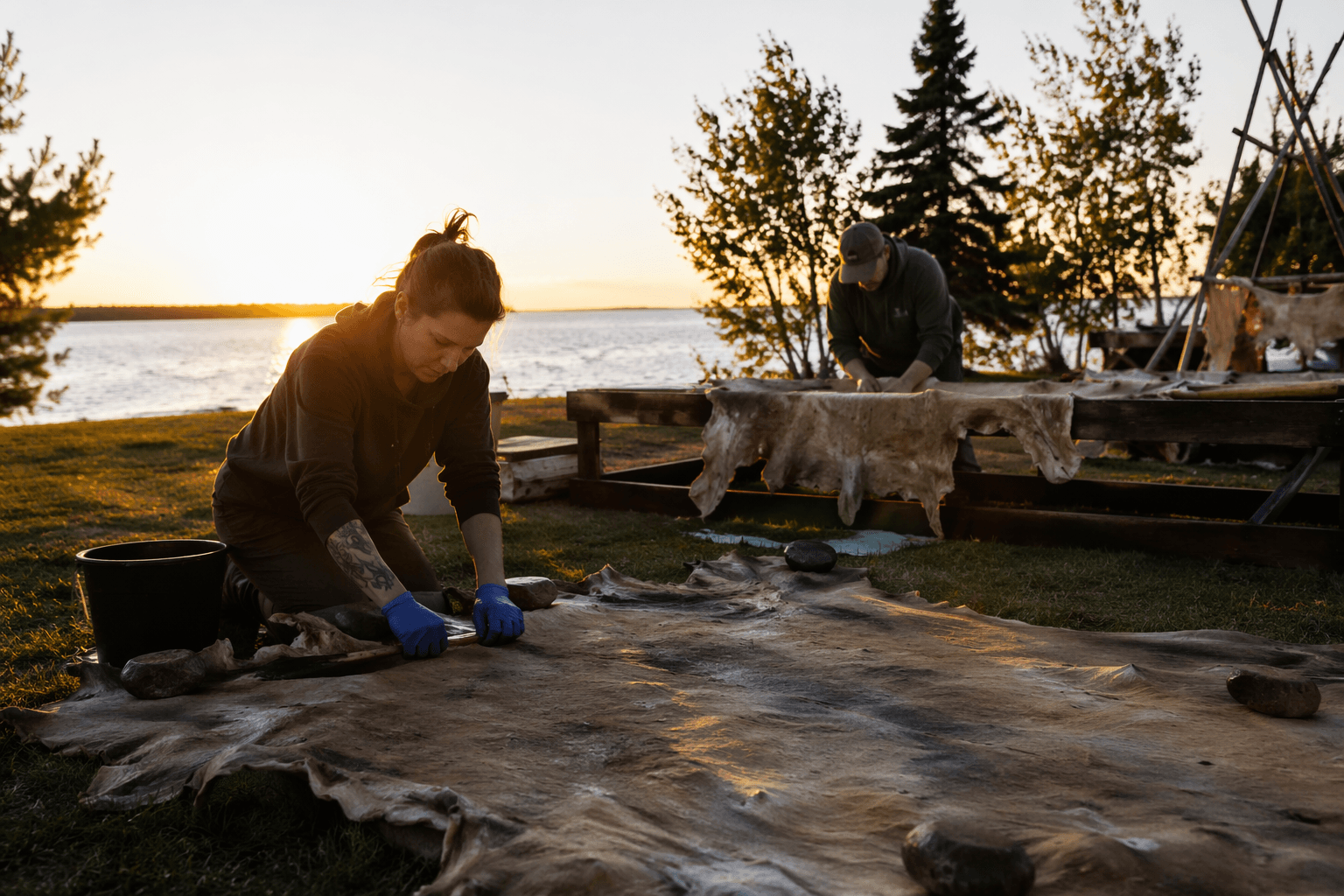
The range of materials covered during the week showed how wide the craft really is. Classes worked with moose hides, beaver tails, fish skins and deer, sheep, cow and goat hides. That variety kept the campus in motion and made the week feel less like a single workshop and more like a cross-cultural exchange of methods, tools and histories.
Among the instructors, Marcie McIntire of Grand Portage, Jean Marshall of Fort Williams First Nation, Nate Johnson of Bemidji and Jeff Harper of Leech Lake helped ground the week in regional knowledge. One of the most notable guest traditions came from Ministikwan Lake Cree Nation, where Darla Campbell, Kevin Lewis and their mother Mathilda Lewis shared moose hide tanning, a practice described as once common in this area. The course description for that work says moose hide tanning holds deep cultural significance in many northern Indigenous communities and requires collective effort from family and community.
The international dimension added another layer. Karl Karlsson of Sweden, whom North House describes as one of a handful of Master Tanners in Sweden, demonstrated European-style bark tanning on fish skins and beaver tails. An Oregon tanner brought an organic tanning approach rooted in chemical process and material science, showing that the week was not nostalgic in tone even when it was deeply traditional. It was a working comparison of systems, with each method carrying its own environmental knowledge and technical demands.
Why the public days mattered
Hide Week was not sealed off to enrolled students. North House opened evening gatherings from May 12 through May 18 to both students and the public, and Friday, May 15, was a free, day-long Hide Week Gathering Day. That open format turned the campus into a public classroom and helped connect the craft to the broader community in Grand Marais and Lake County.
The public-facing programming mattered most when it reached younger eyes and hands. Sawtooth Elementary fifth-graders got to scrape hides and hear Cree songs and stories, a rare chance for local children to encounter Indigenous knowledge as something living and practiced rather than flattened into a lesson plan. That kind of contact builds cultural literacy early, and it gives the school a role that reaches beyond adult craft instruction.
The week also depended on support from the Shakopee Mdewakanton Sioux Community, the Grand Portage Band of Lake Superior Chippewa, staff, instructors and community supporters. That support network is part of the story’s economics as well as its symbolism: cultural preservation does not happen for free, and a week this intensive requires money, labor, expertise and trust from multiple communities.
Why Lake County should care
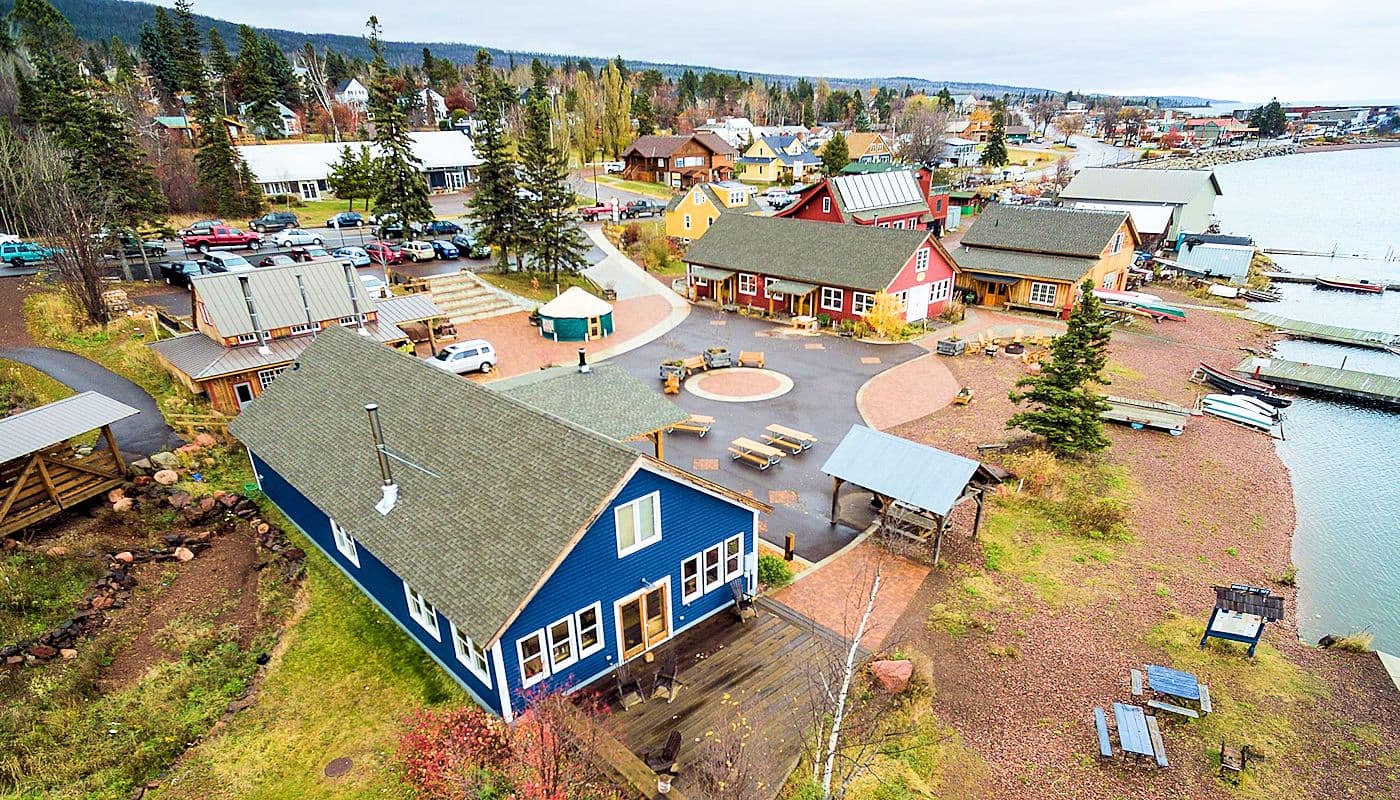
North House is built for exactly this kind of work. Founded in 1997 by local residents committed to traditional craft and cooperative learning, the school now hosts more than 350 classes and about 3,000 students each year. That scale makes it one of the region’s most important educational institutions for craft tourism, and Hide Week shows why it has become an internationally recognized northern crossroads of traditional craft.
The deeper value is that North House turns endangered or hard-to-find knowledge into something visible, teachable and locally useful. In one week, it can bring together instructors from Grand Portage, Fort Williams First Nation, Bemidji, Leech Lake, Ministikwan Lake Cree Nation, Sweden and Oregon, then connect that knowledge to students from across North America and Europe. For Lake County, that is more than a class schedule. It is a cultural economy built around learning, place and the continued survival of skills that once shaped daily life on the North Shore and still help define it now.
This article was produced by Prism’s automated news system from verified source data, official records, and press releases, then run through automated quality and moderation checks before publishing. The system is built and supervised by the people who set the standards it runs under. Read our full AI policy.
Know something we missed? Have a correction or additional information?
Submit a Tip