North Shore Journal Urges Restoring Prescribed Fire in Lake County Forests
North Shore Journal editorial urges restoring prescribed fire to Lake County forests to reduce wildfire risk and strengthen community resilience.
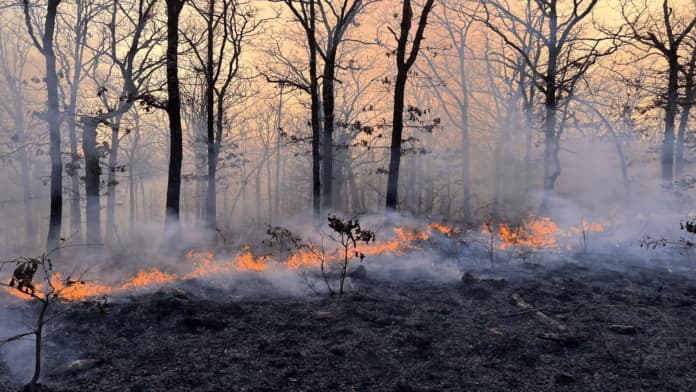
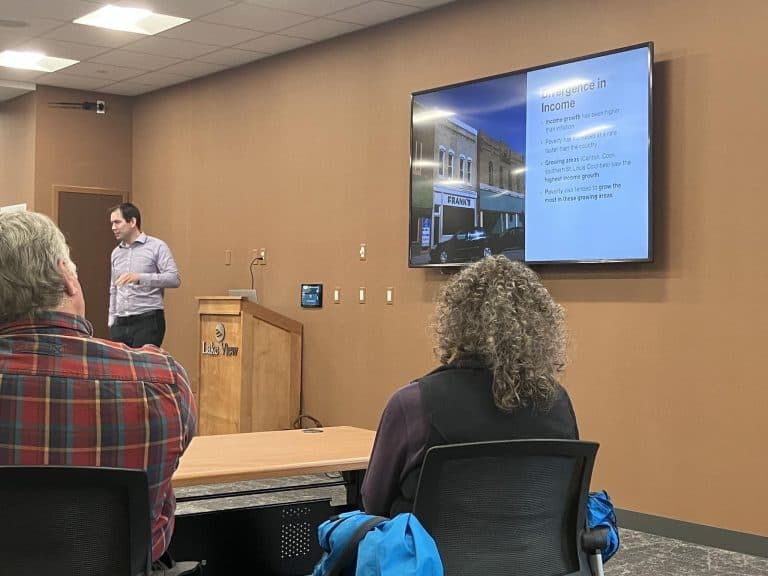
The North Shore Journal published an editorial on Feb. 5, 2026 urging a return to prescribed fire as a core tool for managing Lake County’s northern forests. The piece summarized a recent presentation on the ecological role of fire and argued that reintroducing controlled, low-intensity burns can rebuild resilience in landscapes long altered by suppression policies.
The editorial framed the change as practical risk management. Experts at the presentation explained that fire historically maintained forest structure and species composition in northern ecosystems, and that decades of fire exclusion have increased surface fuels and the likelihood of high-severity wildfires. Restoring periodic, controlled burns can reduce fuel loads, help regenerate fire-adapted plants, and lower the probability that small ignitions turn into catastrophic events that threaten homes and roads.
For Lake County residents, the policy shift matters in several ways. Reduced fuel loads could translate into fewer large conflagrations, lower emergency response costs, and reduced disruption to tourism and recreation that the local economy depends on. Landowners living adjacent to forested state and federal parcels may see changes in vegetation management on nearby hillsides and should expect public outreach and notification before any prescribed burns. Smoke management and public safety will be immediate concerns for residents with respiratory issues and for businesses that rely on clear skies for outdoor activity.
Implementing a restored prescribed-fire program will require coordinated action. Local land managers, county officials, state forestry crews, and volunteer fire districts will need funding for training, equipment, and interagency planning. Burn windows will depend on weather, fuel moisture, and air quality conditions, meaning the program will likely unfold gradually and seasonally rather than at a constant pace. Successful programs elsewhere combine careful planning, community notification, and adaptive monitoring to limit unintended impacts while achieving fuel reduction goals.
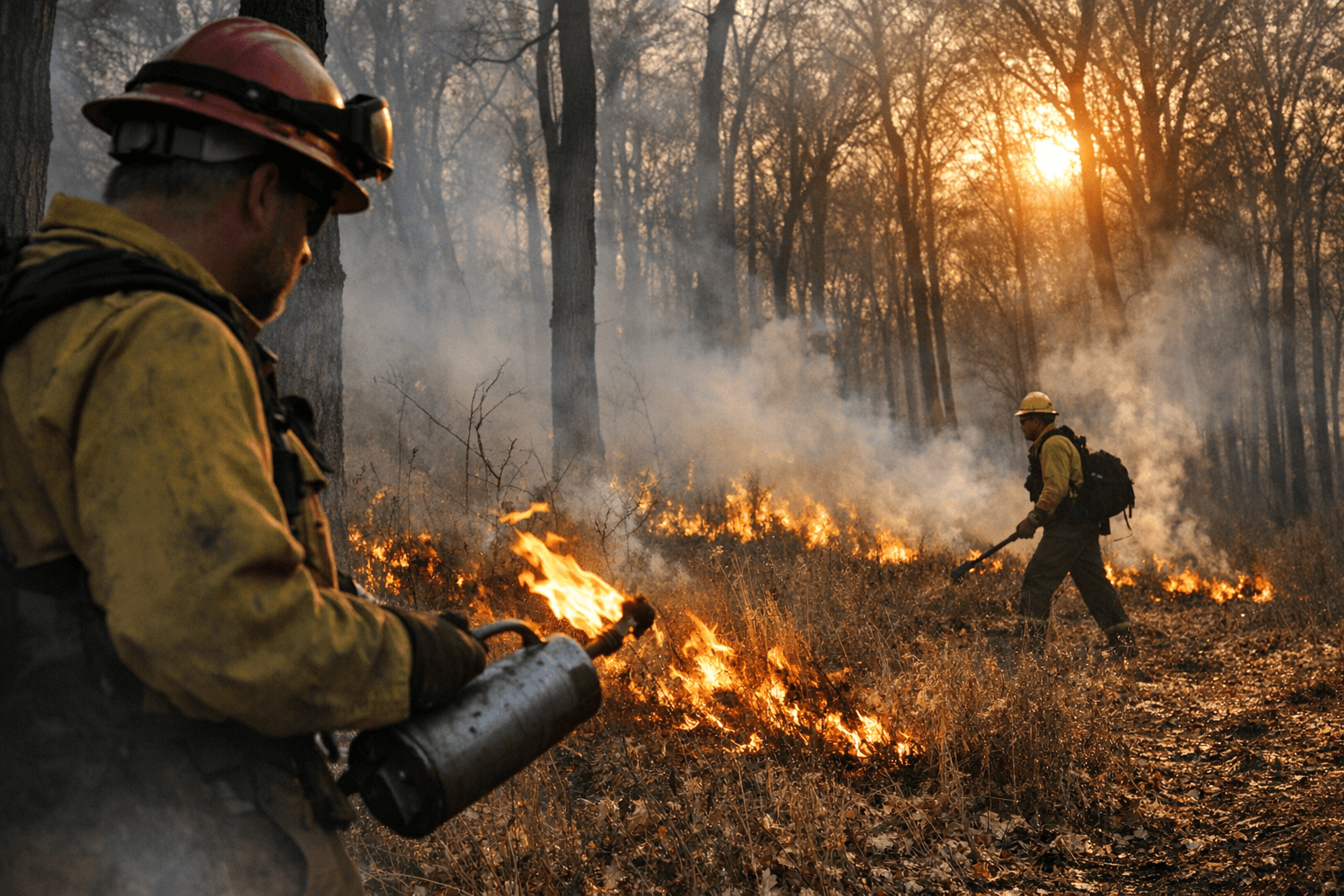
There are also policy implications at the county level. Officials will have to balance liability, permitting, and smoke management rules while seeking grants or budget reallocations for capacity-building. Economically, investments in prescribed fire can reduce long-run suppression costs and protect property values exposed to wildfire risk, but they require upfront spending and clear communication to build public trust.
Restoring prescribed fire in Lake County will not be a single campaign but a shift in how the landscape is managed. Residents should watch for county briefings, planned outreach events, and announcements about controlled burns. If adopted, the approach aims to trade short-term smoke and occasional closures for longer-term reductions in catastrophic wildfire risk and a more resilient forest that supports the county’s homes, recreation economy, and working lands.
This article was produced by Prism’s automated news system from verified source data, official records, and press releases, then run through automated quality and moderation checks before publishing. The system is built and supervised by the people who set the standards it runs under. Read our full AI policy.
Did this article answer your question?