Regan Richardson Leads Effort Uncovering North Shore Black Life Before 1900
Regan Richardson led a community research effort that unearthed records and stories of Black residents on the North Shore before 1900, reshaping local history and planning priorities.
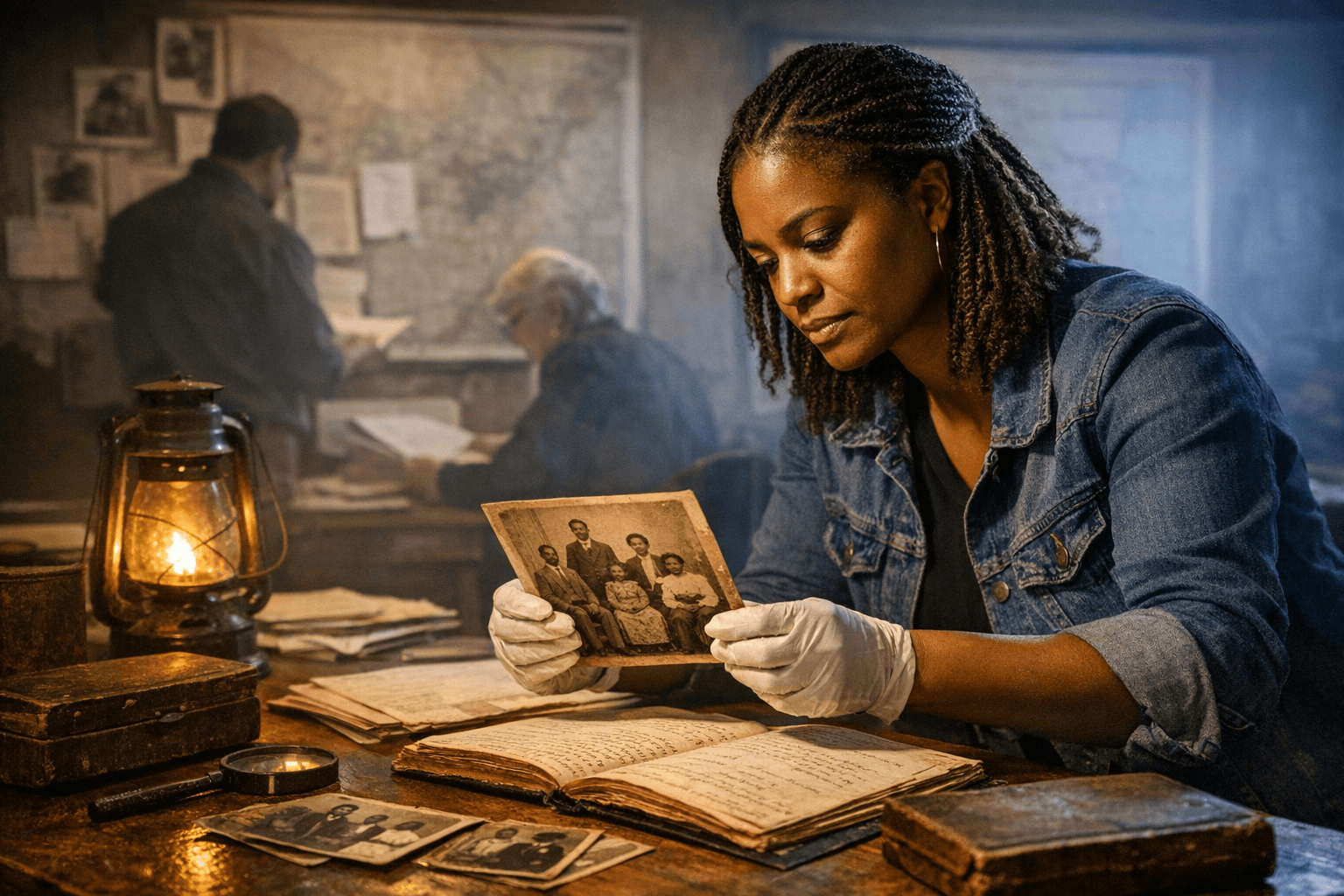
Regan Richardson has led a research effort that brought new visibility to Black life on the North Shore before 1900, revealing people, places and practices long absent from local histories. The work assembled census entries, land deeds, church registers, newspaper notices, probate records and oral histories to map who lived here, where they worked and how they navigated legal and social barriers in the 19th century.
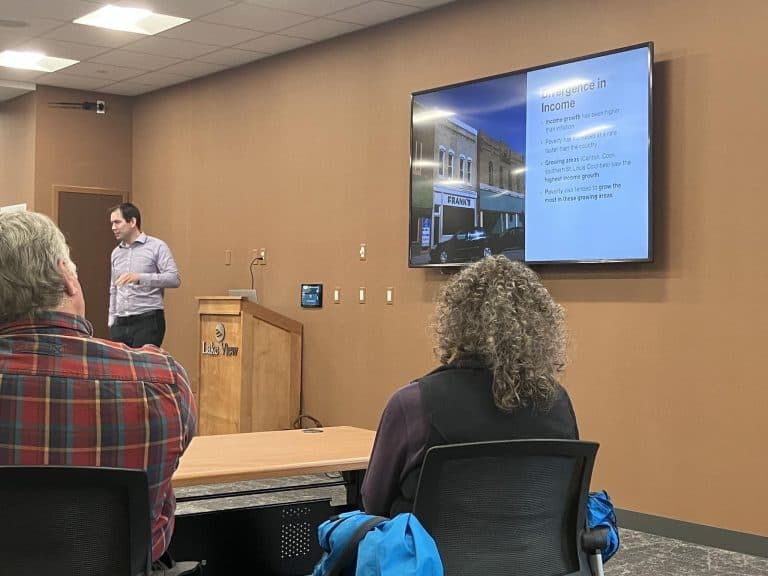
Richardson presented findings to a Lake County audience on February 10, 2026, summarizing documentary traces of Black households, documented property holdings and civic participation across North Shore towns. The research highlights that Black residents were present in the region earlier and in greater numbers than previously recognized, with evidence of homeownership, labor roles in shipbuilding and hospitality, and participation in regional networks that linked Lake County to Great Lakes commerce.
Methodology was painstaking and local in scale. Investigators cross-checked federal and state census schedules with land and probate records to confirm names and family relationships. Church registers and contemporary newspapers helped pinpoint marriages, deaths and migrations, while oral histories supplied context for gaps in the documentary record. The project also flagged discrepancies between maps used for municipal planning and the locations of historically Black properties and burial sites.
The local implications are practical as well as cultural. For Lake County officials and preservation planners, the findings raise questions about how municipal records, zoning decisions and public works have historically obscured or displaced Black sites. Identifying early Black households and cemeteries informs land-use reviews, cemetery preservation priorities and environmental remediation efforts near former industrial and waterfront sites. For public health practitioners, acknowledging these histories connects to social determinants of health: historic exclusion from property and political power shaped patterns of housing, pollution exposure and access to resources that reverberate today.
Community advocates see the research as a starting point for equity-focused policy changes. Richardson’s documentation provides evidence that can support historic markers, inclusion of Black histories in school curricula, and targeted outreach by public agencies to communities affected by historic disinvestment. Local libraries and archives that contributed materials were urged to expand digitization and access so residents, students and municipal staff can use the records in planning and education.
The work also changes how residents understand the North Shore story. Placing named individuals and families into the region’s narrative challenges long-held assumptions about settlement and belonging, offering Lake County a fuller picture of its past and present social fabric.
What comes next is further verification, wider community engagement and translation of archival findings into action. Richardson’s project invites town boards, school districts and public health departments to incorporate the uncovered histories into preservation plans, curricula and equity audits so policy and practice better reflect the diverse roots of the North Shore.
This article was produced by Prism’s automated news system from verified source data, official records, and press releases, then run through automated quality and moderation checks before publishing. The system is built and supervised by the people who set the standards it runs under. Read our full AI policy.
Did this article answer your question?