Superior National Forest lifts Boundary Waters campfire ban June 12
Campfires are again allowed in the Boundary Waters, easing trip planning for paddlers and outfitters even as fire danger remains a live concern across northern Minnesota.
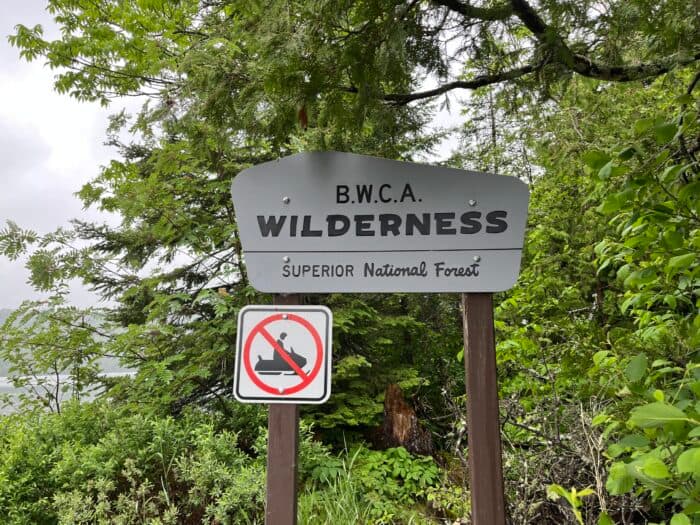
Campfires are back in the Boundary Waters Canoe Area Wilderness, giving paddlers and outfitters one of the season’s most useful tools again just as North Shore trip planning hits its stride. Superior National Forest lifted the emergency campfire ban beginning June 12 after rain and higher humidity dropped fire danger from the high levels that prompted the restriction in the first place.
The forest had issued the order June 4, effective at 12:01 a.m. June 6, and set it to run through June 30 unless rescinded or extended. Under that ban, visitors could not ignite, build, maintain, attend or use a fire or campfire, and charcoal grills, barbeques, coal and woodburning stoves were also off-limits. Gas or propane cook stoves were still allowed, but charcoal- or wood-fueled stoves and grills were not.

For Lake County residents heading toward wilderness access points, the change matters because campfires shape the rhythm of overnight trips. A ban changes what people pack, how outfitters prepare food systems, and how campsites are used after dark. Lifting it means those plans can return to normal in the BWCAW, but only within the updated rules and with the same caution that has governed the North Shore all spring.
The forest said the wildfire threat had been high across all ownerships in northern Minnesota when the ban was imposed. By June 11, conditions had eased enough that managers removed the stricter campfire restriction. Minnesota Department of Natural Resources fire danger maps are updated daily and automatically refresh every five minutes, with low fire danger meaning fires are not easily started and moderate meaning they start easily and spread at a moderate rate.
That risk remains part of the equation for anyone using campsites, trailheads and portages linked to the wilderness economy. The DNR says escaped debris fires are the number one cause of wildfires in Minnesota, a reminder that even when the headline restriction is lifted, ignition sources still deserve close attention. The forest also warned during the ban about smoking devices, dragging chains and recreational vehicles as potential ignition sources.
Superior National Forest says BWCAW regulations are enforceable with a maximum penalty of $5,000 and/or six months in jail. For the businesses and travelers tied to Lake County’s recreation season, the June 12 change opens the door to fuller trip planning, but it does not change the underlying fact that northern Minnesota remains in wildfire season.
This article was produced by Prism’s automated news system from verified source data, official records, and press releases, then run through automated quality and moderation checks before publishing. The system is built and supervised by the people who set the standards it runs under. Read our full AI policy.
Did this article answer your question?