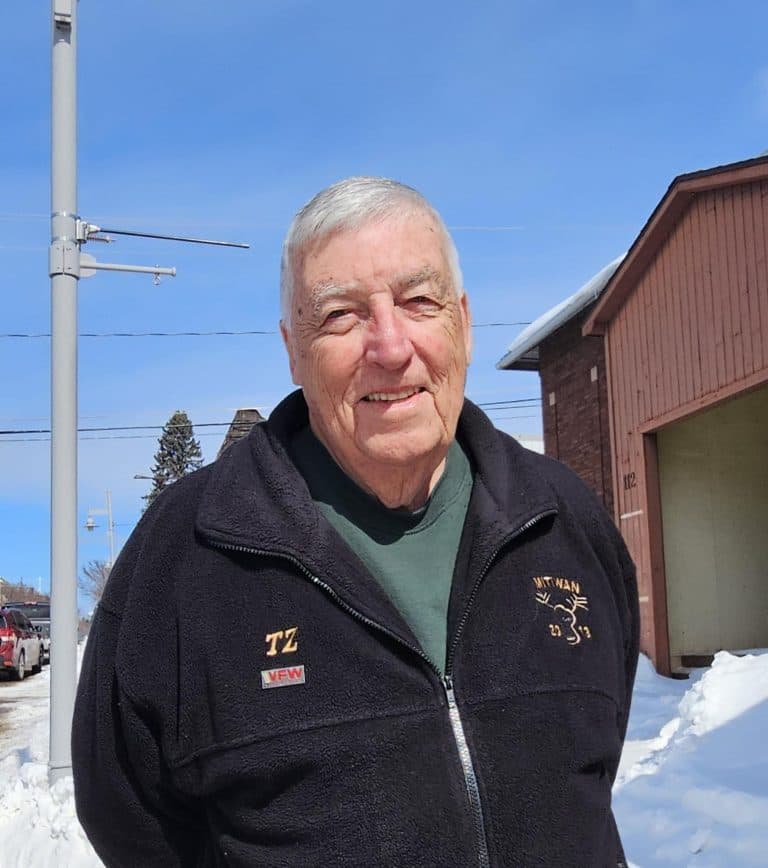
Terry Zimmerman reflects on family and Anishinaabe heritage
Terry Zimmerman’s family-first story shows how Anishinaabe teachings still shape Lake County’s memory, belonging, and everyday community life.
Family first, and passed down at home
Terry Zimmerman, also known as TZ, is introduced through a value that sits at the center of Anishinaabe life: family comes before anything else. That simple idea gives the story its force, because it shows that heritage is not only something remembered, but something practiced every day through kinship, responsibility, and the way children are taught.
Zimmerman’s connection to his Native heritage was learned from family, which makes this more than a personal reflection. It points to how identity is carried across generations in ordinary life, through stories, teachings, and the expectations that shape how a person understands where they come from and how they belong.
Why this matters in Lake County
The Lake County Press placed this interview in its Lifestyle section, which is its own statement about what belongs in the public conversation. Indigenous experience is not treated as separate from the North Shore story here; it is part of the region’s daily cultural memory, and Zimmerman’s perspective helps make that visible.
That matters in Lake County because local identity is often discussed as if it were only about scenery, recreation, or seasonal visitation. A conversation centered on Zimmerman pushes past that narrow frame and reminds readers that the county’s social fabric also rests on Native families, Native memory, and teachings that continue to shape community life. For local readers, the value of the piece is not just in learning about one man’s background, but in recognizing how Anishinaabe perspectives help explain the place they live in now.

Anishinaabe heritage is living history, not a footnote
The broader Minnesota context makes Zimmerman’s story even more significant. The Minnesota Department of Indian Affairs says the Leech Lake Band of Ojibwe is part of the greater Ojibwe or Anishinaabe Nation, and Minnesota has seven Ojibwe reservations. That is a reminder that Native identity in this region is rooted in living tribal nations, not only in historical memory.
State tribal-affairs information also notes that the Leech Lake Band retains language, ceremonies, customs, and beliefs while facing modern issues. That balance is essential to understanding why stories like Zimmerman’s matter: they show continuity in the middle of change. Heritage is not sealed in the past. It survives because families keep teaching it, speaking it, and making room for it in the present.
A deeper regional story about place and belonging
The Minnesota Historical Society says Ojibwe oral history and archaeological records show the Ojibwe moved slowly in small groups following the Great Lakes westward. That history gives context to the Anishinaabe presence across northern Minnesota and helps explain why local Native stories should be read as part of the region’s foundation, not as add-ons to it.
The Mille Lacs Band of Ojibwe says its people have had a 250-year relationship with east-central Minnesota, another reminder that Indigenous presence in the state is both deep and ongoing. When that history is placed beside Zimmerman’s family-centered reflection, the through line becomes clear: memory is not abstract, and belonging is not only tied to maps. It is carried in relatives, in teachings, and in the way communities define what matters most.
What readers can take from Zimmerman’s story now
For Lake County residents, Zimmerman’s reflection offers a practical cultural lesson. It asks readers to see that Anishinaabe values are not distant or ceremonial in a narrow sense, but embedded in everyday life through family, identity, and mutual responsibility. In a county where many stories are told about land, tourism, and change, this one insists that people and relationships are just as central as any place name.
It also broadens how local history should be understood. When Native voices are treated as part of the North Shore’s everyday conversation, the county’s public memory becomes more accurate, more inclusive, and more honest about who has shaped the region across generations. Zimmerman’s story does exactly that: it centers family, and in doing so, it helps Lake County understand itself more clearly.
This article was produced by Prism’s automated news system from verified source data, official records, and press releases, then run through automated quality and moderation checks before publishing. The system is built and supervised by the people who set the standards it runs under. Read our full AI policy.
Did this article answer your question?