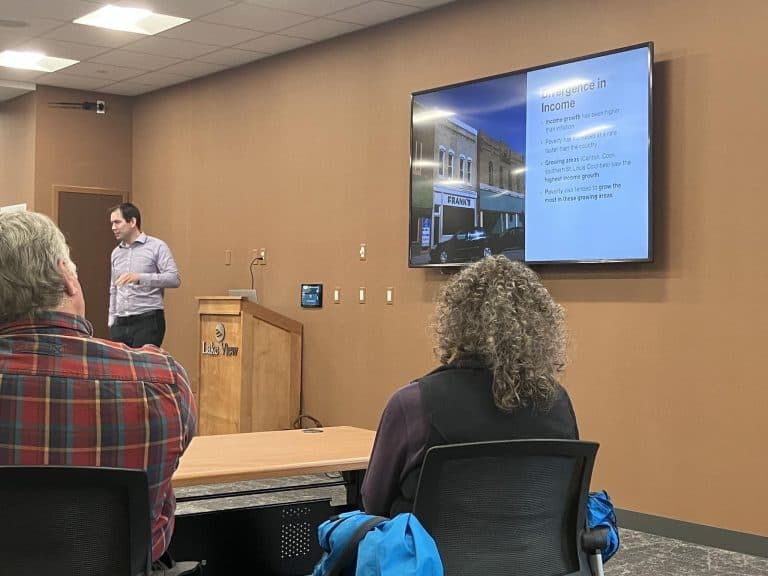
Tettegouche talk spotlights Powwow Trail restoration after Pagami Fire damage
The Powwow Trail came back after the Pagami Fire, but storms and deadfall still keep it a work in progress. A Tettegouche talk traced the volunteer rebuild and what reopened access now means.
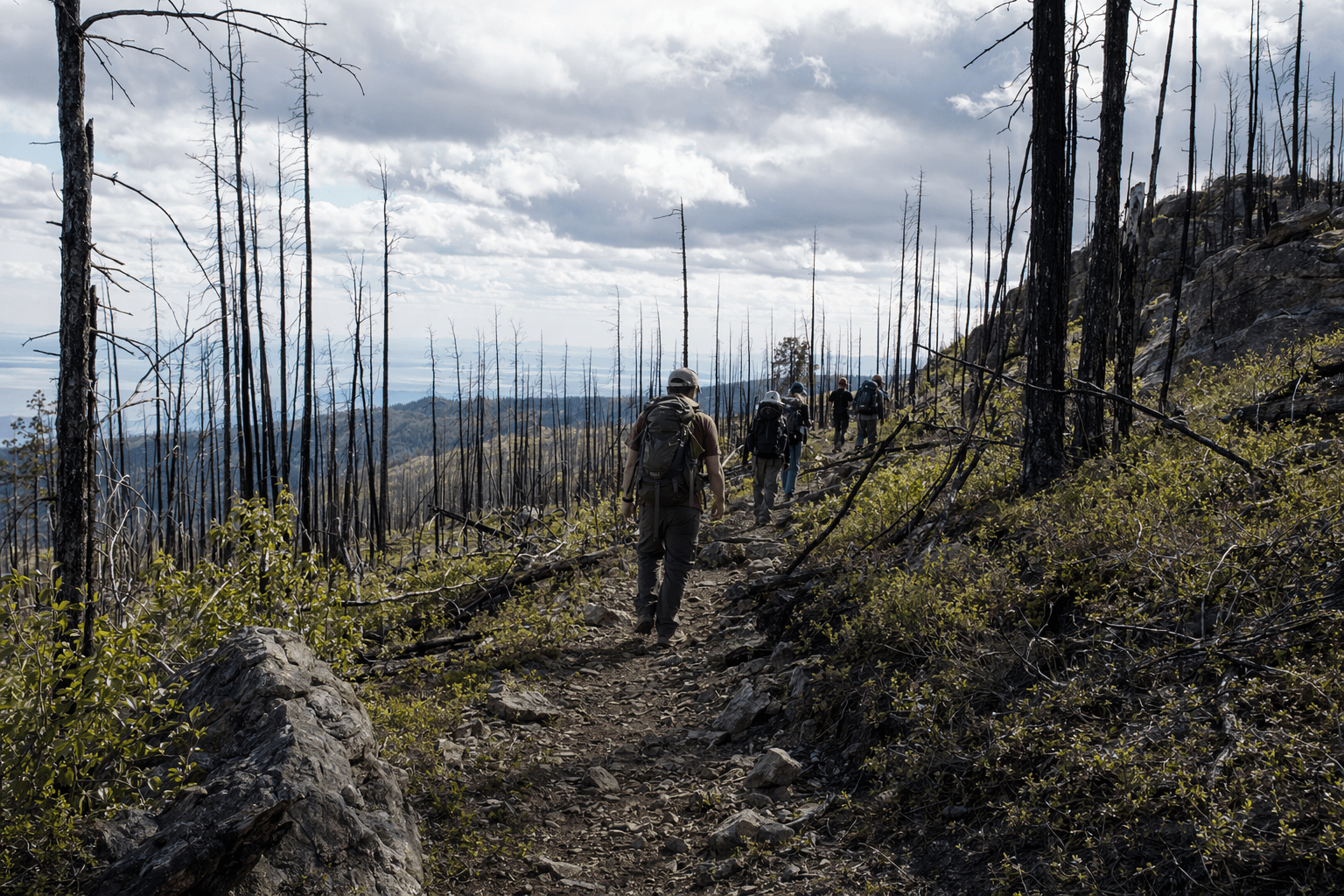
The Powwow Trail is back on the map, but its return came only after a restoration effort measured in years, not weekends. At Tettegouche State Park in Silver Bay, Tiffanie Ellis and Martin Kubik outlined how the route was rebuilt after the 2011 Pagami Creek fire burned through more than 95% of its corridor and left campsites wrecked, trees toppled and the path buried under deadfall.
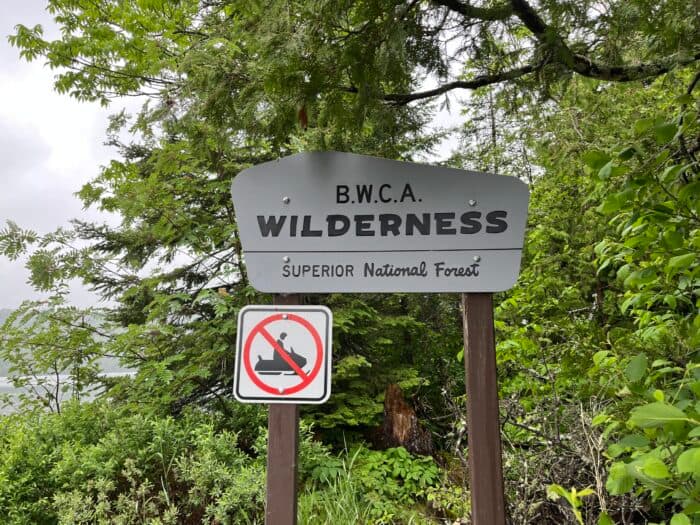
The trail itself is a lollipop route, with a 3-mile out-and-back stem leading into a 25-mile loop at Boundary Waters Canoe Area Wilderness Entry Point 86, also known as the Isabella Lake/Powwow Trail entry point. It was established under the 1978 law creating the BWCA Wilderness, and Boundary Waters Advisory Committee materials place construction in 1979, while another committee timeline says work began in 1981. Either way, the route took shape as a wilderness link between old logging roads and backpacking country north of the Twin Cities.
The fire that forced the rebuild began with a lightning strike about 13 miles east of Ely on Aug. 18, 2011, the U.S. Forest Service said. It smoldered in a bog before spreading through the Boundary Waters Canoe Area Wilderness and burning roughly 92,000 acres. The restoration that followed required retracing and flagging the trail, cutting and removing deadfalls, clearing campsites, installing new latrines and dedicating a new entry-point kiosk at the Forest Center.
Kubik, who helped lead much of the work, has been tied to the Kekekabic Trail Club, the 3M Outdoor Club and the Boundary Waters Advisory Committee. Ellis, a middle school teacher in Duluth and co-founder of Boundary Waters Heritage Trails, also has logged multiple volunteer trail-clearing trips. Together, they described a project that depended on hundreds of thousands of volunteer hours overall, including nearly 13,000 hours of trail-clearing work in the most recent year cited by the committee.
The payoff is practical as well as symbolic. Boundary Waters Heritage Trails says hikers can now backpack the Powwow Trail in three days, and some have finished the 30-mile route in a single day. Restored campsites now include fire grates, latrines and hazard-tree clearing, giving the trail a level of usability it did not have for years. Even so, the route remains vulnerable: storms still bring down dead trees, creating fresh maintenance needs each season. For Silver Bay, the North Shore and the outfitters and visitors who depend on wilderness access, the Powwow Trail’s reopening is not a finish line. It is a restored connection that will keep demanding attention.
This article was produced by Prism’s automated news system from verified source data, official records, and press releases, then run through automated quality and moderation checks before publishing. The system is built and supervised by the people who set the standards it runs under. Read our full AI policy.
Did this article answer your question?