Two Harbors council weighs Agate Bay land transfer, street work, fire spending
Agate Bay’s shoreline control could shape access, development and public projects in Two Harbors, putting a long-awaited land transfer at the center of council action.
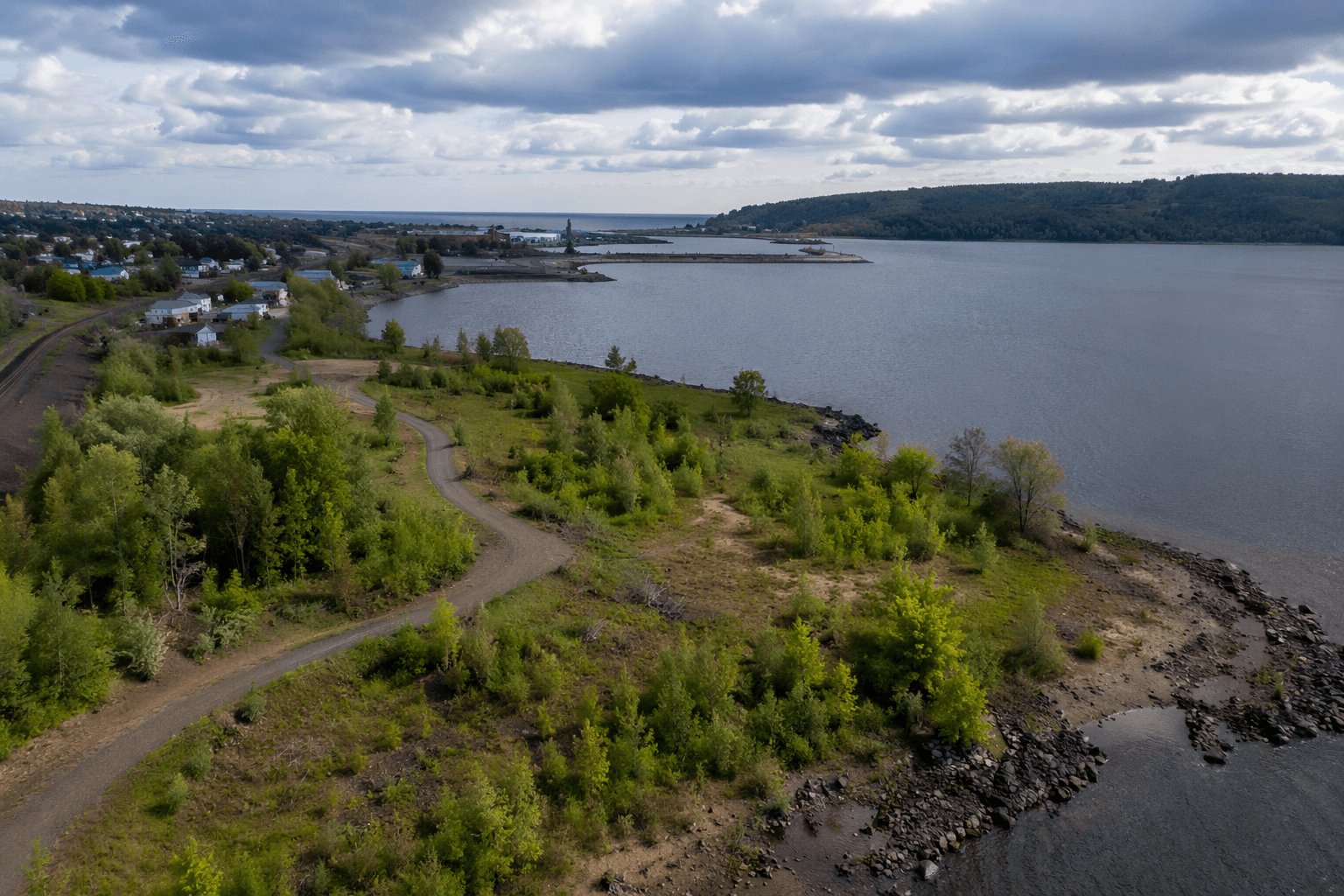
Control of land at Agate Bay could decide more than who holds the deed. It could influence how Two Harbors manages public access, redevelopment, maintenance and future projects along the Lake Superior shoreline, making the state land conveyance the most consequential item before the City Council on June 8.
The transfer sits at the intersection of shoreline ownership and the city’s economic future. Agate Bay has long been tied to tourism, harbor use and Two Harbors’ identity as a Lake Superior community, so any change in control could affect private development proposals, future public improvements and even grant eligibility. For residents, the issue is not abstract: what happens at the waterfront can shape how easily people reach the lake and how the city plans for the next round of investment there.
That is why the conveyance drew the most attention on an agenda that also included street project updates and wildfire-related spending. The mix showed a familiar pattern for a North Shore council: land use, public safety and infrastructure all came to the table at once. Street work remained part of the city’s basic maintenance obligations, while the wildfire equipment purchases reflected how local governments in Lake County have been adjusting to heightened fire awareness after recent North Shore fire activity.
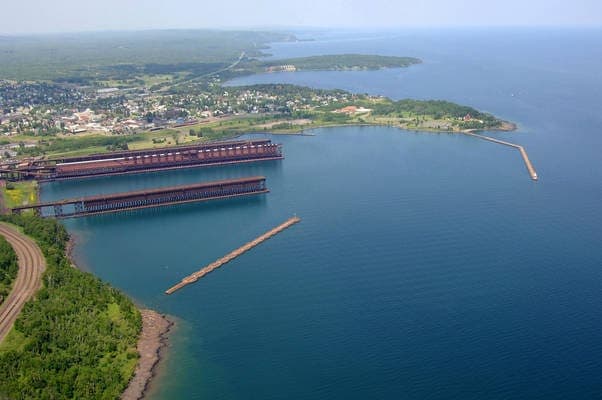
The agenda also underscored the practical pressure facing Two Harbors as it balances downtown, waterfront and corridor needs. Agate Bay is not just a scenic stretch of shoreline. It is a place where decisions about ownership can affect access, harbor use and the long-term shape of one of the city’s most visible public spaces. A transfer there can set the terms for future planning long after the council vote itself.

Even in a small city council meeting, the stakes were clear. The land conveyance was a technical item, but its consequences could be visible for years in the way Two Harbors develops its waterfront, funds public projects and manages the shoreline that defines so much of the city’s future.
This article was produced by Prism’s automated news system from verified source data, official records, and press releases, then run through automated quality and moderation checks before publishing. The system is built and supervised by the people who set the standards it runs under. Read our full AI policy.
Did this article answer your question?