Two Harbors council weighs bond sale, utility rate study for 2026 projects
Two Harbors is set to finance road and watermain work with a $2.46 million bond sale, while a rate study points to pressure on water and stormwater bills.

Two Harbors is lining up financing for road and watermain work already under way, and the next decisions could affect how much residents pay for water service and future utility work. At the June 8 council meeting, Todd Hagen of Ehlers & Associates walked through the city’s 2026A bond sale and a utility rate study covering water and storm water.
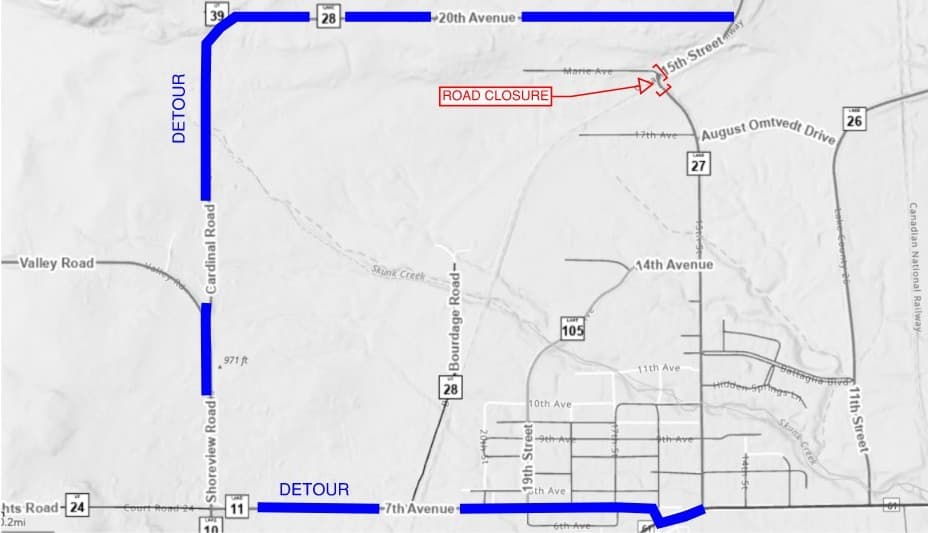
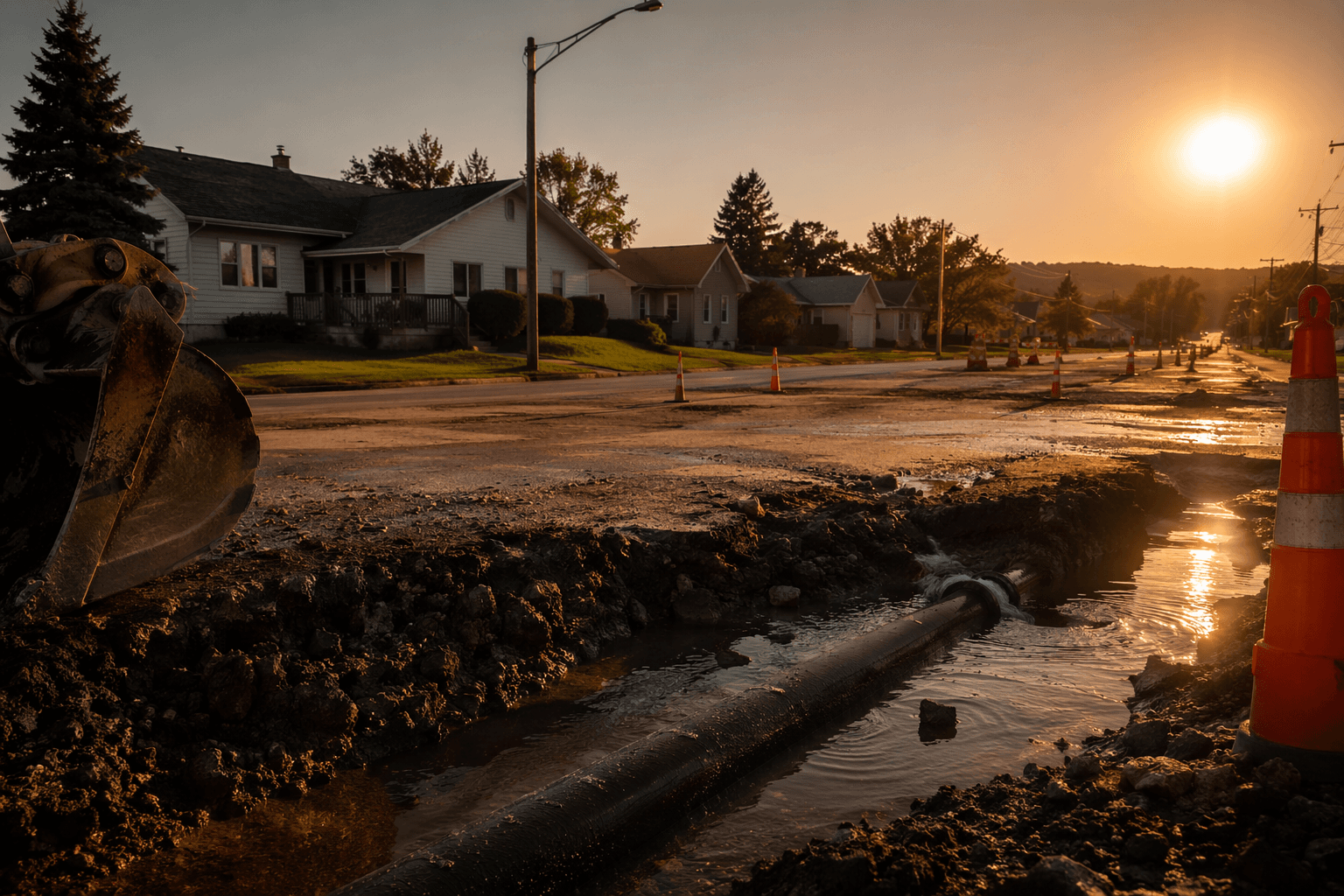
The bond package is tied to projects residents can see and drive on, including Lighthouse Point Road, 15th Street and Alley, and the 4th Street Watermain Project. The sale was listed at $2,460,000 in General Obligation Water and Sewer Revenue Bonds, Series 2026A, with maturities running from 2028 to 2042. The city had originally been scheduled to sell the bonds on May 26, but that timing was pushed back until June 8, a delay Hagen said ultimately helped because the market had little competition and several bidders when the bonds went out.
Two Harbors also entered the sale with a strong credit backdrop. The city kept its AA- rating, and the bonds were backed by the State of Minnesota’s AAA general obligation guarantee, which can reduce borrowing costs and blunt some of the pressure on local taxpayers. Hagen said proceeds were expected to begin funding projects on June 25, giving the city a near-term cash flow for work that had already been approved and planned.
That financing followed an April 27 council action, when members approved bids from Utility Systems of America, Inc. for the 4th Street and 15th Street and Alley watermain replacement projects. City Engineer Brotzler said the 4th Street job cost more in part because the city had to maintain water service to the hospital during construction. Grants had already covered other pieces of the project, leaving about $3.5 million to borrow for the remaining water and sanitary sewer work.
Hagen’s utility-rate presentation pointed to the harder question still ahead: how the city will pay for the systems once the construction is done. Using 12 months of 2024 billing data, Ehlers assumed 3% annual expense growth and 1% interest income. Hagen said the water utility’s base fee now covers about 42% of fixed costs, far short of the level Ehlers recommends. The target he outlined was 71.3% of fixed costs, along with reserves equal to at least six months of operating expenses.
For Two Harbors, the message was plain. The city has already moved into the next phase of road and water infrastructure, but the financing structure and utility rate decisions will determine whether those projects stay manageable for homeowners, businesses and utility users over the years ahead.
This article was produced by Prism’s automated news system from verified source data, official records, and press releases, then run through automated quality and moderation checks before publishing. The system is built and supervised by the people who set the standards it runs under. Read our full AI policy.
Did this article answer your question?