Zeleznikar: State spending choices could raise local tax burdens
St. Paul’s budget choices are showing up in Lake County’s tax pressure. Zeleznikar says the cost lands on schools, cities, and homeowners when state promises outrun funding.
Budget swings that changed the argument
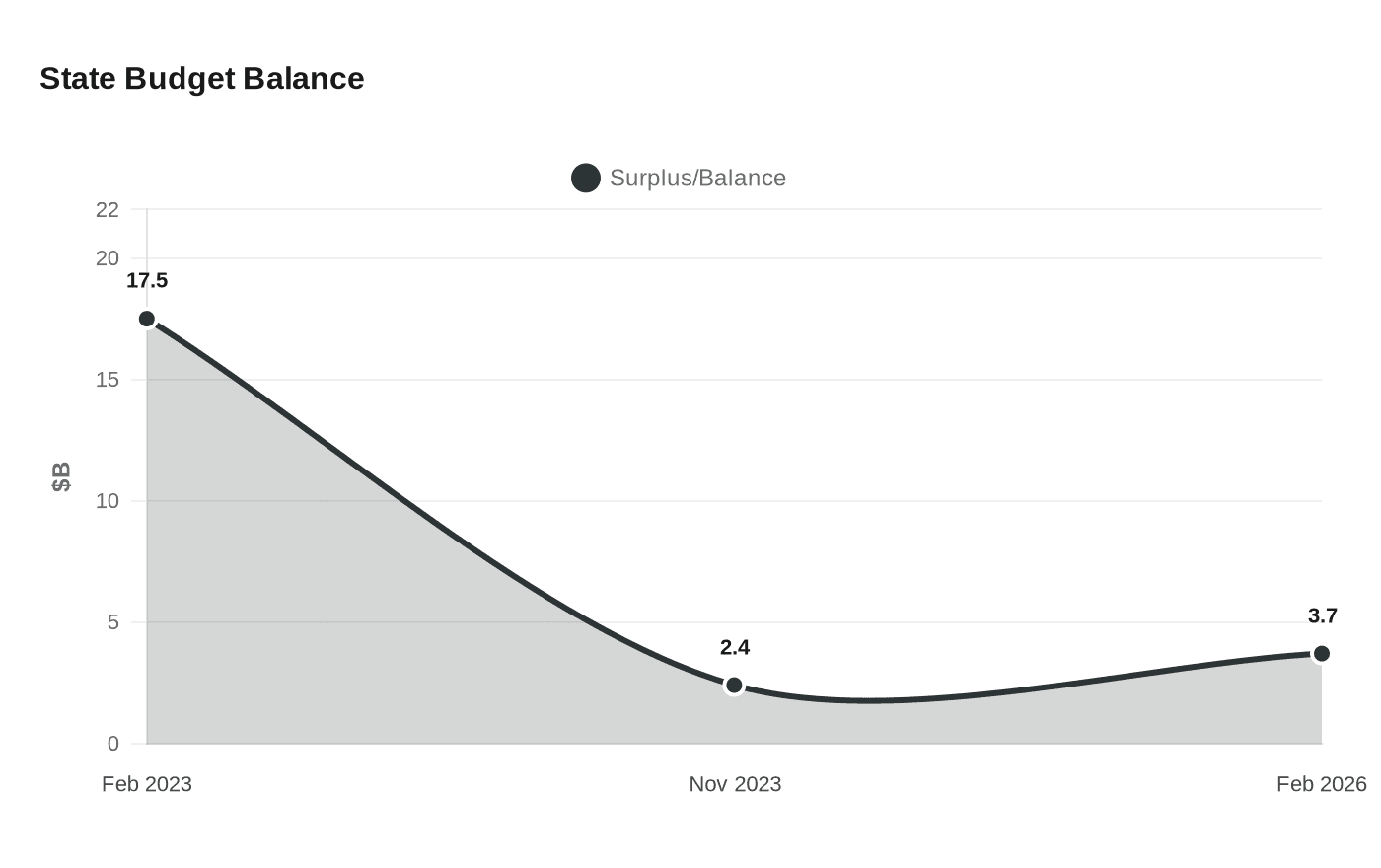
St. Paul’s budget choices have a way of reaching Lake County through school levies, city taxes, and county budgets. Rep. Natalie Zeleznikar’s warning is that the state has been spending as if the good times will last forever, even as the budget picture has shifted sharply in a short span.
That matters because the numbers have not stayed still. Minnesota Management and Budget described the surplus as $17.5 billion in February 2023, then projected a $2.4 billion surplus for fiscal year 2024-25 in November 2023, and later projected a $3.7 billion budget balance for fiscal year 2026-27 in February 2026. For local governments, that kind of swing is more than a Capitol statistic: it is the difference between a state that can help pay for mandates and a state that leaves counties, cities, and schools to cover the gap.
Zeleznikar’s column is aimed at House District 3B, which includes Two Harbors, Hermantown, Proctor, Gary-New Duluth, Rice Lake, and surrounding townships. That gives the argument a direct North Shore audience, especially in communities where property taxes, municipal utility bills, and school budgets are already under pressure.
The spending choices she says are driving the bill
Her critique centers on a list of state decisions that she says were sold as investments but may function as long-term obligations. She points to a new State Office Building in St. Paul, the proposed Northern Lights Express train to Duluth, universal free meals for K-12 students, summer unemployment benefits for school employees, paid family leave, a large non-profit grant program, and the creation of a new Department of Cannabis.
Taken together, those items are not just a snapshot of spending. They represent the kind of policy architecture that can keep generating costs long after the initial debate fades. That is the core of Zeleznikar’s warning: once a benefit becomes a program, the next budget has to keep funding it or local taxpayers may be asked to pick up the slack.
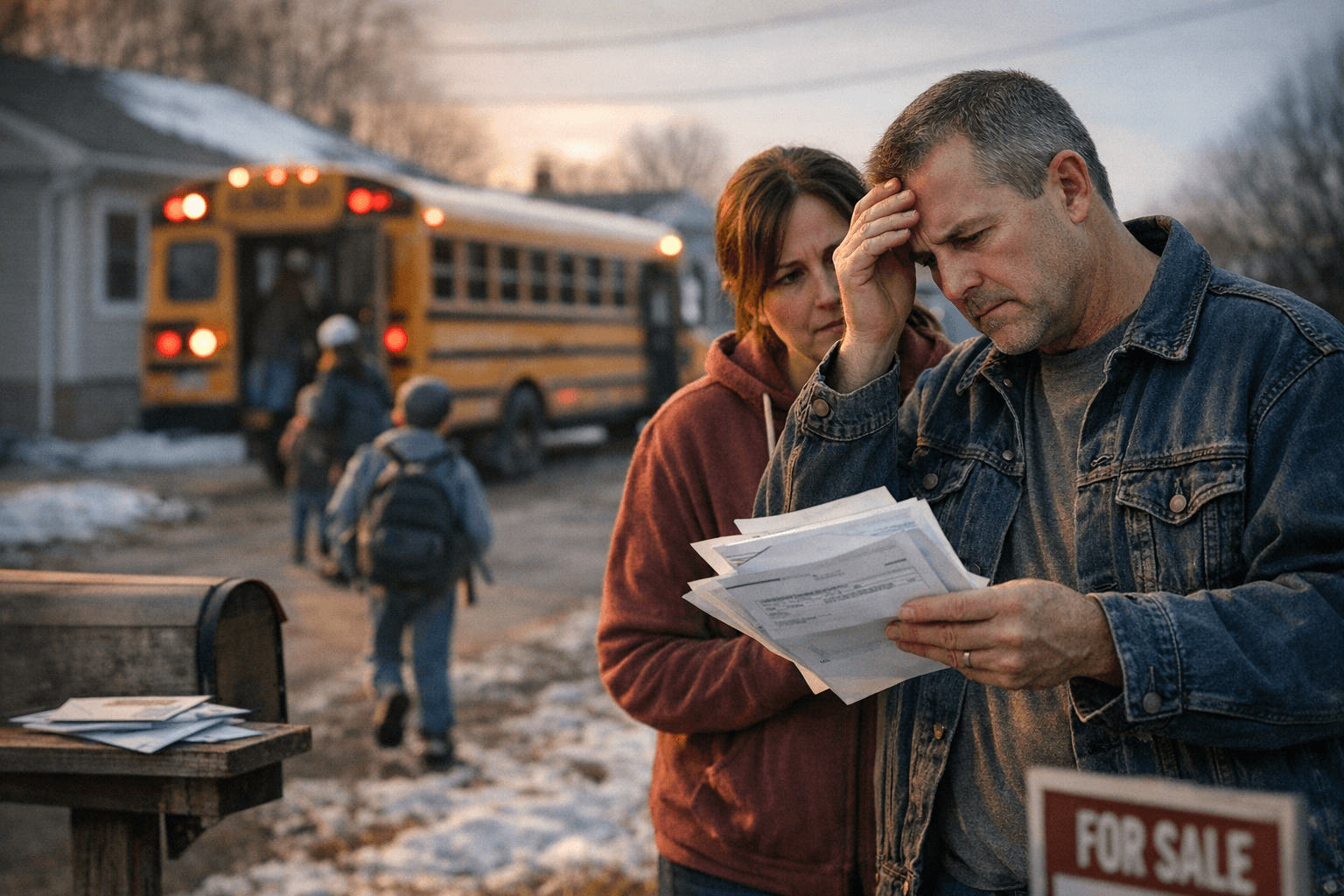
The most direct pressure point for Lake County is how these state decisions interact with local property taxes. County boards, city councils, and school boards still rely heavily on the local levy to fund core services. When the state creates new expectations without fully covering them, the practical choice often becomes higher taxes or fewer services.
Where the numbers support her case
Several of the programs Zeleznikar highlights do create recurring obligations, and the state’s own materials back that up.
Minnesota’s universal no-cost school meals law took effect July 1, 2023, and guarantees a free breakfast and lunch every school day for K-12 students. The Legislature appropriated nearly $450 million in state aid for the 2024-25 biennium, and the Minnesota Department of Education says the program is available in school districts, charter schools, and nonpublic schools across the state. That is a clear example of a permanent state commitment, not a one-time surplus use.
The same is true, in different form, for summer unemployment coverage for school workers. The 2023 Legislature appropriated $135 million to reimburse districts for summer unemployment insurance for hourly school employees. Legislative materials now say that money covered the 2023 and 2024 summer claims and will only partially cover 2025, which means districts could face new pressure unless additional appropriations follow. Zeleznikar’s concern that state mandates can spill into local budgets is hard to dismiss here, because the program’s funding is already not fully matched to its future cost.
Paid leave also fits her larger argument about permanent obligations. Minnesota Paid Leave begins January 1, 2026, is administered by the Department of Employment and Economic Development, and provides paid, job-protected time off for bonding with a new child or caring for a family member. Supporters see it as a worker protection. Critics see a new statewide commitment that will require ongoing administration and financing.
Cannabis legalization adds another layer. Minnesota’s 2023 law made the state the 23rd to legalize adult-use cannabis and created the Office of Cannabis Management to license, inspect, and regulate the industry. It also established a social-equity framework and grants and loans for people entering the market. Even if the policy goal is to build a legal market, the state is also building a new bureaucracy to run it.
The rail proposal she cites is similarly large in scale. The Northern Lights Express would be a 152-mile passenger line between Minneapolis-St. Paul and Duluth, with full project costs estimated at up to $974 million. Earlier reporting tied the project to nearly $800 million in federal funding and railroad cooperation. That is the sort of megaproject that can sound distant in St. Paul, but for taxpayers it represents a major commitment of public dollars.
Where her argument gets weaker
The rebate example is more complicated, and this is where the evidence undercuts part of the political story.
The one-time Minnesota tax rebate program was designed for 2.4 million payments. The Department of Revenue later said nearly 2.1 million direct deposits and paper checks were sent, returning nearly $1 billion to eligible taxpayers. The department said the first payments went out August 16, 2023, and the final batch of checks was mailed September 27, 2023.
That means the program did send out a large amount of money, but it did not match the biggest expectations that shaped the public debate. Many recipients received roughly $260, not the larger checks that were widely implied in the political messaging around the surplus. So while Zeleznikar is right to use the rebate fight as an example of how state promises can oversell the final result, the numbers also show that the state did return a sizable sum to taxpayers.
What Lake County should watch next
For Lake County, the practical question is not whether every state program is good or bad. It is whether the state is paying for its choices in a way that prevents those choices from landing on local tax bills.
- If state aid falls short, school districts can face staffing cuts, postponed programs, or higher local levies.
- If counties absorb more unfunded costs, property owners can see the pressure in annual budgets and levy decisions.
- If cities have to cover more services locally, residents feel it in utility rates, fees, and taxes.
- If new state programs continue without stable funding, the gap often shows up in the places least able to absorb it: rural communities and older homeowners.
That is why Zeleznikar’s column is more than partisan messaging. It is an argument about fiscal chain reaction. In Lake County, where households already balance rising costs against limited local revenue, the state budget is not far away at all. It reaches the levy, the school budget, and the services people notice when they open the mailbox or pay the bill.
This article was produced by Prism’s automated news system from verified source data, official records, and press releases, then run through automated quality and moderation checks before publishing. The system is built and supervised by the people who set the standards it runs under. Read our full AI policy.
Did this article answer your question?