At Eugene Roundtable, Wyden Warns Premium Hikes, Cuts Threaten Care
Sen. Ron Wyden warned that rising premiums and federal funding cuts are straining Lane County health care, threatening access to reproductive and other essential services.

Sen. Ron Wyden warned that rising insurance premiums and cuts to federal supports are putting health care access at risk across Lane County, with particular strain on reproductive services and rural providers. The comments came during a Jan. 21 roundtable in Eugene with county health officials and Planned Parenthood leaders who outlined revenue shortfalls and access pressures facing clinics and hospitals.
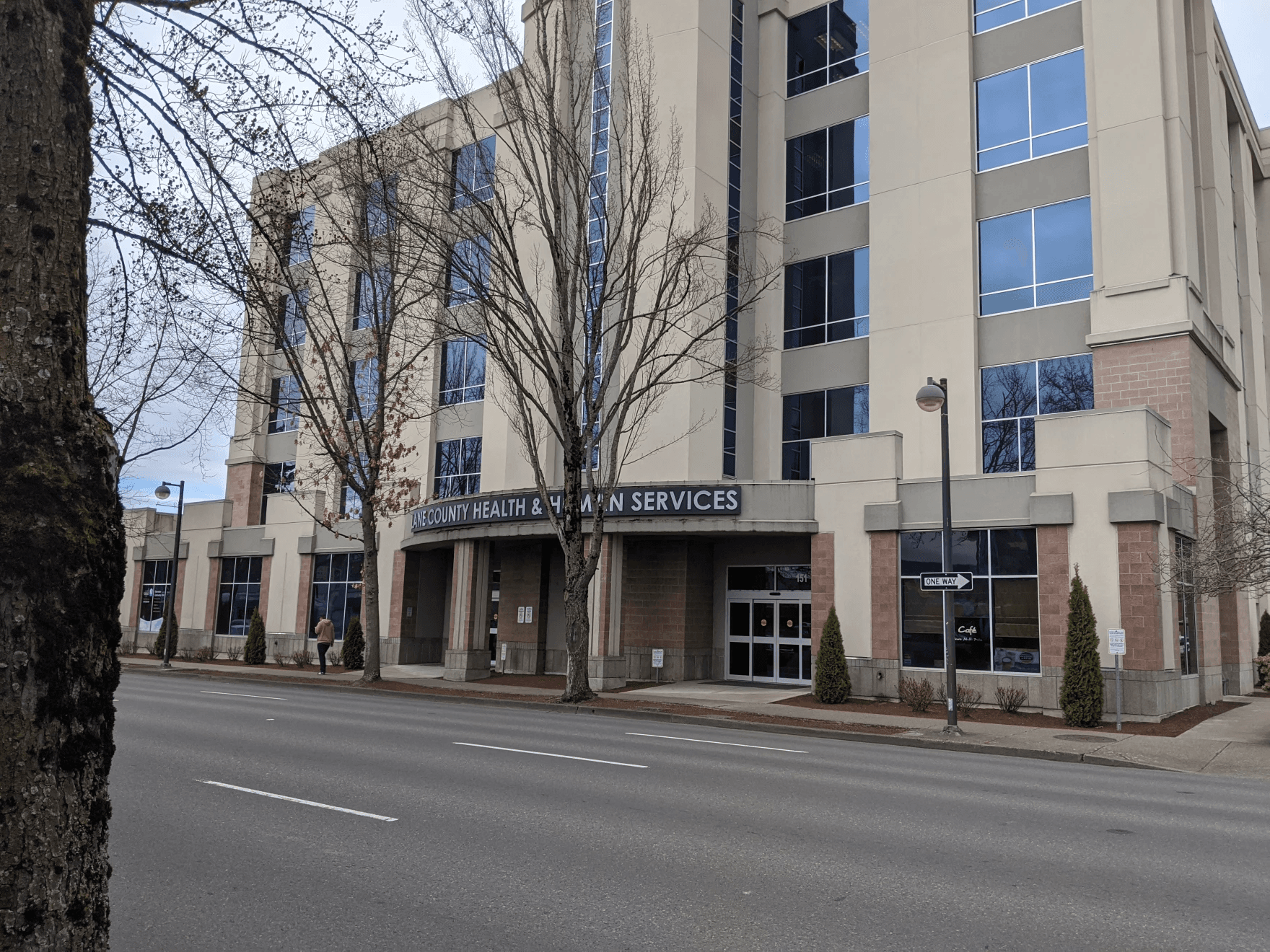
Lane County Health & Human Services staff described tighter budgets and the downstream effects on clinic capacity, while Planned Parenthood leaders highlighted reimbursement restrictions and policy changes that have reduced funding for reproductive care. Wyden connected those local impacts to recent federal policy shifts and said reining in big pharma and insurers and restoring certain supports were central elements of his agenda to stabilize coverage and provider payments.
The roundtable framed several intersecting problems: insurance premium increases that make care less affordable for working families, cuts to reimbursements that weaken safety-net providers, and a shrinking roster of rural clinicians that forces patients to travel farther for care. Hospital and clinic funding stresses in Lane County mean slower expansions of services, deferred investments in staffing and technology, and the potential narrowing of services that Medicaid and low-income patients rely on most.
For Eugene and neighboring communities such as Springfield and Cottage Grove, the immediate consequences are practical. Patients already navigating limited specialty care in rural stretches of the county may face longer drives and longer wait times, while community clinics that serve low-income and uninsured residents may be forced to reduce hours or services. Planned Parenthood clinics, which provide a range of reproductive and primary care services, reported constraint from reimbursement limits that further complicate staffing and scheduling.
Wyden presented federal-level remedies as a way to blunt these local trends. He emphasized targeting profiteering by pharmaceutical companies and insurers and restoring supports that shore up provider reimbursements. County leaders at the roundtable stressed that federal action matters at the clinic level: stable reimbursements and affordable premiums translate directly into sustained services for patients and predictable budgets for providers.
The policy discussion in Eugene is part of a broader conversation about health equity in Oregon. Advocates and health officials at the meeting framed the issue not only in fiscal terms but as a question of who can access timely reproductive, behavioral and primary care without undue burden. For Lane County residents, that means watching how proposed federal measures affect premiums and provider payments in the months ahead.
Wyden and local officials left the roundtable with a shared warning: without intervention, the combination of premium hikes and funding cuts will erode access to care. Residents can expect follow-up discussions at the county level and in Congress, and should monitor Lane County Health & Human Services and local clinics for updates on service changes and community planning.
This article was produced by Prism’s automated news system from verified source data, official records, and press releases, then run through automated quality and moderation checks before publishing. The system is built and supervised by the people who set the standards it runs under. Read our full AI policy.
Did this article answer your question?