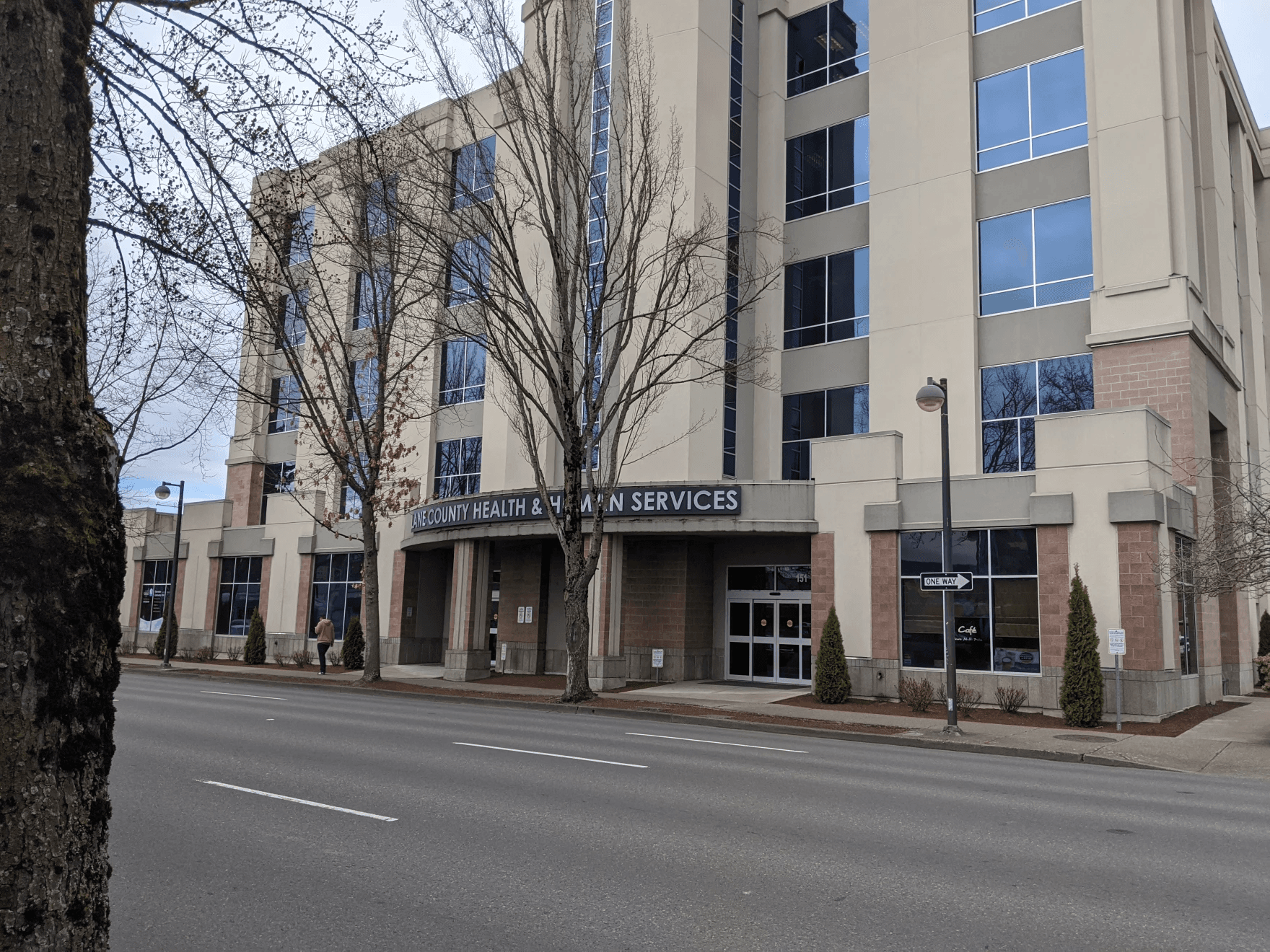
Lane County deputies negotiate teen down from LCC rooftop crisis
Deputies talked a Lane Community College student down from a rooftop in Eugene, ending a more than 20-minute crisis without injuries and underscoring Lane County’s response network.

Lane County deputies and campus responders talked a juvenile down from a Lane Community College rooftop in Eugene on May 13, ending a mental health crisis without injuries after more than 20 minutes of negotiation.
Deputies were called around 4 p.m. after family members reported the young person was on top of a building at the LCC campus. Two of the responding deputies were members of the Lane County Sheriff’s Crisis Negotiation Team, and they worked to build rapport while other deputies gathered information from the family about what may have triggered the incident.
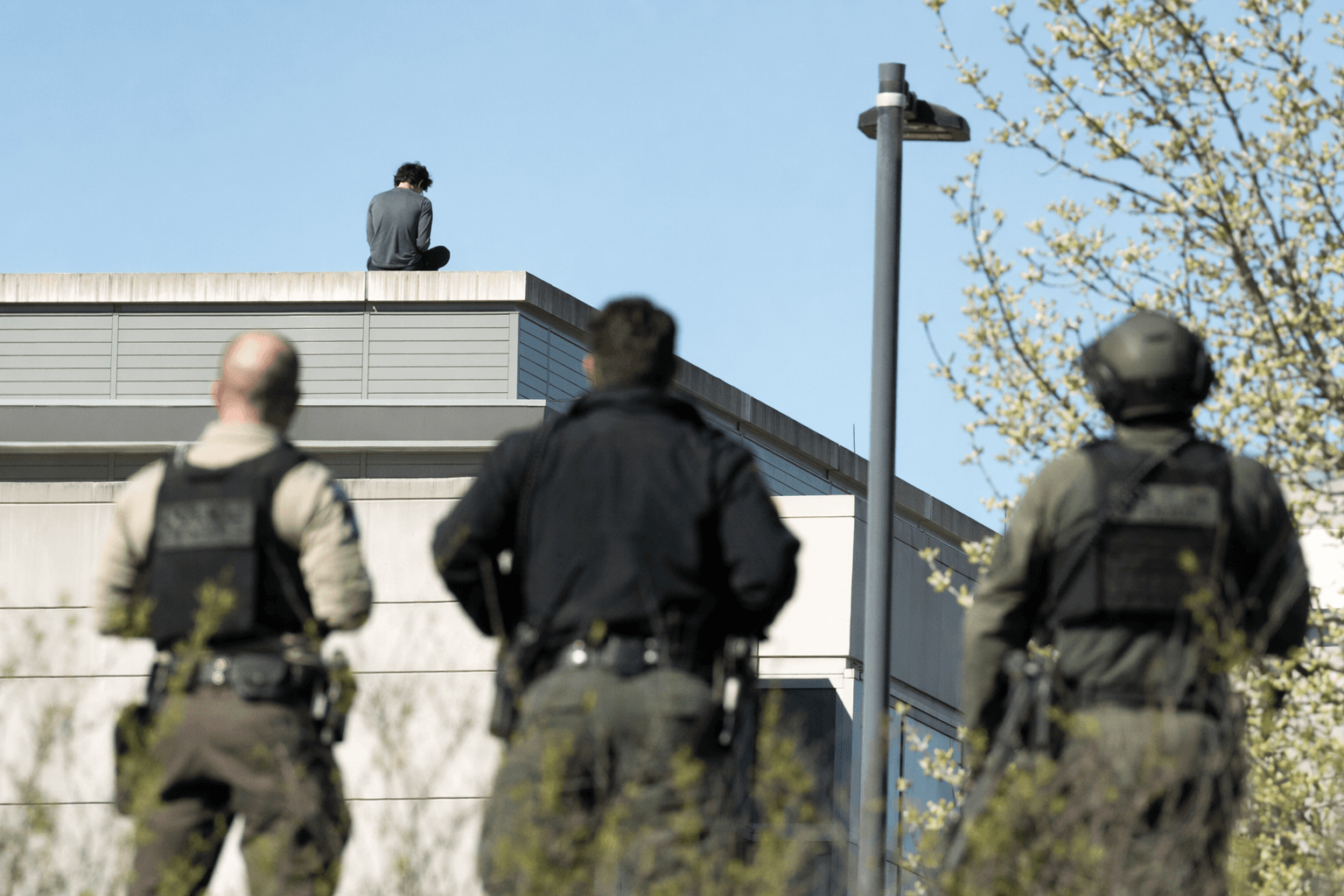
Fire and EMS personnel also rushed to the scene with emergency equipment, including a ladder truck, as the response unfolded at the LCC main campus. Around 5 p.m., the juvenile came down unharmed and was taken to a local area hospital for treatment.
The Lane County Sheriff’s Office thanked LCC Public Safety and all of the fire and EMT personnel who assisted. The outcome highlighted the kind of layered response that school and college communities rely on when a student or teen is in immediate crisis, with negotiators, campus safety staff and emergency crews each filling a different role.
Lane Community College Public Safety describes itself as a collaborative effort with the campus community and the greater community, and it says officers are on duty 24/7. That approach matters at a place like LCC, where hundreds of students move through classrooms, lots and walkways every day and where a fast, coordinated response can keep a dangerous situation from turning tragic.
The Eugene Crisis Intervention Team adds another piece to that system. Its 40-hour curriculum, built with Lane County Mental Health, the National Alliance for Mental Illness, ASSERT and other community partners, is designed to help responders safely handle crises involving adults and juveniles. The training includes crisis intervention, crisis negotiations, active listening and suicide intervention, skills that were on display during the LCC response.
For families and students, the warning signs of a crisis can include sudden withdrawal, talking about self-harm, escalating panic or fear, or going to an unsafe place. In a life-threatening situation, call 911. For immediate behavioral-health help in Lane County, call or text 988 or call the 24/7 Lane County Crisis Line at 541-682-1001.
This article was produced by Prism’s automated news system from verified source data, official records, and press releases, then run through automated quality and moderation checks before publishing. The system is built and supervised by the people who set the standards it runs under. Read our full AI policy.
Did this article answer your question?