Eugene leaders push bike share, e-scooters as transit partners
Knudsen, Hoyle and LTD cast bike share and scooters as transit partners, as PeaceHealth Rides passed 1 million trips and scooters logged 220,000 more.
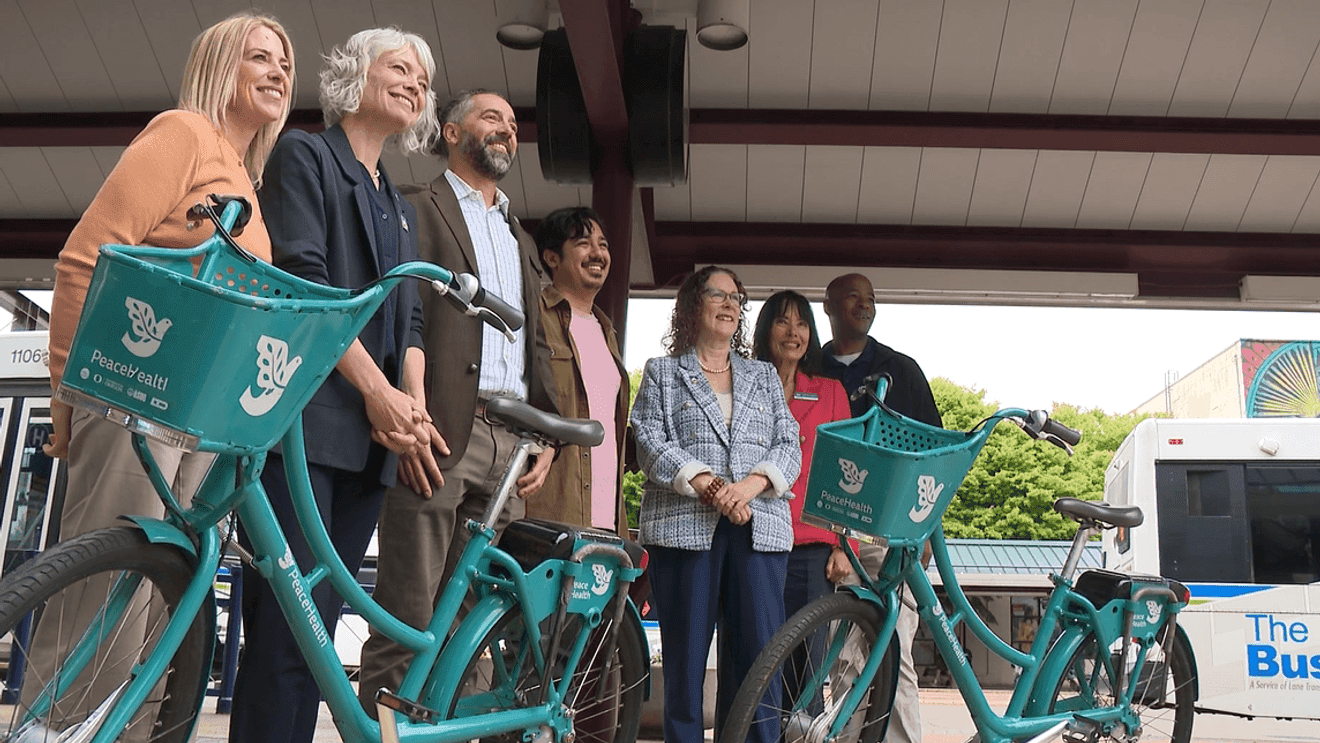
Eugene leaders used National Bike Month to argue that shared bikes and scooters belong inside the transit system, not outside it. Mayor Kaarin Knudsen joined officials from PeaceHealth Bike Share, Lane Transit District and U.S. Rep. Val Hoyle, alongside LTD Chief Executive Officer Jameson Auten and Cascadia Mobility Executive Director Brodie Hylton, in a push for federal micromobility funding. The pitch landed in a national market that now includes more than 415 bike-share and e-scooter-share programs.
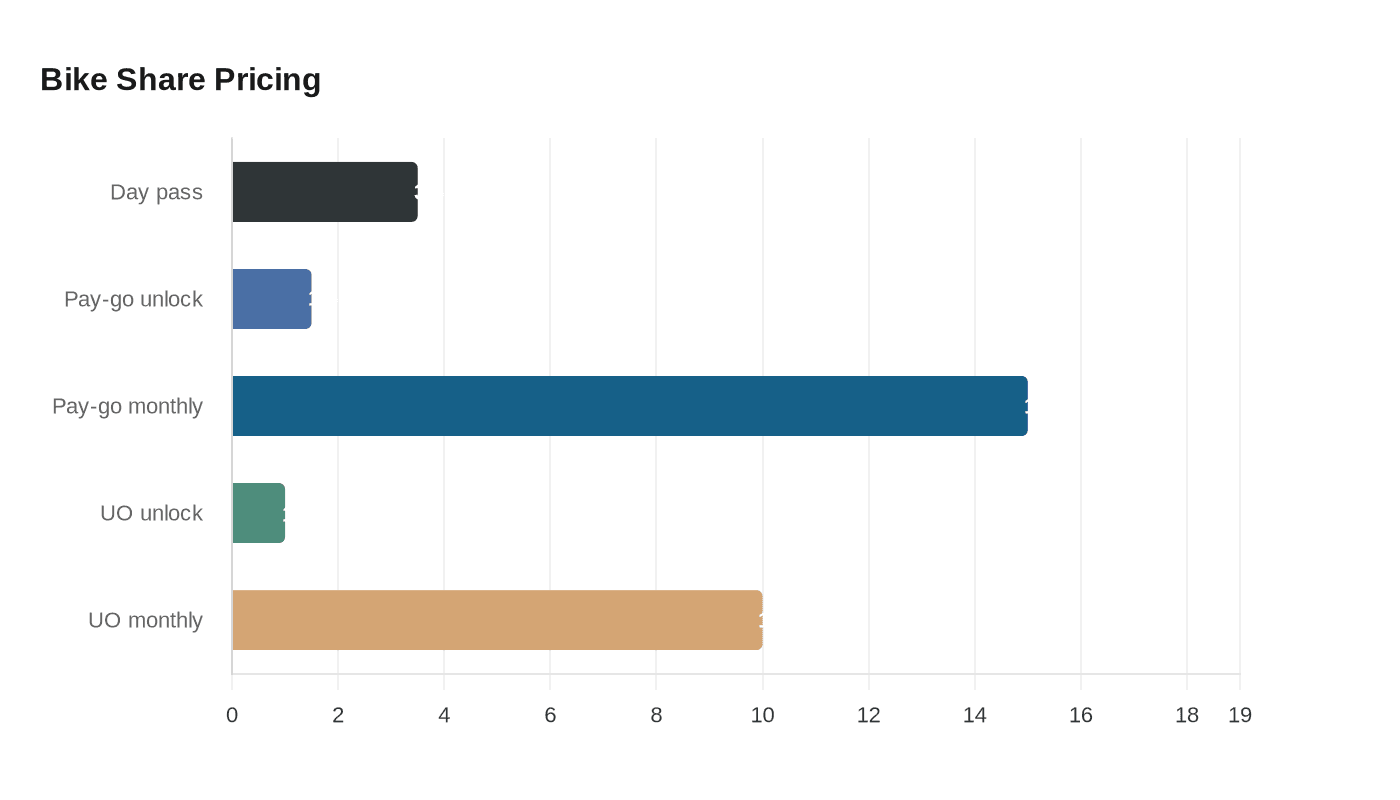
For an everyday rider trying to get from West Eugene to downtown Springfield without a car, the system already has a workable shape. EmX connects West Eugene, downtown Eugene, the University of Oregon, downtown Springfield and the Gateway and RiverBend areas, and as of May 1 riders could use the same app or tap card to pay across LTD services. An adult day pass costs $3.50. PeaceHealth Rides lists pay-as-you-go trips at $1.50 to unlock plus 19 cents a minute, with a $15 monthly plan that includes 60 free minutes a day. UO riders get a cheaper tier at $1 to unlock plus 10 cents a minute, or $10 a month.
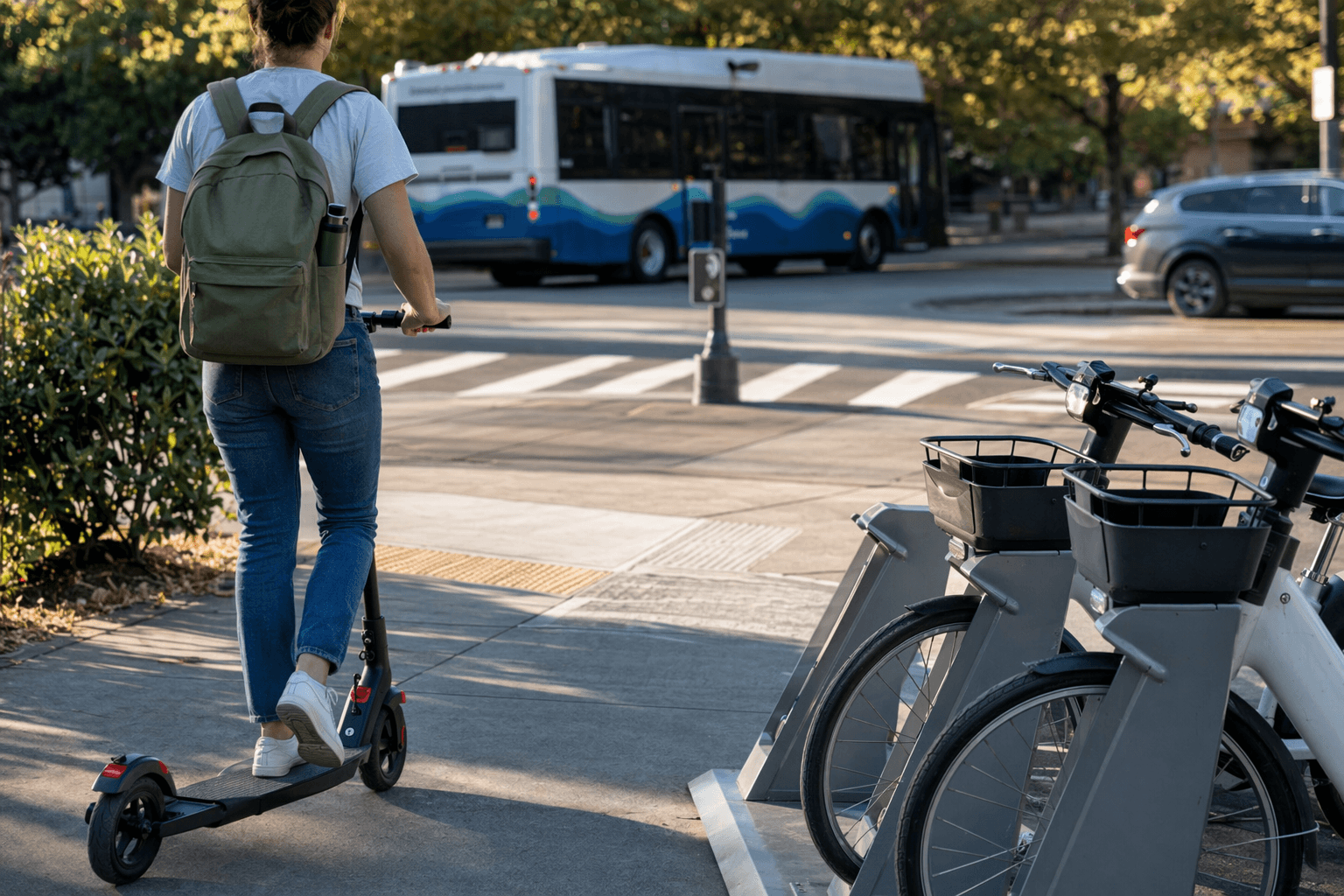
The usage numbers suggest this is already part of daily travel, not just an experiment. LTD said PeaceHealth Rides has topped 1 million trips and about 1.4 million miles since launch, and the system expanded to 450 bikes and downtown Springfield in April 2024. Cascadia Mobility also said its Eugene e-scooter pilot with Superpedestrian ran from March through December 2023 and produced more than 220,000 trips in nine months, even as bike-share rides fell by about 10 percent during the pilot. For local transit planners, that history shows both demand and tradeoffs: scooters drew riders, but they also competed with bikes.
The weak spots are where the handoffs still get messy. PeaceHealth Rides trips must end inside the system area, parking outside a hub can add a $2 fee, and ending a trip outside the boundary can trigger a $25 fine. Those rules matter in a city where LTD says its Mobility Management Strategy is meant to build a more connected, equitable and convenient network that helps people reach jobs, housing, services and opportunities across Lane County, and where LTD Connect 2045 is supposed to steer mobility investments over the next 20 years. Hoyle has also kept a close eye on federal project money, announcing $16,625,000 in community project funding for Oregon’s 4th District on Aug. 14, 2025, then requesting more than $31 million for 20 local projects for fiscal 2027. The question for Eugene is no longer whether micromobility can work in theory, but whether it can keep fitting the trips residents make every day.
This article was produced by Prism’s automated news system from verified source data, official records, and press releases, then run through automated quality and moderation checks before publishing. The system is built and supervised by the people who set the standards it runs under. Read our full AI policy.
Did this article answer your question?