Eugene rally urges fentanyl awareness, parents to start life-saving talks
Sarah Vail brought McKenzie’s death to the Eugene Federal Building, urging parents to start fentanyl talks before one counterfeit pill turns fatal.
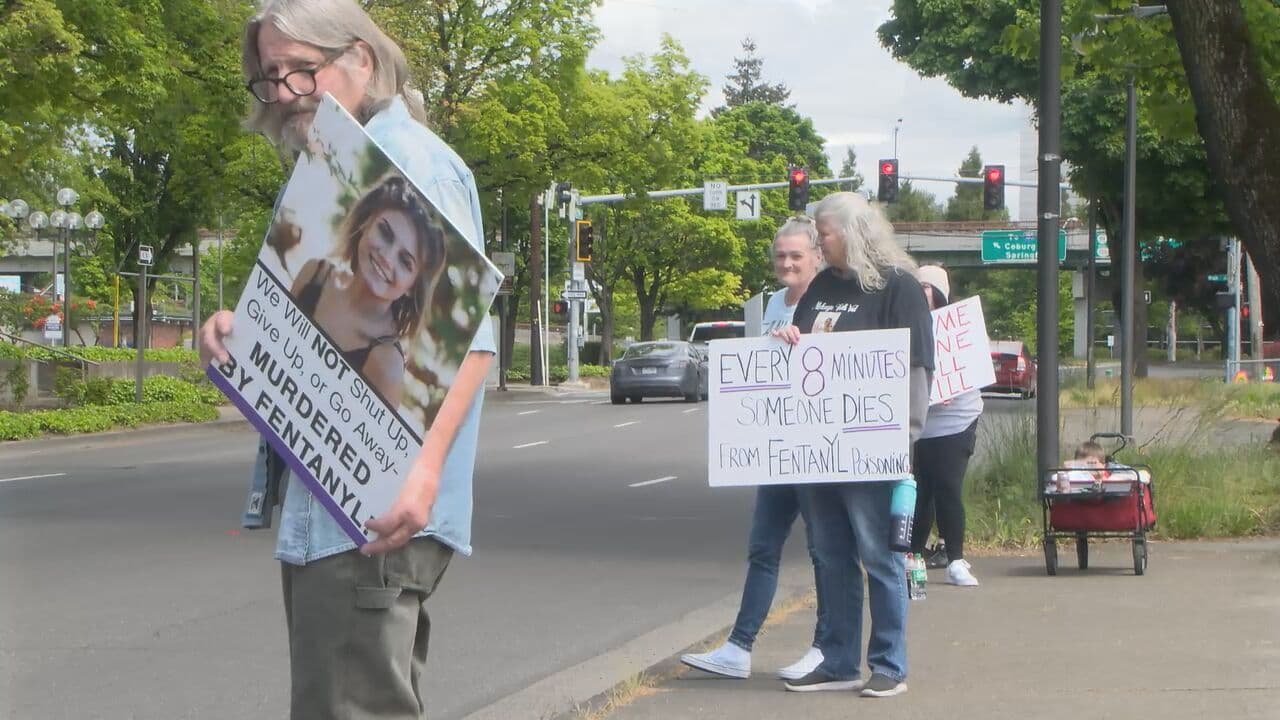
At the Eugene Federal Building, Sarah Vail and other members of the Association of People Against Lethal Drugs turned grief into pressure for change, arguing that Oregon families need more than sympathy while fentanyl keeps killing in Lane County and across the state.
Vail’s daughter, McKenzie, died after taking a pill she believed was Oxycontin. Her message in Eugene was practical as much as personal: awareness can interrupt a tragedy if it reaches a parent in time for a conversation with a child, before a teenager swallows a pill that looks legitimate but contains fentanyl.
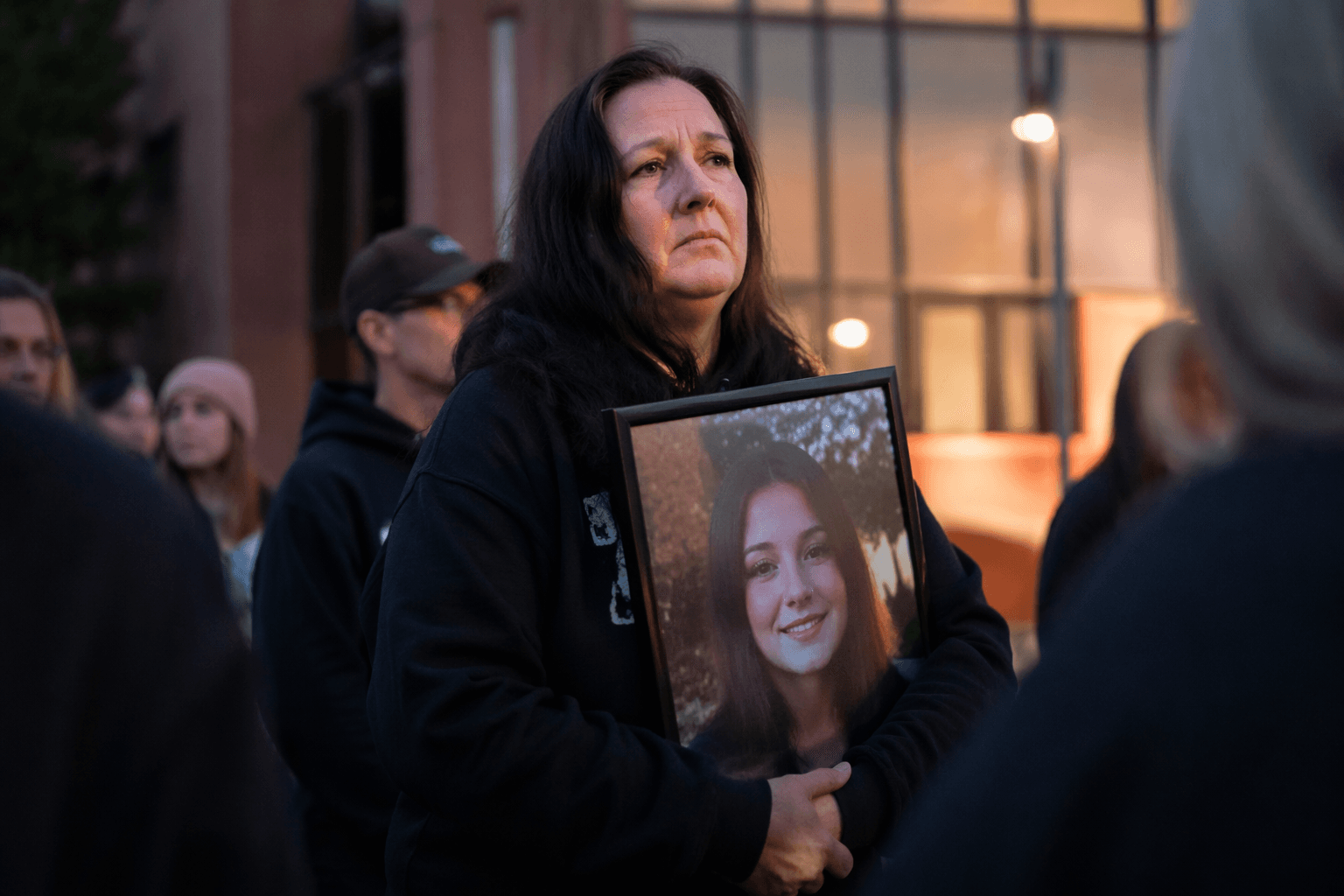
The gathering was part of APALD’s long-running campaign to keep the overdose crisis visible in public spaces and to push lawmakers to do more on trafficking and drug-induced deaths. Families at the rally emphasized that counterfeit pills are often sold on social media and can contain fentanyl or methamphetamine, meaning users frequently do not know what they are taking.
The scale of the crisis remains stark. The Oregon Health Authority reported 1,833 overdose deaths in 2023, the highest ever recorded in the state at the time, followed by 1,544 deaths in 2024, a 16% drop that still left Oregon with a devastating toll. OHA said fentanyl and methamphetamine were involved in more than 90% of fatal overdoses in 2024.
Lane County has already responded with its own Fentanyl Aware campaign, launched by Lane County Public Health to address the growing supply and use of fentanyl and the surge in related overdoses, emergency room visits and deaths. The county’s message overlaps with APALD’s warning that education matters, but the rally also underscored a deeper demand from families: clearer enforcement against trafficking, stronger prevention efforts, better access to treatment and more aggressive public education aimed at parents and teens.
That urgency was reinforced by federal drug agents, who said they seized more than 47 million fentanyl-laced counterfeit pills and nearly 10,000 pounds of fentanyl powder in 2025. Oregon health officials also say naloxone can be obtained at no cost through some pharmacies, syringe service programs and harm-reduction channels, a reminder that prevention and overdose reversal remain central tools even as advocates push for larger policy changes.
APALD’s Eugene rally showed how public mourning has become public organizing. Families who have lost children are asking neighbors, schools and officials to treat counterfeit pills as a daily threat, not a distant warning, and to make sure the next conversation happens before the next dose.
This article was produced by Prism’s automated news system from verified source data, official records, and press releases, then run through automated quality and moderation checks before publishing. The system is built and supervised by the people who set the standards it runs under. Read our full AI policy.
Know something we missed? Have a correction or additional information?
Submit a Tip