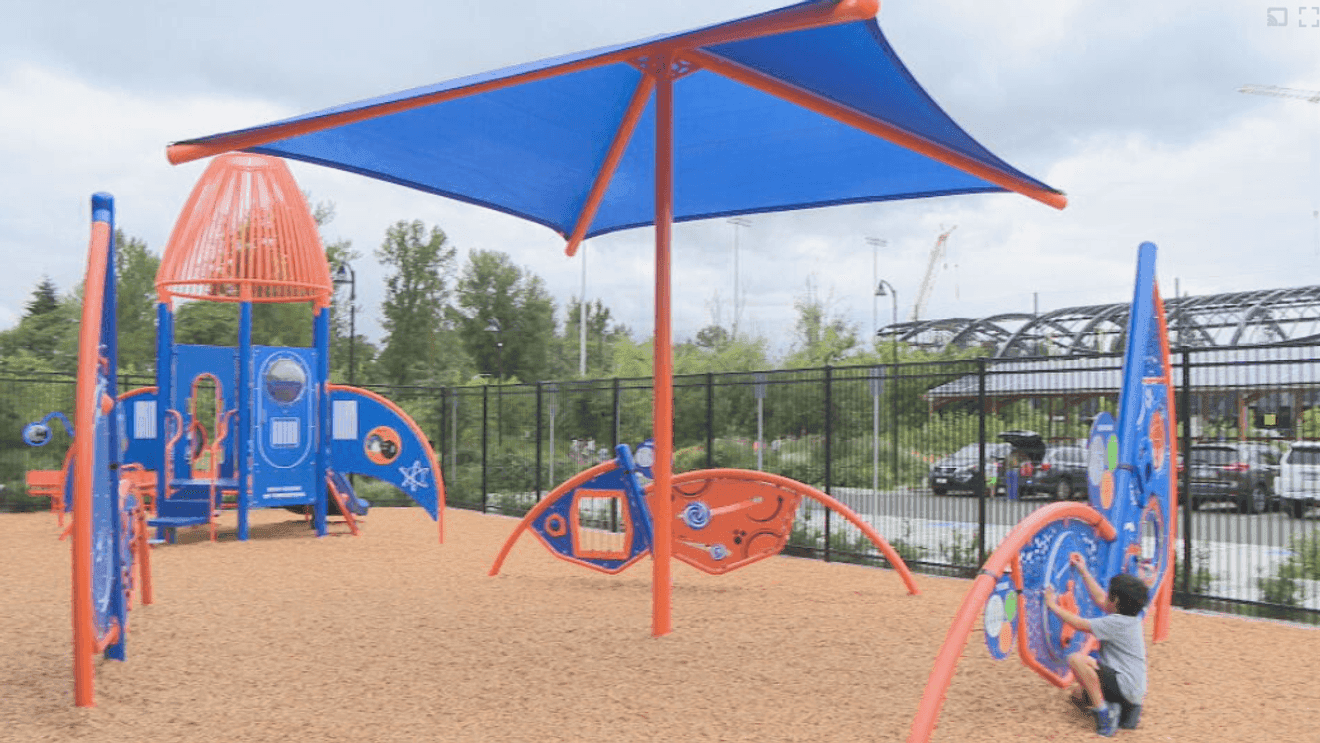
Eugene students restore habitat at Logjam State Park during Weed-a-Thon
Twin Rivers Charter School students spent 24 hours pulling blackberry, Scotch broom and English ivy at Logjam State Park to restore habitat and learn conservation.
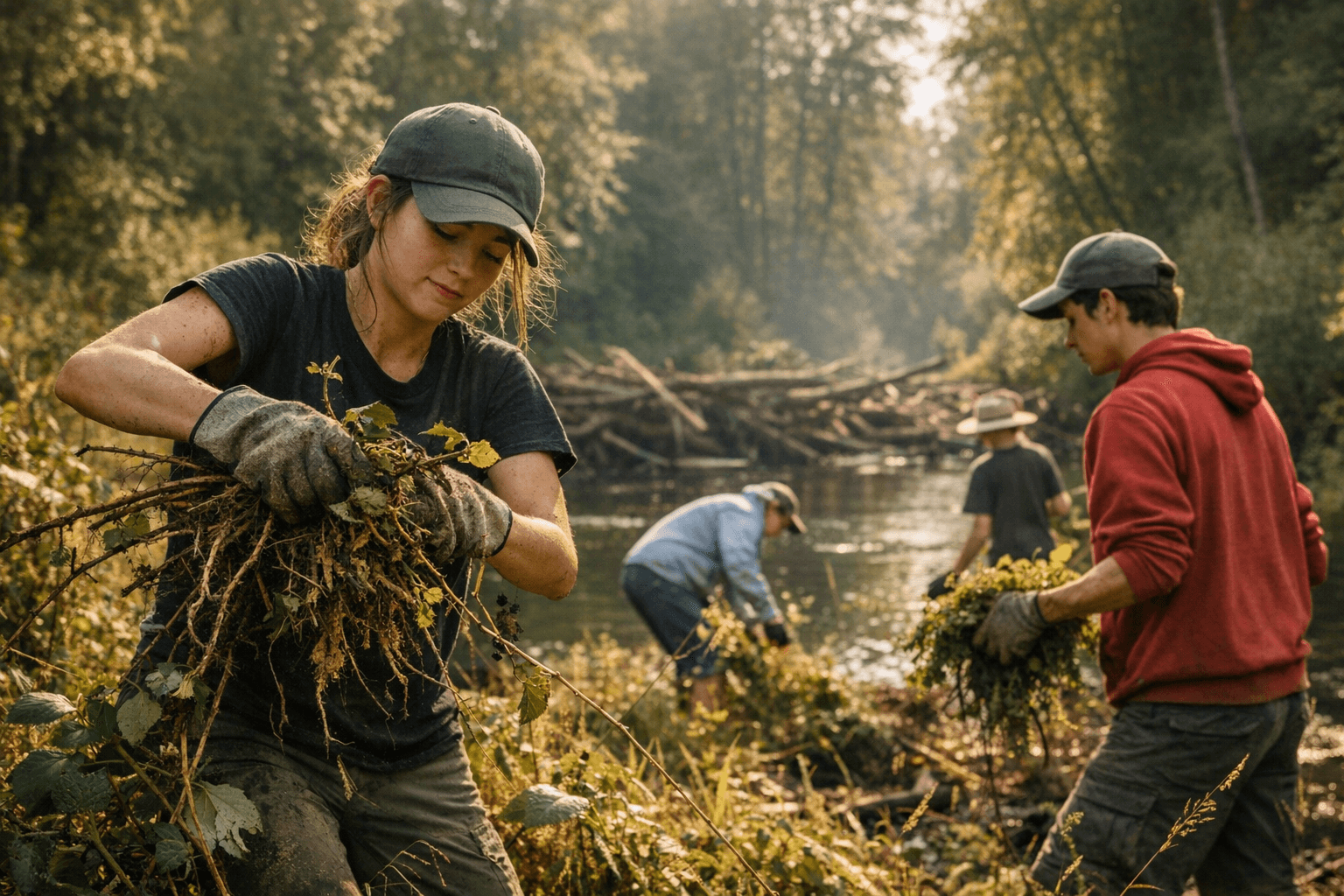
Twin Rivers Charter School students spent a full day and night at Logjam State Park in Eugene, uprooting invasive plants in a 24-hour Weed-a-Thon meant to restore native habitat and show how stewardship works in the field. The work centered on blackberry, Scotch broom and English ivy, species that can crowd out native growth and reshape a park if left unchecked.
The project is part of the school’s curriculum, not a one-time volunteer outing. Twin Rivers, a program operated by Northwest Youth Corps with support from local school districts, AmeriCorps and the Oregon Youth Conservation Corps, serves students in grades 8 through 12 and builds its program around interdisciplinary projects, hands-on experiential learning and outdoor education. At Logjam State Park, that mission played out in practical terms as students worked in teams to clear invasive plants from a public space used by Eugene-area families and outdoor users.
The school’s From the Roots project page says the Weed-a-Thon is designed to raise awareness about conservation and restoration efforts in Oregon state parks. It has also brought in partners including Northwest Youth Corps, the Middle Fork Willamette Watershed Council and the Oregon State Parks and Recreation Department. KEZI reported last year that the event was the school’s fourth annual 24-hour invasive species removal marathon, with students working through the Earth Day weekend from 10 a.m. Friday into Saturday morning.

The stakes are bigger than appearance. Eugene’s native and invasive plant policies say non-native invasive species on city lands carry increasing environmental and financial costs, and that they outcompete native species while threatening food, habitat and genetic diversity. The Oregon Department of Agriculture says noxious weeds displace native and desirable economic plants and can damage agricultural and forest economies, fish and wildlife resources, recreation and watershed health. The agency also says they can contribute to extreme wildfire behavior.
That is why the students’ labor at Logjam State Park matters beyond one cleanup day. Oregon State University Extension identifies English ivy and Himalayan blackberry as invasive pests in Oregon wild habitats, and the Oregon Invasive Species Council stresses prevention, early detection, rapid response, education and long-term control. At Twin Rivers, those lessons were not just discussed in class. They were pulled from the ground, one plant at a time, in a state park that will look healthier because students showed up and did the work.
This article was produced by Prism’s automated news system from verified source data, official records, and press releases, then run through automated quality and moderation checks before publishing. The system is built and supervised by the people who set the standards it runs under. Read our full AI policy.
Did this article answer your question?