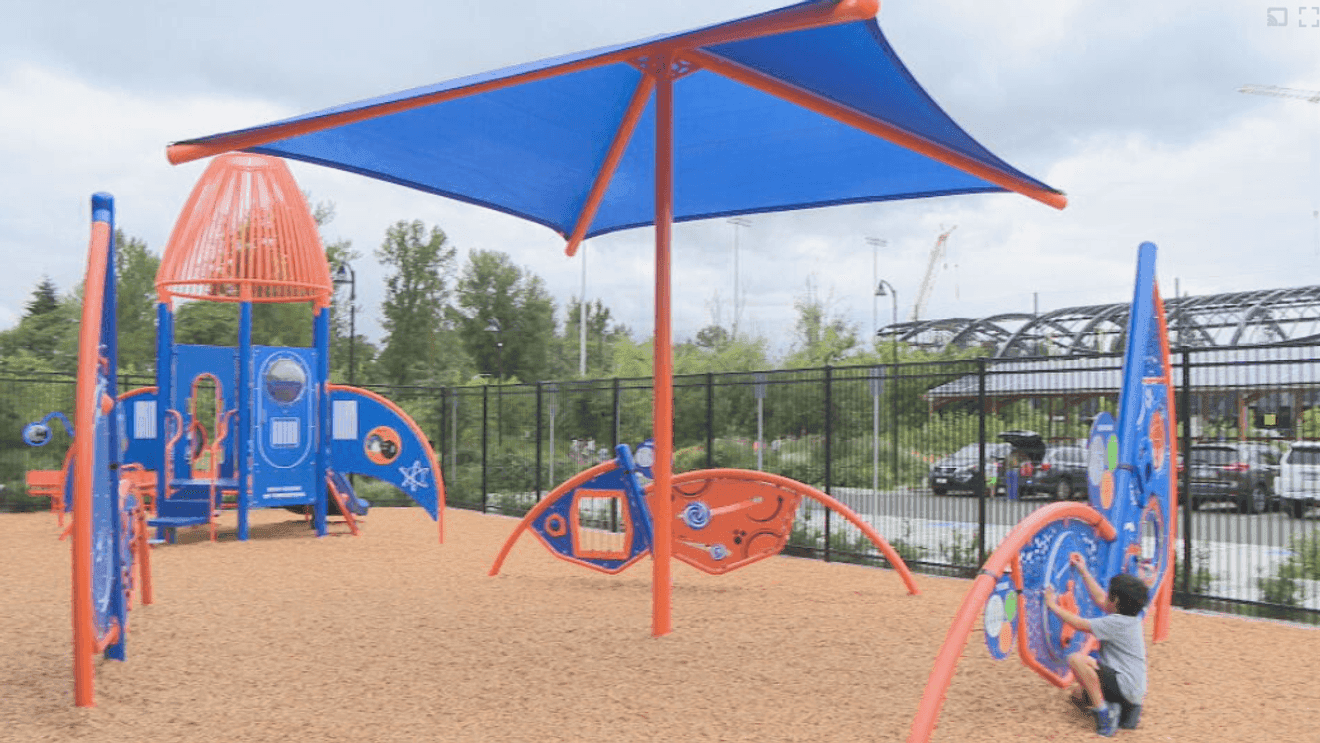
Kotek orders Oregon schools to preserve instructional time amid budget strain
More class time could mean new bell schedules, childcare shifts and bus changes for Eugene-Springfield families as 4J weighs $30 million in cuts.
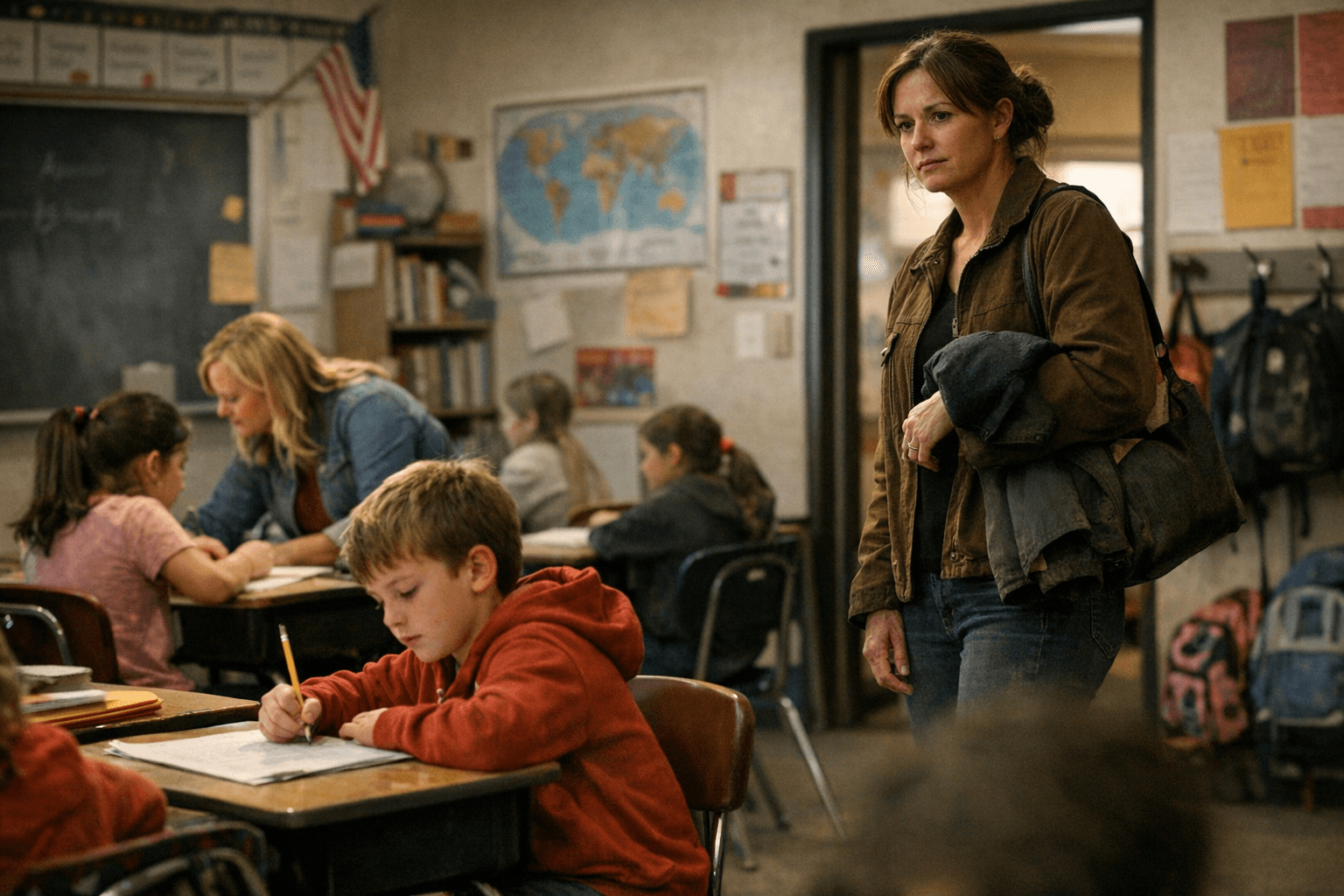
Oregon’s push to protect classroom time could land in Eugene and Springfield as a very practical family problem: school calendars, pickup times, childcare coverage and after-school routines may all have to shift even as local districts are already cutting deeply.
Gov. Tina Kotek’s executive order, issued April 16 and effective immediately, tells the Oregon Department of Education to stop districts from making any more reductions in instructional hours. Districts that already cut time for the 2025-26 or 2026-27 school years must submit restoration plans within 90 days, showing how they will get back to at least 2024-25 instructional time by the start of the 2027-28 school year. The order also asks the State Board of Education to begin emergency rulemaking and bars the state from granting or renewing waivers below minimum instructional hours except in declared emergencies.
Kotek cast the move as a response to Oregon’s academic standing and the state’s short school year. The order says Oregon ranks 48th nationally in fourth-grade reading, 49th in fourth-grade math, 47th in instructional-time requirements and provides 5% less instructional time than the national average. A February memo from Stand for Children Oregon, prepared by ECOnorthwest, said Oregon students average about 165 instructional days compared with about 180 nationally, and more than one-third of Oregon students were chronically absent in 2023-24.
For Lane County families, the key question is not just what Salem ordered, but what Eugene School District 4J can actually change next year. District communications director Kelly McIver said it is still early to know the exact local impact, but district leaders are already wrestling with how to meet new hour requirements while also making major budget cuts. 4J is working through a $30 million reduction plan for 2026-27, and district leaders warned in March that the gap could grow by another $10 million to $20 million because pension and health insurance costs came in higher than expected.

That makes the instruction-time order likely to collide with the kind of decisions parents feel first: when school starts and ends, how many days kids are in class, whether middle school keeps a six-period bell schedule, and whether after-school programs can still line up with dismissal. 4J’s budget materials already point to significant staffing reductions, and local officials have said the district is planning a return to a six-period middle-school schedule.
The Oregon School Boards Association said the order raised questions about budget and labor-law realities, especially after the State Board of Education adopted temporary rules and set a 180-day timeline to write permanent ones. For now, families in Eugene and Springfield are left with a familiar school-year uncertainty: the state has drawn a line on classroom time, but local districts still have to figure out how to keep the doors open, the buses running and the calendar workable.
This article was produced by Prism’s automated news system from verified source data, official records, and press releases, then run through automated quality and moderation checks before publishing. The system is built and supervised by the people who set the standards it runs under. Read our full AI policy.
Did this article answer your question?