Judge halts BLM logging near Eugene after old-growth trees cut
Protected old-growth trees were already cut west of Yoncalla before a judge stopped BLM logging. The Blue and Gold sale sits about 45 minutes south of Eugene.

Protected old-growth trees were already cut in a Douglas County forest west of Yoncalla before a federal judge ordered the Bureau of Land Management to stop the Blue and Gold timber sale. The halt came after volunteers documented trees estimated at about 250 years old in the project area, a stretch of public land that lies about 45 to 50 minutes south of Eugene.
The Blue and Gold sale covers about 3,200 acres, though court filings said the logging plan approved for the area would have affected about 2,400 acres of forest. Conservation groups said the old-growth units included trees the agency should have protected under its own policy, which covers trees more than 40 inches in diameter or older than 175 years.
On May 13, Cascadia Wildlands, Oregon Wild and Umpqua Watersheds asked for an emergency restraining order and preliminary injunction after saying old-growth logging had already been documented in the sale area. The next day, a U.S. District Court judge halted further logging and, according to the court ruling described in local reporting, ordered BLM to throw out the Blue and Gold plan and start over if it wants to log the area in the future.
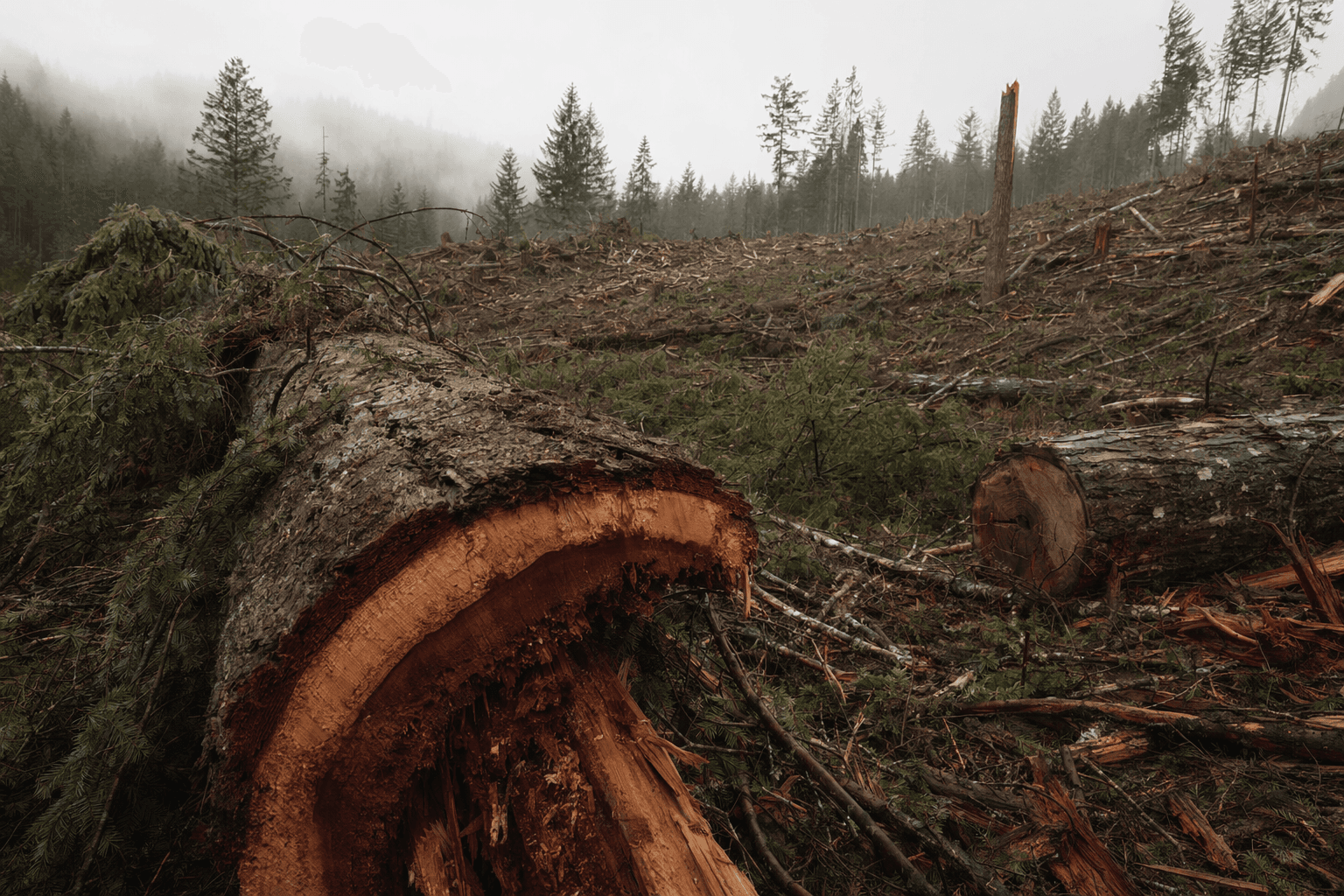
The court found that BLM violated the Federal Land Policy and Management Act and the National Environmental Policy Act. The ruling said the agency failed to follow its own old-growth retention requirements and did not take a sufficient look at forest conditions in the project area, where conservation groups said occupied northern spotted owl habitat and habitat for marbled murrelets were at stake.
For people in and around Eugene-Springfield who follow the fate of federal forests south of Lane County, the immediate effect is simple: the logging pause keeps the remaining old-growth stands in place for now. Conservation groups say that means continued habitat, water protection and carbon storage in a forest landscape that also influences the lower Umpqua River watershed.
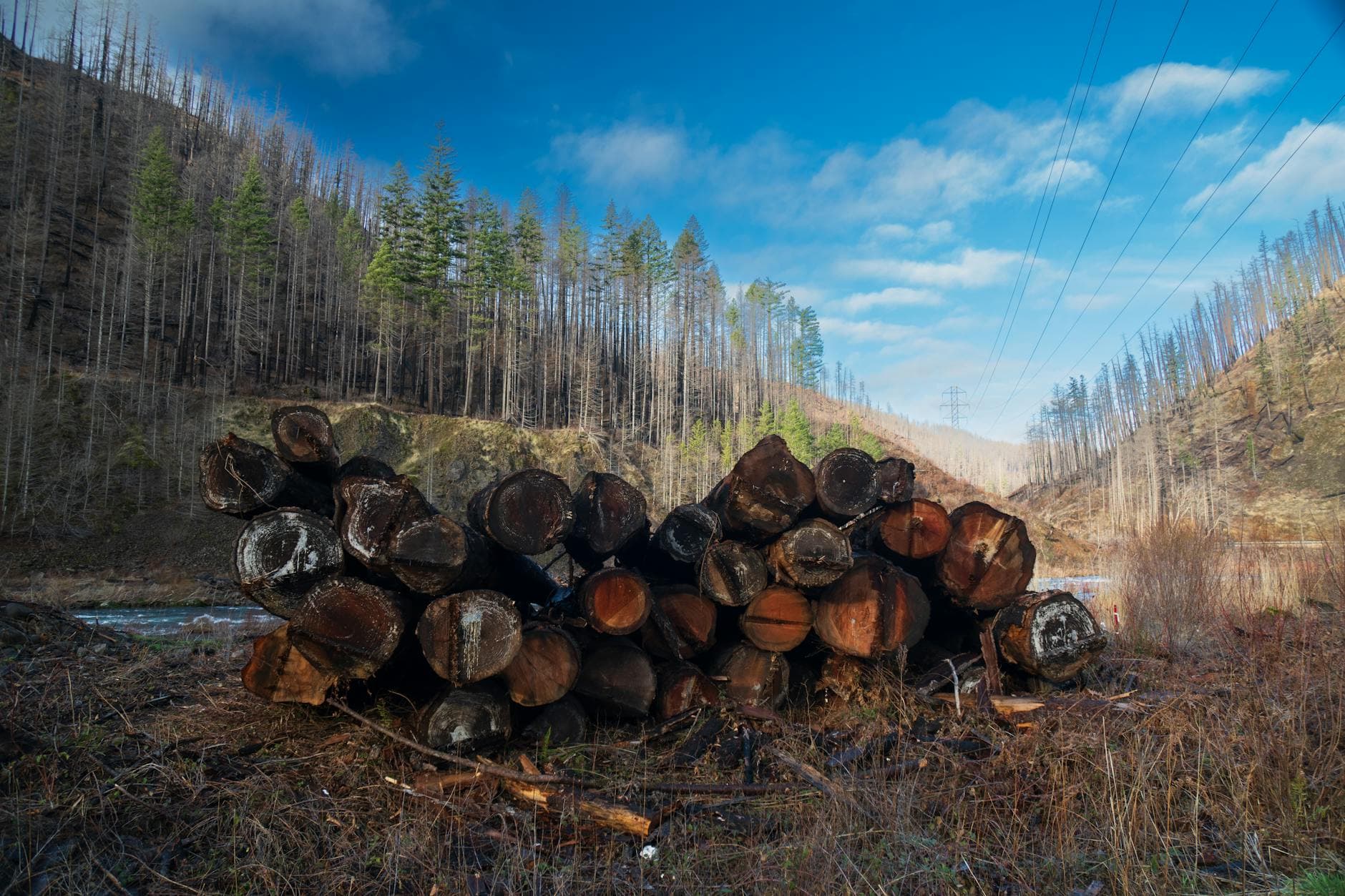
Oregon Wild’s John Persell said the decision means these ancient forests will remain standing for now and continue to provide habitat and clean water. Cascadia Wildlands’ Nick Cady said community members were crucial in documenting the old-growth on the ground. Umpqua Watersheds’ Janice Reid said the remaining old-growth parcels matter for habitat, clean water and climate mitigation.
The American Forest Resource Council, which intervened in the lawsuit, said it was disappointed and argued the project was meant to support rural Oregon jobs, timber supply, county revenues, water quality, wildlife habitat and forest health. The Blue and Gold plans were finalized under the Biden administration, while the challenge, filed in September 2024 and argued in November 2025, now sends BLM back to the drawing board.
This article was produced by Prism’s automated news system from verified source data, official records, and press releases, then run through automated quality and moderation checks before publishing. The system is built and supervised by the people who set the standards it runs under. Read our full AI policy.
Did this article answer your question?