Lane County shows ballot checks ahead of May 19 primary
Lane County is showing voters every step of ballot handling before the May 19 primary. The county says each envelope faces multiple human and mechanical checks before results post.
Why Lane County opened the doors
After arson attacks on ballot drop boxes in Portland and Vancouver shook confidence in vote by mail, Lane County Elections decided the best answer was to show its work. County Clerk Tommy Gong invited the media inside to trace a ballot from the moment it leaves a mailbox or drop box to the moment it becomes part of the count, a public demonstration aimed as much at skepticism as at procedure.
The point was not to present elections as spotless or mysterious. It was to show that Oregon’s system is built around handoffs, checks and separation of duties, so no single worker, machine or step controls the outcome. For voters across Eugene and the rest of Lane County, that means the county wants the ballot journey to feel less like a black box and more like a carefully watched chain of custody.
From drop box to verified ballot
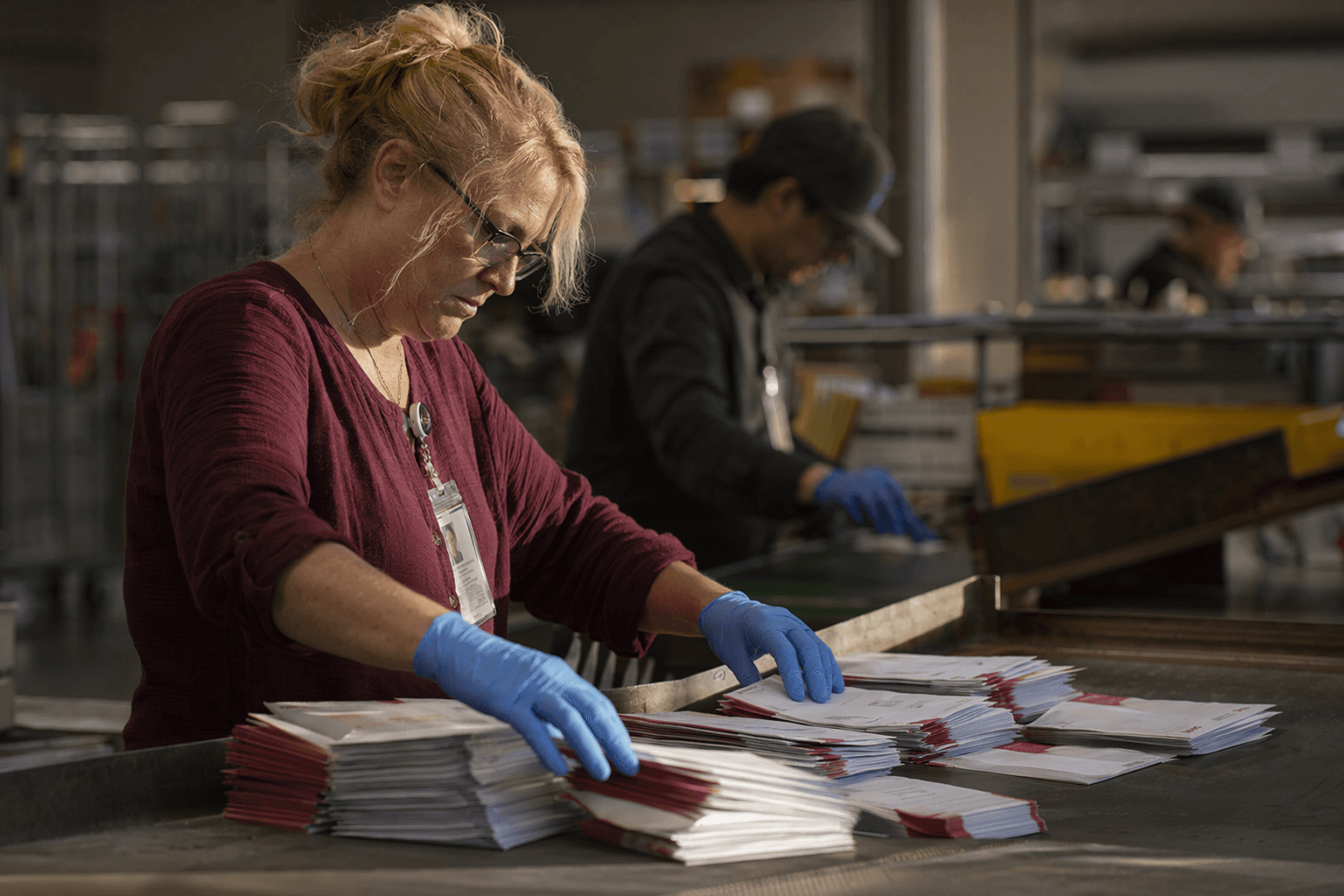
The process starts in one of two places: a secure drop box or the mail. Ballots for the May 19 primary began mailing on April 29, and voters had to be registered by April 28 to receive one for this election. Once ballots arrive back at Lane County Elections, workers sort them into strict batches of no more than 200 so the office can keep an exact audit trail.
After sorting, each return envelope is checked against the voter’s official signature record. That comparison uses both automated software and trained staff, which is meant to catch problems without depending on a single judgment call. If the signature matches, bipartisan teams from different political parties open the envelopes and separate the ballot from the secrecy sleeve, keeping identifying information apart from the vote itself.
That separation is one of the core safeguards Oregon says every county must use. The state’s vote-by-mail manual lays out the process in sections covering reception, signature verification and sorting, opening return identification envelopes, ballot inspection, ballot counting, special handling, results reporting and ballot storage. In other words, Lane County is not inventing local shortcuts. It is following a statewide system designed to make each step visible, repeatable and reviewable.
What happens if something looks wrong
Voters are often most worried about the gray areas: a smudged signature, a torn envelope, an omitted mark or a ballot that seems to have a problem. In Lane County, those are not simply brushed aside. Damaged ballots, empty envelopes and other discrepancies are set aside for individual review, while stray marks or blank selections that create ambiguity go to a bipartisan manual review team.
That matters because it answers one of the most common fears people bring to vote-by-mail systems, that one small mistake means a ballot disappears. The county’s process is designed instead to isolate the problem and examine it, with human workers stepping in when automation cannot make a clean call. For voters, the practical takeaway is straightforward: a questionable envelope does not automatically become a rejected vote.
The county’s scrutiny has also been sharpened by events well beyond Lane County. In October 2024, ballot drop boxes in east Vancouver and Portland were targeted in arson attacks that damaged or destroyed hundreds of ballots. Clark County responded by assigning election-office observers 24/7 to each of its 22 drop boxes, and Lane County said it studied what precautions had worked there and what could be adopted locally.

Tommy Gong said he called the other county after the attacks to learn what additional safeguards made sense. Lane County now uses devices meant to snuff out fire and has added other protections around the election environment. Former Lane County Clerk Dena Dawson had already described a mix of fire suppressants, increased patrols from public safety partners and more monitoring of drop boxes, a reminder that security is not just a policy statement but a set of physical defenses.
How the count stays inside the county’s control
Once ballots clear verification and review, they are scanned by high-speed equipment that is tested before every election cycle. The state says those machines are never connected to the internet, a point election officials make repeatedly when voters worry about remote interference or outside manipulation. Oregon also stores election materials in sealed containers for months, another layer meant to preserve evidence if questions arise later.
The count is not simply left to the equipment, either. Oregon requires post-election reviews after every election that includes a federal or statewide contest, and state law requires random sampling hand counts or risk-limiting audits in all counties after primary, general and special elections. Those checks give local voters a way to see that the machine count is not the final word by itself.
Oregon officials also point to the broader record. From 2000 through 2019, the state says about 61 million ballots were cast and there were 38 criminal convictions for voter fraud. The state cites that as roughly 0.00006 percent, a tiny fraction that officials use to argue that the system’s safeguards are aimed less at routine fraud than at maintaining confidence in a process that already produces few confirmed violations.
When Lane County results will post
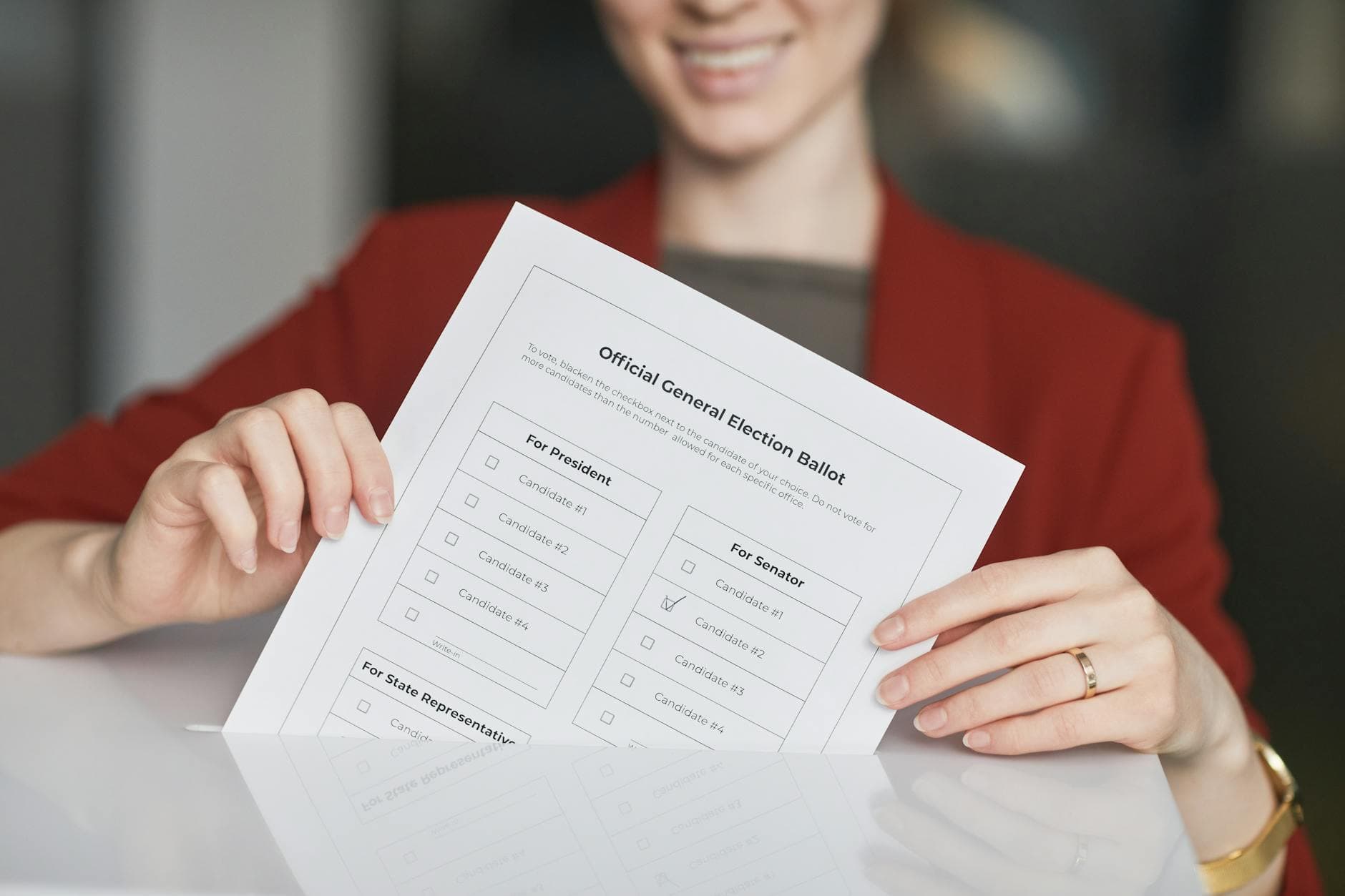
The most practical question voters ask is when the numbers will show up. Ballots must be returned by 8 p.m. on Election Day, which for this primary is May 19. Ballots mailed on Election Day can still count if they are postmarked that day, so the postmark matters as much as the mailbox.
Results do not appear all at once. They begin after ballots are received, sorted, verified and scanned, and they continue to evolve as special handling, manual review and state-required audits are completed. That means the first results are only the start of the count, not the finish.
For Lane County, the larger message is that trust is built one envelope at a time. The ballot is collected, checked, opened by bipartisan teams, inspected, scanned, reviewed and audited before the process is finished. In a year when election doubt has spread faster than election facts, the county is betting that visible procedure is the strongest proof it can offer.
This article was produced by Prism’s automated news system from verified source data, official records, and press releases, then run through automated quality and moderation checks before publishing. The system is built and supervised by the people who set the standards it runs under. Read our full AI policy.
Did this article answer your question?