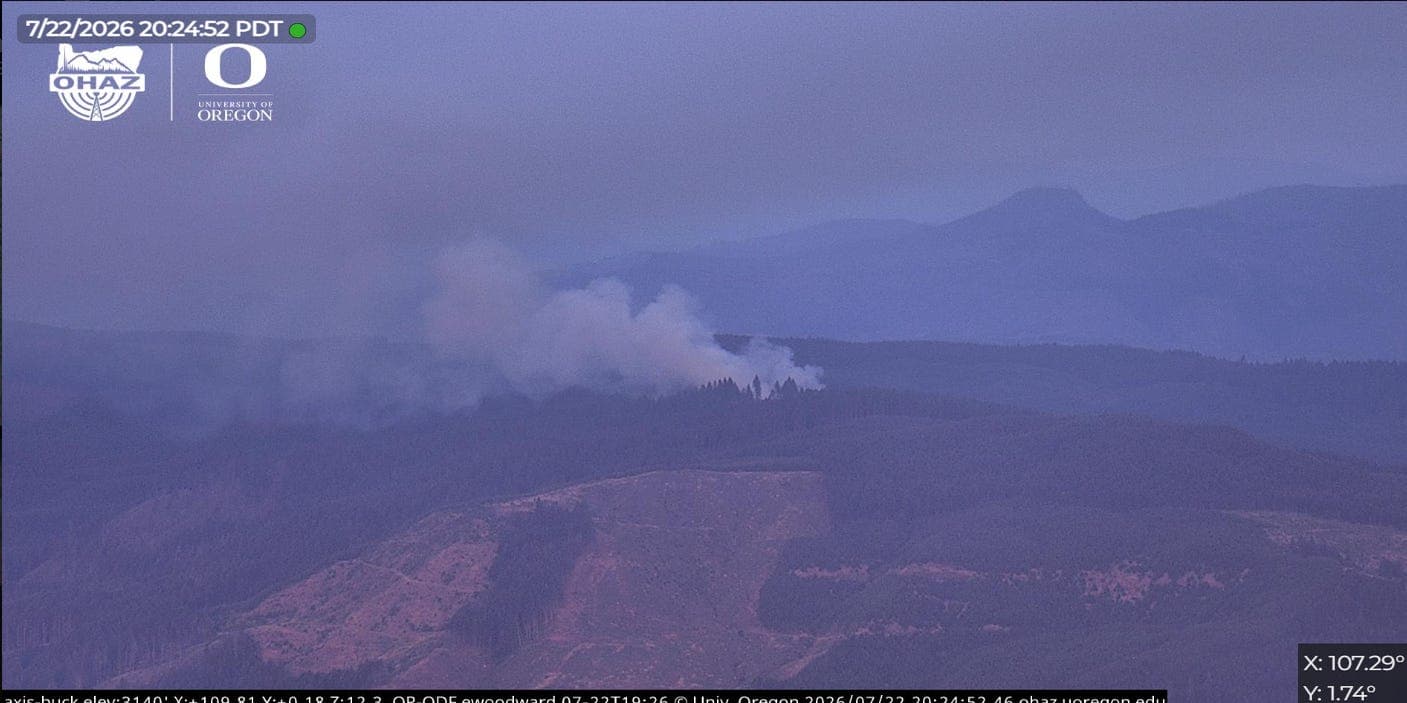
Junction City considers 90-day trial of Flock license plate readers
Junction City police asked for a 90-day Flock trial with eight plate readers, a move that could shape what other Lane County cities do next.
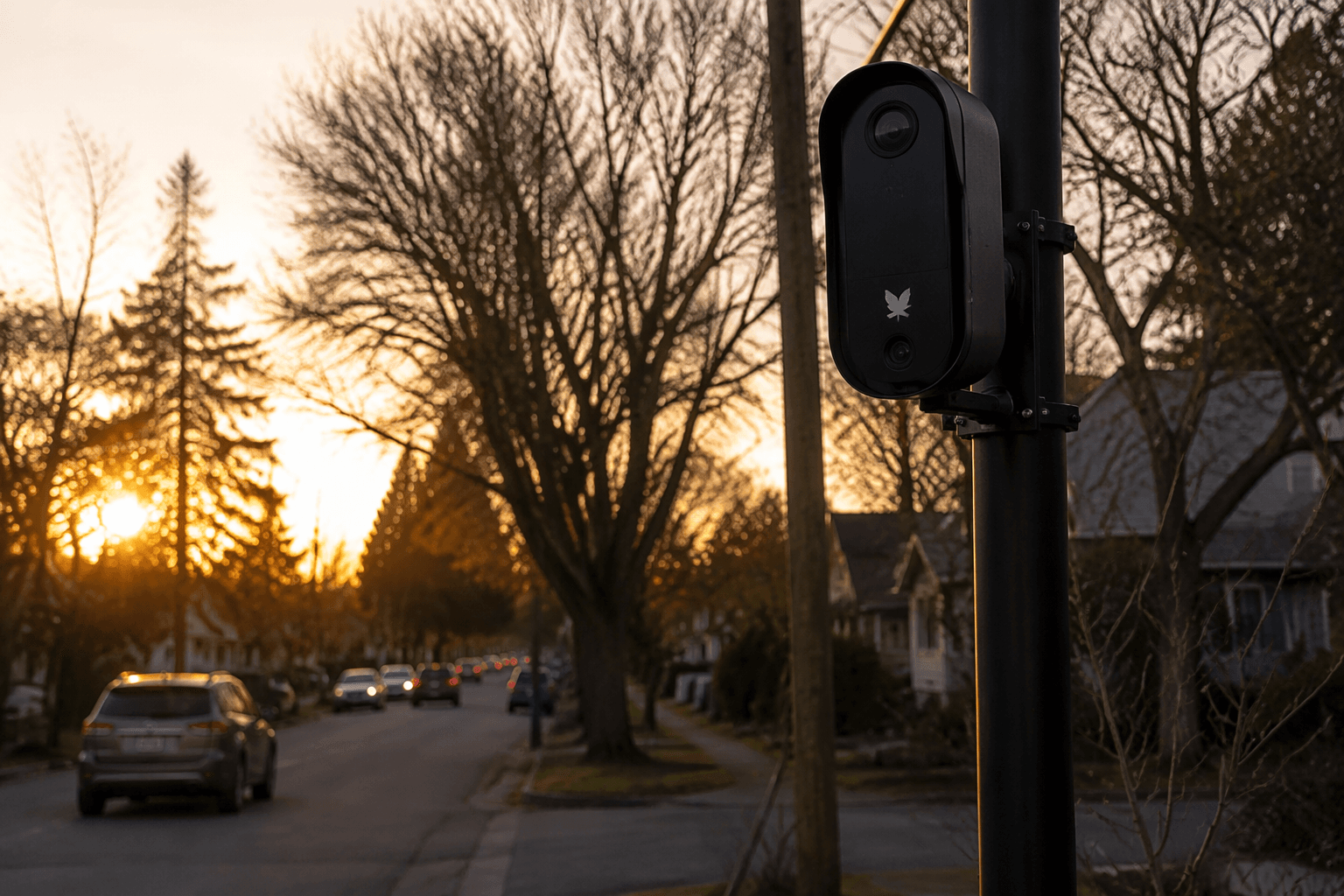
Junction City police asked the City Council to approve a 90-day trial agreement with Flock Safety that would install eight license plate readers inside city limits, putting the Lane County city at the center of a surveillance decision already tested in Eugene and Springfield. The council discussed the issue and delayed a vote, keeping the proposal alive for a later decision, and the cameras could be installed in the fall if the city gives the green light.
The proposal is a limited trial, not a permanent rollout, but the technology itself is direct: fixed readers mounted in the city would capture point-in-time images of vehicles on public streets and read license plates as cars pass. Police say the system could help protect the community, while critics have warned about data-sharing risks. For residents, the choice comes down to whether the investigative value is worth the privacy concerns and the possibility that a temporary test becomes a longer-term surveillance tool.
Those concerns have already reshaped the conversation elsewhere in Lane County. Eugene formally paused automatic license plate reader use on Oct. 14, 2025, after the Eugene City Council asked on Oct. 8 to turn Flock cameras off amid fears of federal misuse. Springfield installed AI-powered license plate cameras on Sept. 26, 2025, but said it would not turn them on until public discussion, and both cities later announced the end of Flock camera usage on Dec. 5. A Springfield city page says Flock Safety began removing ALPR cameras there on Jan. 21, 2026.
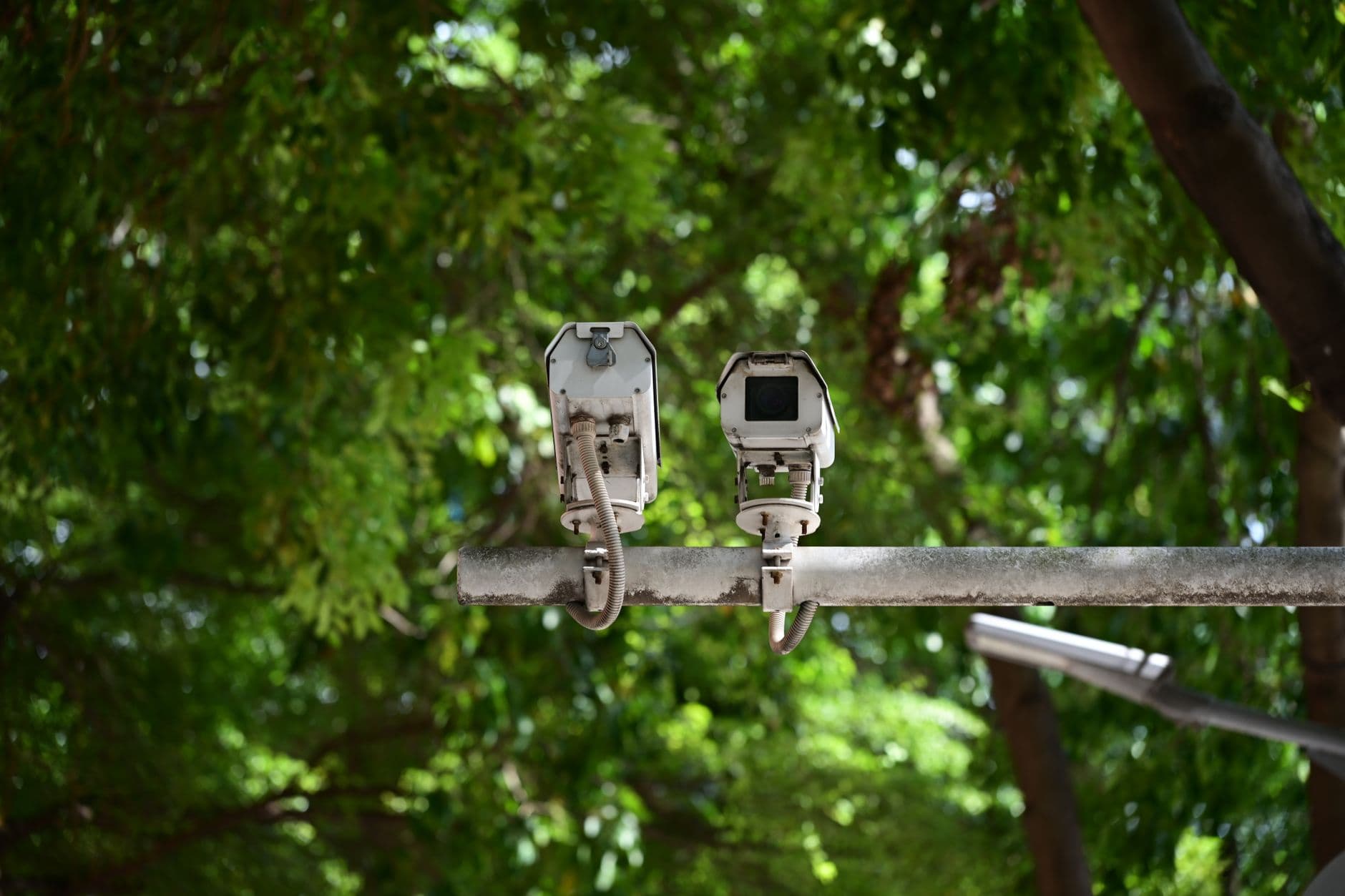
Lane County also has its own link to the company. KLCC reported on Oct. 27, 2025, that the county had a contract with Flock but had not installed any cameras yet. The Eugene records dispute added another layer, with the ACLU of Oregon later suing the City of Eugene over public records tied to the cameras, and Oregon Capital Chronicle describing allegations of secrecy around those records.
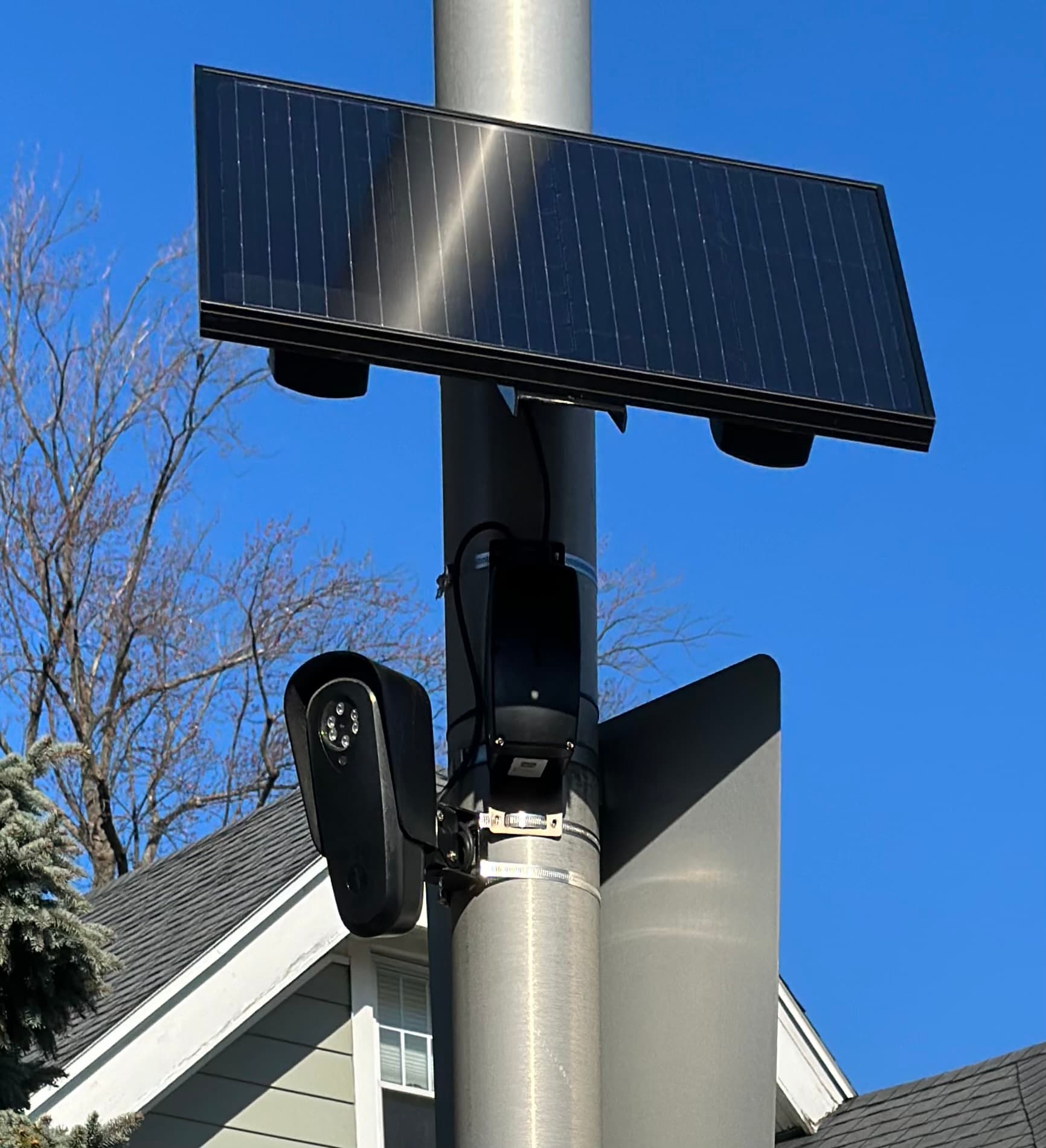
For Junction City, the council’s decision carries a broader precedent than a single 90-day contract. A yes vote would make the city the latest Lane County jurisdiction to try the technology after neighboring governments paused, delayed, or removed it. A no vote would align Junction City with the caution that has spread through the county as the debate has shifted from crime-solving promises to questions about privacy, access and mission creep.
This article was produced by Prism’s automated news system from verified source data, official records, and press releases, then run through automated quality and moderation checks before publishing. The system is built and supervised by the people who set the standards it runs under. Read our full AI policy.
Did this article answer your question?