Lane County DA: case will be dismissed after Oregon Supreme Court wi‑fi privacy ruling
Lane County's DA will dismiss a child pornography case against Randall Simons, 73, after Oregon's Supreme Court ruled warrantless wi-fi surveillance of his browsing was unconstitutional.
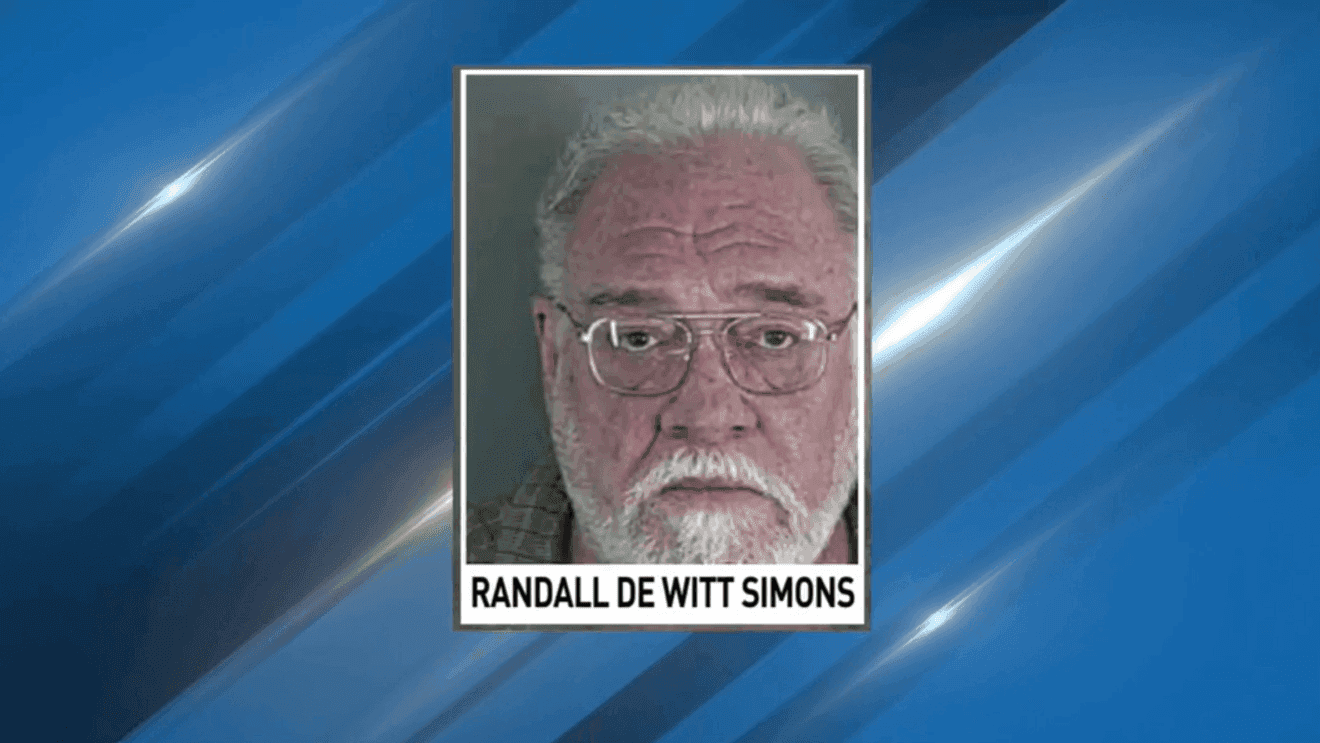
A year's worth of internet browsing logs, pulled from an Oakridge A&W restaurant's wi-fi network without a warrant, was enough to convict Randall De Witt Simons on 15 counts of first-degree encouraging child sex abuse. The Oregon Supreme Court ruled last month that collecting those logs was unconstitutional, and Lane County District Attorney Christopher Parosa announced Monday that his office will dismiss the case.
Simons, 73, lived directly across the street from the A&W in Oakridge. Between 2018 and 2019, he allegedly used the restaurant's free, password-free wi-fi signal, which extended into his apartment, to access child sexual abuse material online. A private IT consultant hired by the network operator flagged the activity through a firewall and, at police suggestion, preserved and handed over more than 255,000 individual webpage visits along with detailed packet capture data spanning roughly a year. Police used those logs to obtain a search warrant, arrest Simons in November 2019, and secure his conviction at Lane County Circuit Court in 2021.
The ruling puts those investigative steps in direct conflict with Oregon's constitutional protections, forcing prosecutors to choose between two competing principles: the privacy rights of internet users on public networks, and the use of long-term network monitoring to build cases involving child sexual abuse material.
The Oregon Supreme Court, in an opinion by Justice Bronson D. James, held that Simons retained a right to privacy in his browsing activity even on a public network. Clicking through the A&W's terms-of-service screen did not eliminate that right, the court found, because the restaurant's terms were not meaningfully different from those any Oregon resident agrees to with a home internet provider. The A&W and its IT consultant, the court concluded, acted as state agents when they handed the logs to investigators, triggering Article I, Section 9 of the Oregon Constitution, the state's analog to the federal Fourth Amendment.

Parosa said the Supreme Court "overturned the analyses of the trial court and court of appeals, both of which upheld the constitutionality of the investigative steps police had taken under long-standing precedent." The Oregon Court of Appeals had upheld the conviction in 2023 before the state's highest court reversed course. An amicus brief supporting Simons had been filed by the Criminal Justice Reform Clinic at Lewis & Clark Law School in Portland.
Simons first gained national attention in 1998 as the photographer who shot JonBenét Ramsey during child beauty pageants and later sold a portfolio of her images following her 1996 unsolved murder in Boulder, Colorado. The Supreme Court's ruling is unrelated to the Ramsey case. Simons has been held at Two Rivers Correction Institution in Umatilla since his 2021 conviction, with an earliest possible release date of 2030; a dismissal would put him out of prison years ahead of schedule.
Oregon law enforcement agencies that have relied on browsing logs provided by private network operators will need to reassess those investigative practices under the new constitutional standard. Cases built on similar evidence could return to trial courts for suppression hearings as prosecutors weigh whether to retry or dismiss.
Sources:
Know something we missed? Have a correction or additional information?
Submit a Tip