Lane County middle schoolers race self-built electric cars
More than 100 Lane County middle schoolers raced 63 self-built EVs at the fairgrounds, turning a classroom project into a hands-on path into engineering.
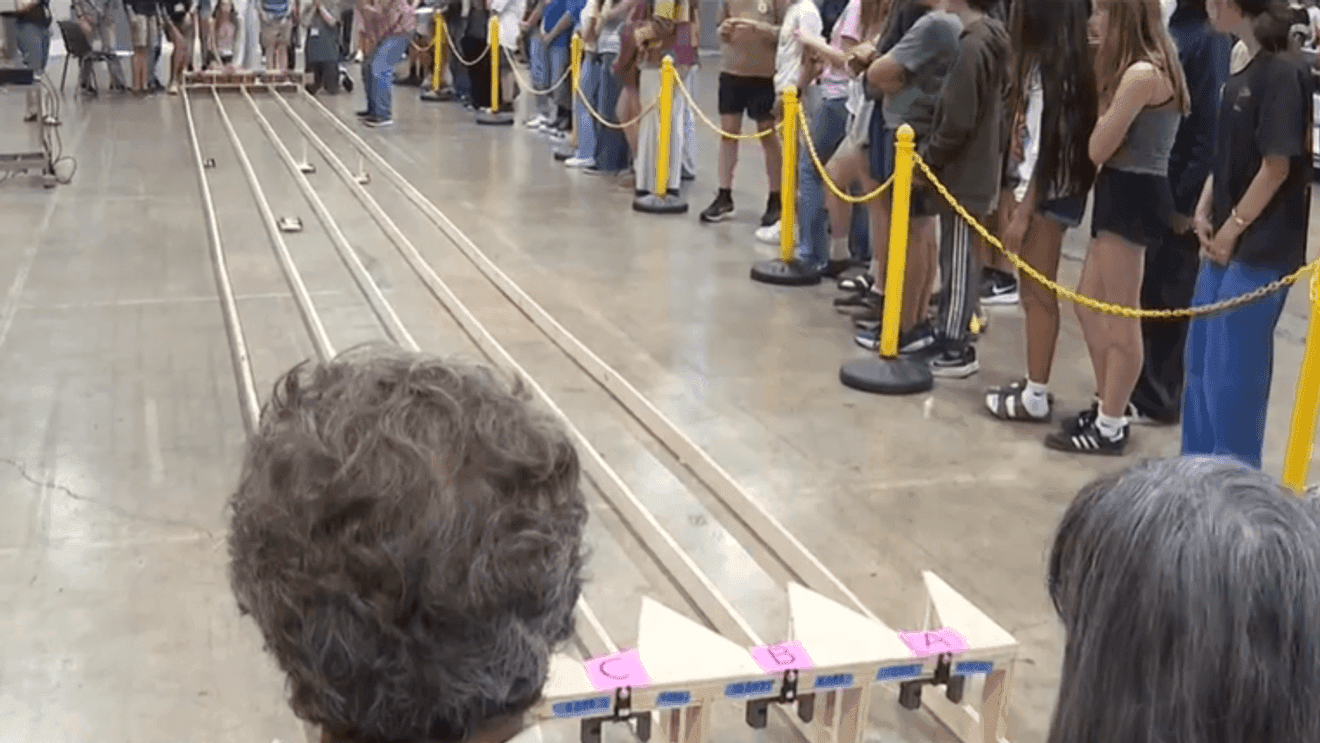
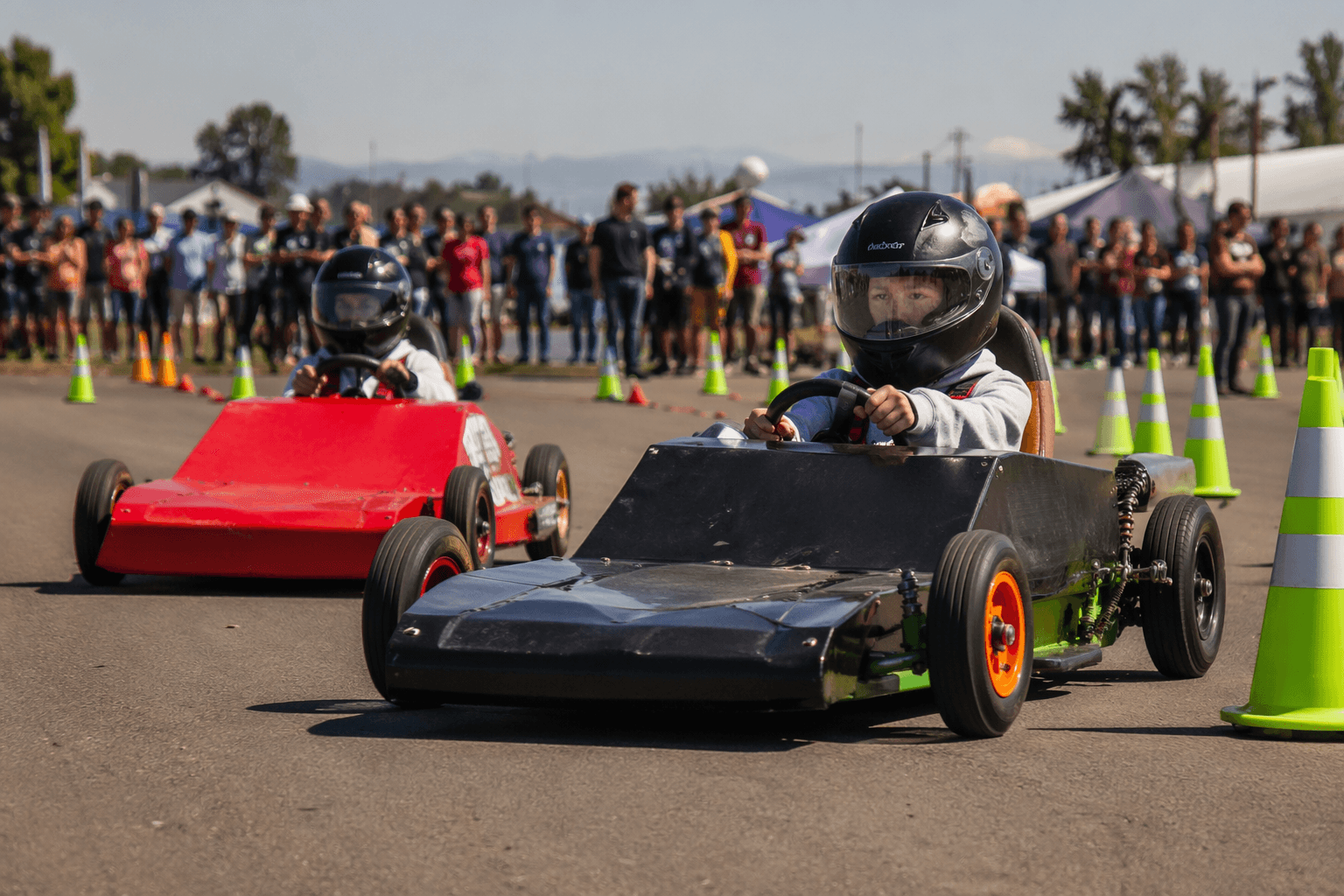
More than 100 Lane County middle school students rolled into the Lane County Fairground Auditorium with cars they had designed, built and tested themselves, then raced 63 mini electric vehicles in front of judges and families. Before the starting line, each car was inspected and scored on design, making the EWEB EV Challenge as much a showcase for craftsmanship and problem-solving as for speed.
The competition brought together 141 students from across the county and capped months of school-year work on energy production, electric vehicles, gearing, aerodynamics and friction. EWEB’s education materials say students also worked with drag, inertia, speed, momentum and gravity while learning how design choices affect how a car performs on the track. The event ran from 10:00 a.m. to 1:30 p.m. on June 6, 2024, and returned to the fairgrounds for the first time since the pandemic.
EWEB has run the program under different names for decades. It began in 1997 as the Solar Challenge and was rebranded in 2022 as the EV Challenge, reflecting the shift toward electric transportation while keeping the same classroom-to-competition model. The utility says the program is meant for middle school students to use science, technology, engineering, art and math to design, build and race mini zero-emission cars.
The challenge reaches students in Eugene School District 4J, Springfield School District, Bethel School District and McKenzie School District, tying a single event to a broader network of school partnerships. In a 2024 board report, EWEB said 1,345 students from 18 classrooms were participating in the EV Challenge, a sign of how far the program reaches beyond one race day.
Tana Shepard, identified by EWEB as the Eugene 4J grant coordinator and by KEZI as the utility’s climate, energy and conservation specialist, has framed the work as more than a science exercise. She said the skills students practice, especially creativity, innovation and collaboration, are highly marketable. EWEB says that larger goal is part of its education mission and its workforce-development work, supported by the Oregon Clean Fuels Program.
For Lane County, the event offered a visible glimpse of a clean-energy pipeline already taking shape in local classrooms. Students did not just hear about engineering or electrification. They built it, adjusted it and raced it in public, one small car at a time.
This article was produced by Prism’s automated news system from verified source data, official records, and press releases, then run through automated quality and moderation checks before publishing. The system is built and supervised by the people who set the standards it runs under. Read our full AI policy.
Know something we missed? Have a correction or additional information?
Submit a Tip