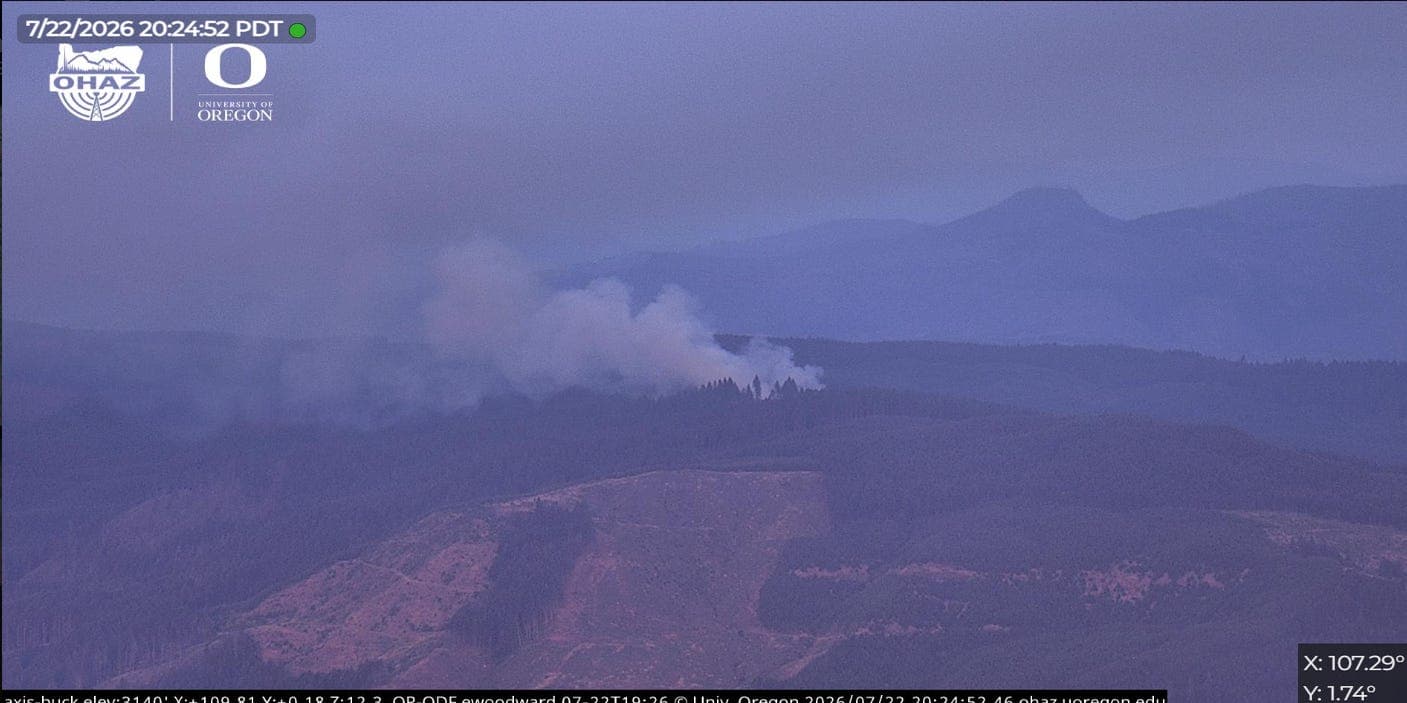
Lane County seeks resident input for updated wildfire protection plan
Lane County is asking residents to share how they harden homes against fire as it updates the 2020 wildfire plan for forestland and WUI neighborhoods.
Lane County Emergency Management is asking residents to share what they are doing to reduce wildfire risk at home as the county updates its 2020 Community Wildfire Protection Plan with fire agencies and other stakeholders across Lane County.
The brief survey is part of that update and builds on a survey released in fall 2025 that asked Lane residents how wildfire and smoke affect them. A CWPP is a plan communities create with local and state partners to reduce wildfire risk, and officials are using the latest round of feedback to better understand how households are preparing before fire season turns dangerous.
Lane County is nearly 90 percent forestland and has a large number of dwellings and other structures scattered through wildland-urban interface areas. In Eugene, Springfield, Cottage Grove, Florence, Veneta and Oakridge, as well as rural neighborhoods along forested slopes and travel corridors, the county’s wildfire planning pages identify smoke, evacuation concerns, road access and the challenge of getting the right warning to the right people fast enough. First responders use Lane Alerts to send emergency information, including evacuation notifications.

Lane Fire Authority urges residents to create defensible space around homes and neighborhoods. Lane County Emergency Management, working with community planholders, updated the Multi-Jurisdictional Natural Hazard Mitigation Plan in October 2023, and that plan is set to expire in 2028.
Lane County adopted its 2020 Community Wildfire Protection Plan on Aug. 25, 2020, and the current update is intended to replace it with a newer version built with local and state partners. Residents can take the brief survey through the county’s 2025 CWPP Update page, giving officials direct input on how people are reducing fire risk around their residences and what preparedness priorities should come next.
This article was produced by Prism’s automated news system from verified source data, official records, and press releases, then run through automated quality and moderation checks before publishing. The system is built and supervised by the people who set the standards it runs under. Read our full AI policy.
Did this article answer your question?