Lane County weighs closing transfer stations to close waste budget gap
Lane County is eyeing transfer station closures as it tries to patch a $3 million waste budget gap, a move that could push rural families farther for legal dump runs.
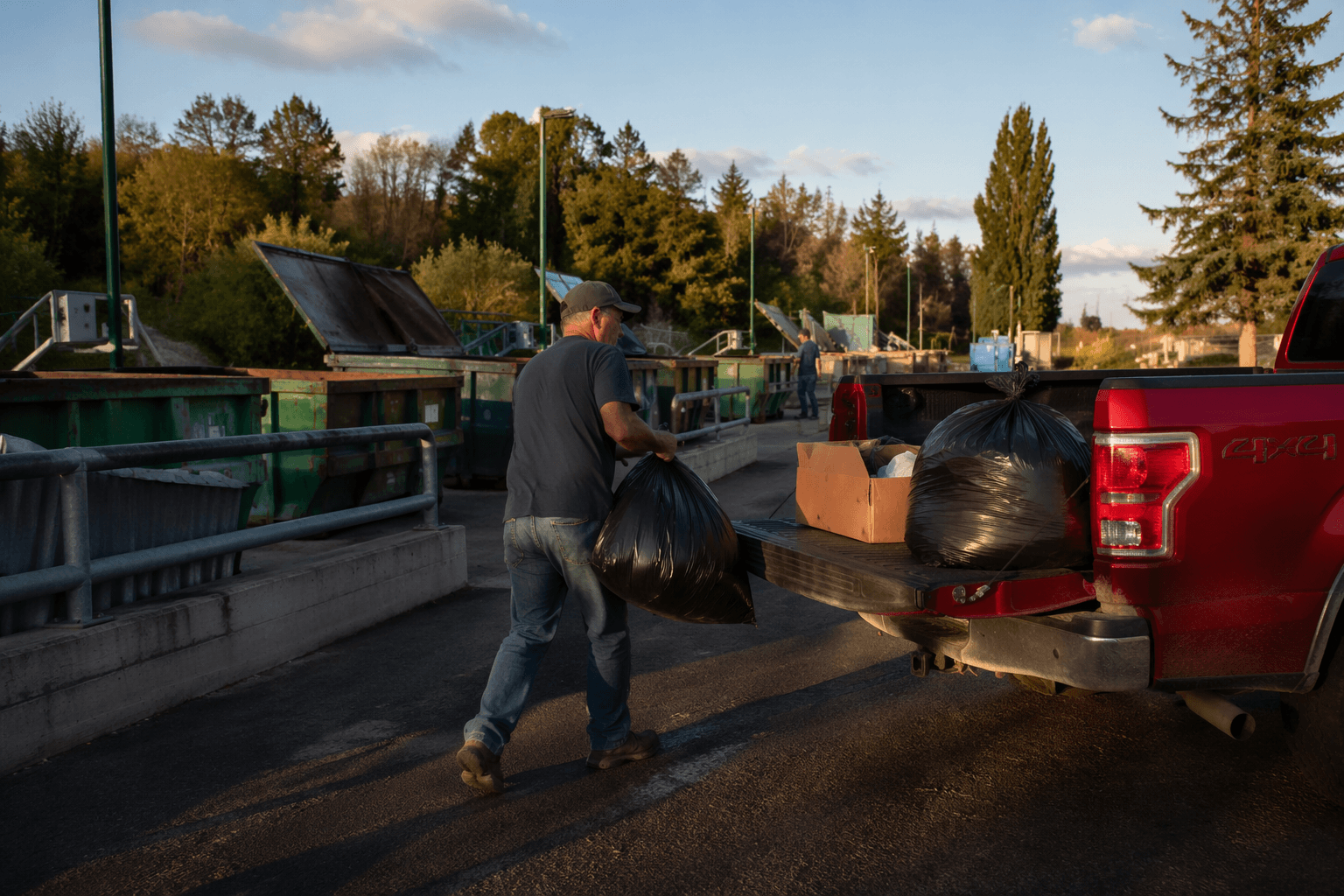
Lane County is weighing one of its bluntest budget tools: closing some solid-waste transfer stations to help cover a waste-management shortfall of roughly $3 million. That would not just trim a line item. It could change where families in Cottage Grove, Creswell, Florence, Glenwood, Veneta and other outlying communities take garbage, recycling and debris, and how far they have to drive to do it.
The county says garbage fees fund all programs in the Waste Management Division, and no income or property taxes pay for them. About half of each garbage fee goes to the System Benefit Fee, which helps support free household hazardous-waste disposal, access to 15 transfer stations and recycling education. If a station closes, the impact would land directly on households and small businesses that now rely on nearby drop-off sites rather than a long haul into the Eugene-Springfield area.
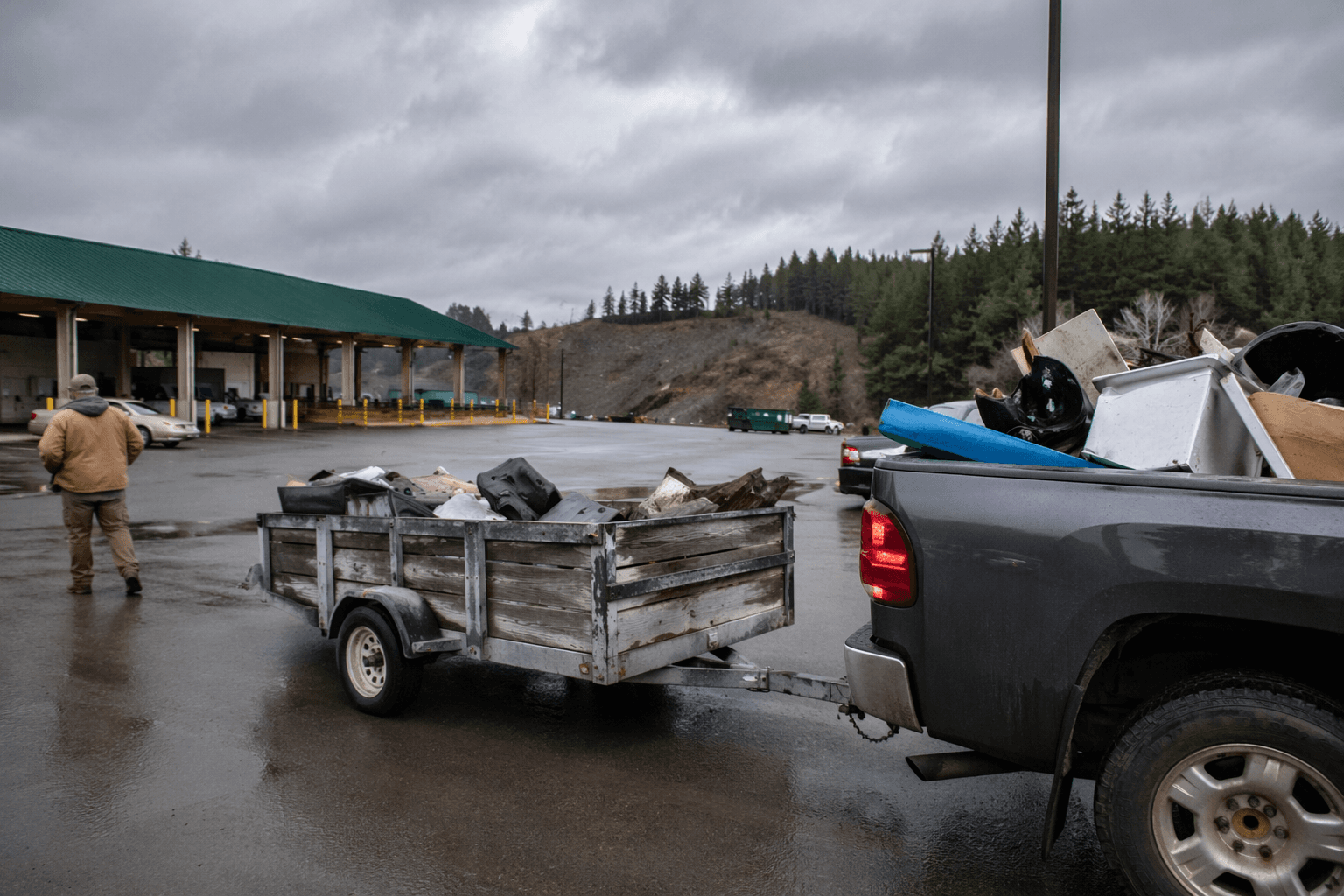
Lane County says its current transfer-station network includes sites in Cottage Grove, Creswell, Florence, Glenwood, London, Low Pass, Marcola, McKenzie Bridge, Oakridge, Rattlesnake, Sharps Creek, Swisshome, Veneta, Vida-Leaburg and Walton. Rural sites other than Glenwood also have a 10-cubic-yard daily garbage drop-off limit per customer, underscoring how tightly the system is managed even before any closures. A shutdown at one site would likely mean more fuel, more time on the road and more pressure on the remaining stations.
The stakes are especially high in places where the transfer station is the nearest legal disposal option. Glenwood is a key site because it offers year-round household hazardous-waste appointments and serves as a critical backup point in the county’s system. Lane County also recently sought a $171,000 grant to install permanent backup power at Glenwood and Florence, another sign that officials view those sites as essential infrastructure, not optional amenities.
The budget squeeze comes after a turbulent financial year for county waste services. Lane County approved a $1.2 billion budget on May 28, 2026, with cuts that included waste management, and the waste-management fund faced a $4.3 million revenue shortfall in late 2025 amid a fee dispute involving Sanipac. That wider pressure helps explain why county leaders are now looking at service reductions that would shift costs and hassle onto outlying households.
The county had already been searching for a longer-term fix. In December 2023, the Lane County Board of County Commissioners voted 3-2 to build the CleanLane, or IMERF, waste-processing facility in Goshen, a regional project described as capable of diverting more than 80,000 tons of waste a year. But the Oregon Land Use Board of Appeals denied the application, and the Oregon Court of Appeals later upheld that denial, leaving Lane County with fewer big-system options and more immediate choices about what to cut.
This article was produced by Prism’s automated news system from verified source data, official records, and press releases, then run through automated quality and moderation checks before publishing. The system is built and supervised by the people who set the standards it runs under. Read our full AI policy.
Know something we missed? Have a correction or additional information?
Submit a Tip