Oregon House Passes Urgent Care Standards Bill Amid Lane County Health Concerns
Lane County's Eve Gray told lawmakers urgent care inconsistency pushes patients to ERs. HB 4107 passed the Oregon House 41-0 on Feb. 18.

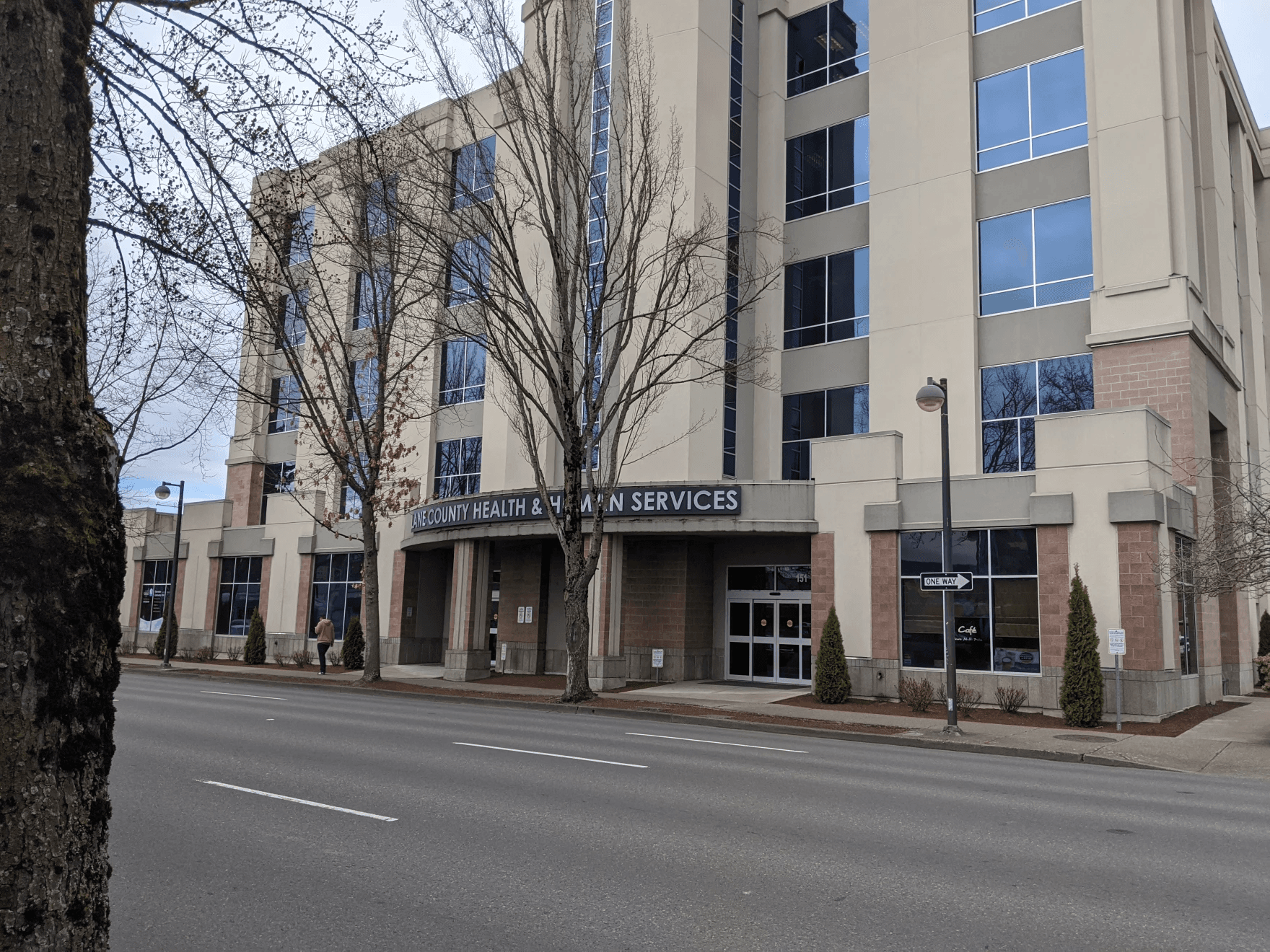
Eve Gray, director of Lane County Health and Human Services, put the problem plainly when she submitted testimony to state lawmakers: patients, even well-informed ones, default to hospital emergency departments because they cannot predict what their neighborhood urgent care clinic actually offers. House Bill 4107, which passed the Oregon House 41-0 on Feb. 18 with 19 legislators excused, is designed to fix exactly that.
The bill, championed by Rep. Nancy Nathanson (D-North Eugene) and Sen. Floyd Prozanski (D-Springfield and Eugene), would require any clinic operating under the "urgent care" label to provide tests for common respiratory diseases, splints for strains, sprains, and fractures, and sutures for simple lacerations. Clinics would also be required to post near their entrance and on their website a description of available services, the types of health care professionals on-site, insurance accepted, and any affiliated clinics, giving patients a way to check before they arrive.
"Urgent care is supposed to be a place you go when you're sick and don't have to be treated in a hospital," Gray told lawmakers. "Unfortunately, there is little consistency among urgent cares in terms of the services they provide. This leads community members, even informed community members like me, to lean toward the ED if they're not sure whether they can be treated in an urgent care."
The legislation arrives as pressure on local emergency departments has been mounting. Long waits at PeaceHealth Sacred Heart Medical Center at RiverBend in Springfield have drawn attention, and state Rep. Julie Fahey has flagged healthcare access problems in both Eugene and Veneta. Lane County's broader provider shortages mean that patients who might otherwise see a primary care doctor are turning to urgent care or ERs for lack of options.
Nathanson framed the bill as foundational rather than sweeping. "This bill is a common-sense starting point to help patients choose an urgent care clinic appropriate for their situation," she said. "It sets minimum standards for urgent care clinics that can help patients seeking non-emergency care and relieve pressure on hospital emergency departments."
The Oregon Academy of Family Physicians backed the measure, with lobbyist Iris Maria Chavez telling the committee that months-long waits for primary care appointments make standardized urgent care data valuable for health care leaders trying to understand where patients are seeking treatment.
Support also crossed the public-private divide. Brent Kell, CEO of Valley Immediate Care, a for-profit company operating six clinics from Grants Pass to Ashland, argued the industry itself needs the clarity. "If we're going to expect patients to select the right place to go for their illness or injury, we have to standardize what that means," Kell said.
HB 4107 builds on a previous Nathanson proposal that would have created a public registry requiring urgent care facilities to list their address, hours, affiliations, provider types, and diagnostic services. That earlier effort stalled, but the current bill incorporates the core service requirements from that framework.
Prozanski noted the bill's longer arc. "This bill builds on years of work with local health officials and clinics to relieve pressure on our emergency departments by referring patients to the appropriate level of care," he said. "It incorporates stakeholder input from the healthcare industry, and I am looking forward to its consideration in the Senate."
The House passed the bill without a single recorded vote in opposition. It now heads to the Oregon Senate, where no hearing date has been announced.
This article was produced by Prism’s automated news system from verified source data, official records, and press releases, then run through automated quality and moderation checks before publishing. The system is built and supervised by the people who set the standards it runs under. Read our full AI policy.
Did this article answer your question?