Protesters decry planned federal fence at Eugene courthouse as wasteful
A temporary federal fence could block Pearl Street access and reshape downtown Eugene for two years as protesters called the city’s $20,000 workaround wasted.
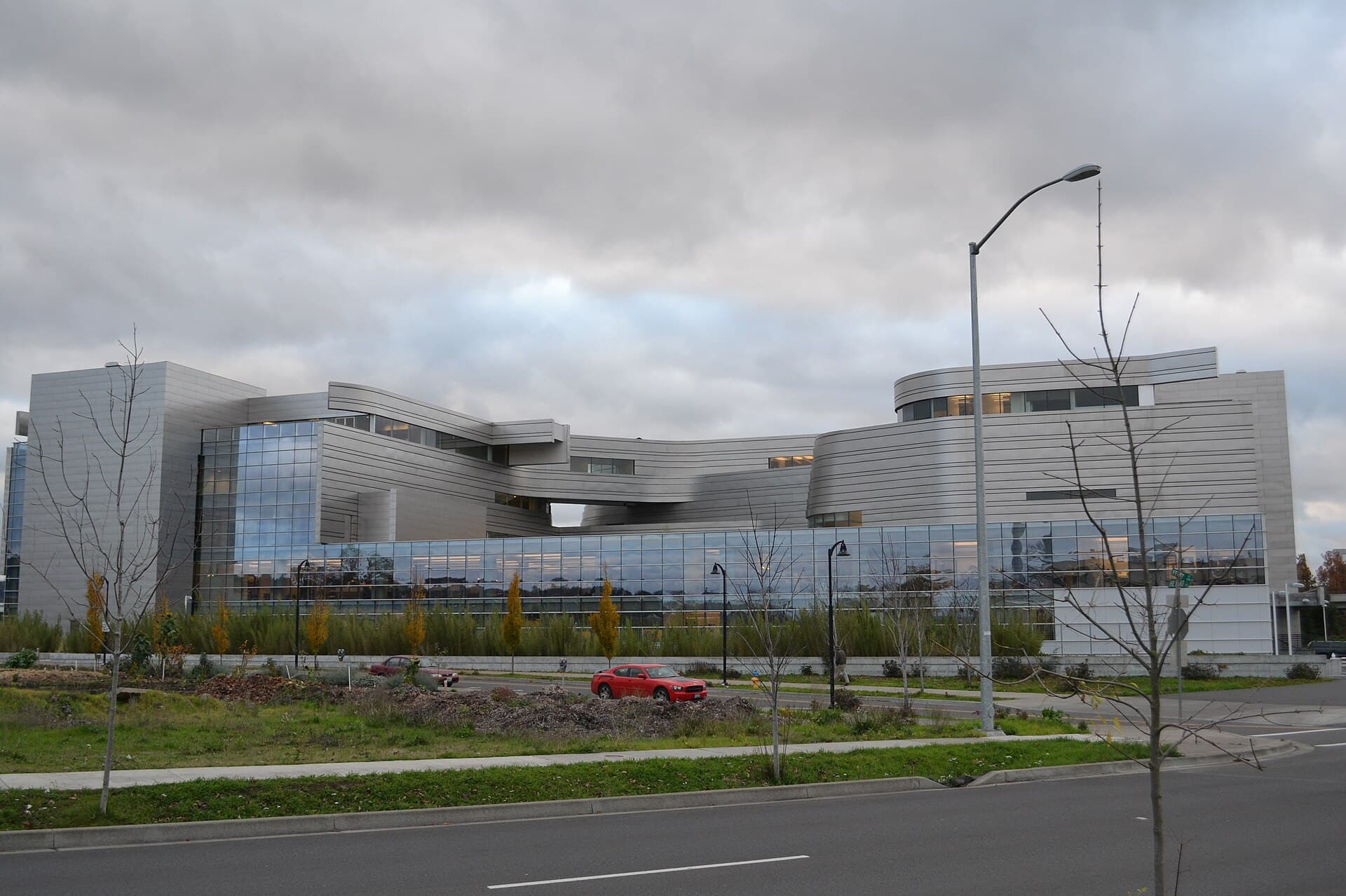
Protesters gathered outside the Eugene Federal Building in downtown Eugene on Tuesday, warning that a planned federal security fence would close off a familiar public space, narrow pedestrian access on Pearl Street and turn the courthouse block into something more guarded and less open. The building also houses an Immigration and Customs Enforcement field office, making it one of the most contested sites in the city during the second Trump administration.
The City of Eugene said it could not stop the project because the building sits on federally controlled property. City officials said the federal government does not need city approval to move ahead, and that local fence code does not apply on federal land. The city’s role has been limited to processing a right-of-way permit and making sure the public walkway stays safe and accessible.
To do that, city contractors repurposed part of a parking strip on Pearl Street and built a temporary pedestrian path. The city said that sidewalk work will cost about $20,000 from its road fund. That small local expense has become part of the larger criticism from protesters, who argue the federal plan is wasting taxpayer money while making downtown Eugene less walkable and less welcoming.
The tension around the building has been building for months. A Jan. 30 anti-ICE protest at the site was declared a riot by Eugene police after windows were broken and crowds clashed with federal agents. Local officials and protesters say the federal building has also faced near-daily demonstrations since early July 2025. After a weekend of protests that included damage to the building and repeated dispersals by federal police using tear gas and other chemical agents, Gov. Tina Kotek traveled to Eugene as the confrontation escalated.
At an April 13 Eugene City Council meeting, dozens of residents, organized in part by 50501 Eugene, urged the city to stop cooperating with the fence plan. The federal government’s planning records indicate large stretches of the plaza and surrounding area could be fenced off for two years, though a designated protest area would remain open so demonstrators can still exercise First Amendment rights. The U.S. General Services Administration has said the fence is needed to protect building occupants and the facility itself and to allow repairs after damage.
This article was produced by Prism’s automated news system from verified source data, official records, and press releases, then run through automated quality and moderation checks before publishing. The system is built and supervised by the people who set the standards it runs under. Read our full AI policy.
Did this article answer your question?