Wrong-way Beltline chase ends with Springfield arrest
A wrong-way driver on the Beltline led police through Eugene-Springfield before the chase ended in Springfield with an arrest.
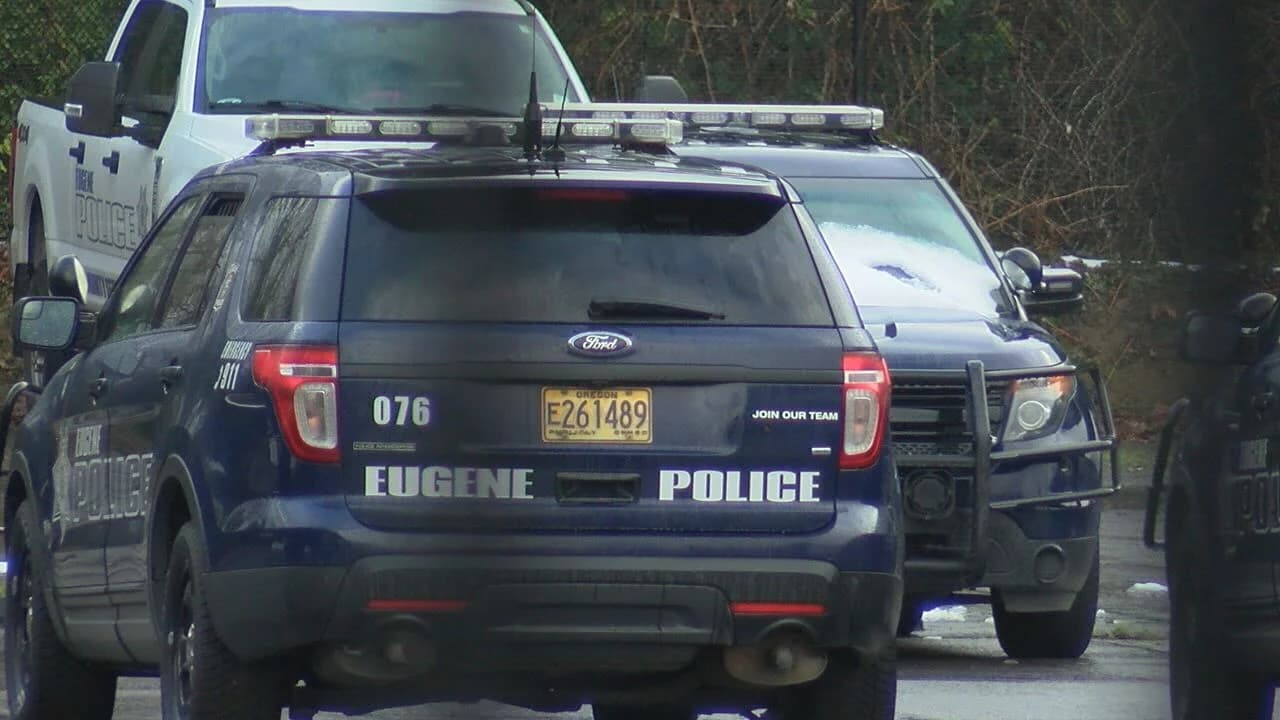
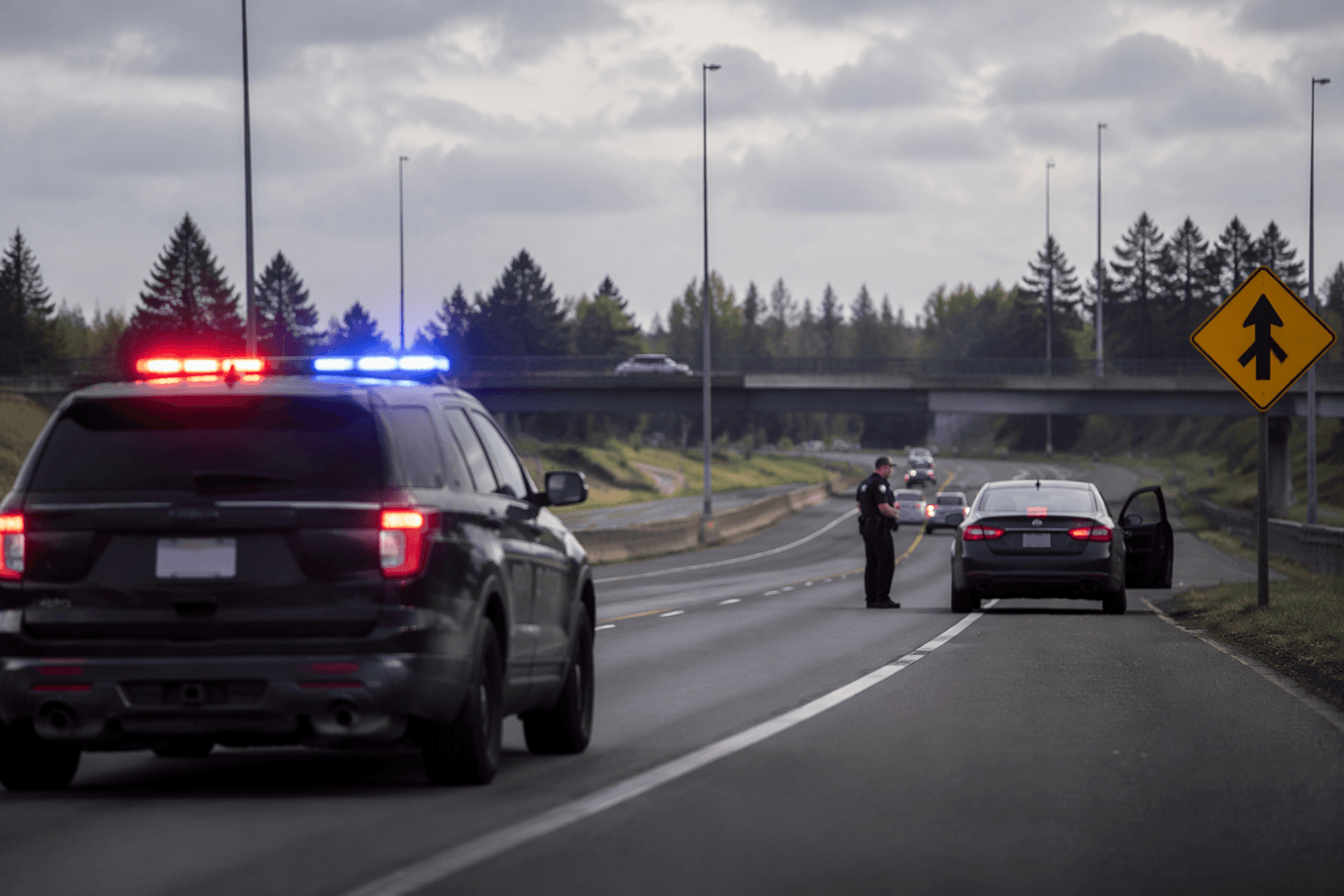
A wrong-way driver on the Beltline led police through Eugene-Springfield and ended with an arrest in Springfield, turning one of Lane County’s busiest commuter roads into a fast-moving public-safety threat. The Beltline carries freight, commuters and local traffic through the west and central parts of the metro area, where a vehicle moving the wrong direction can force split-second evasive moves.
That is what makes wrong-way driving so dangerous on this corridor. Drivers on the Beltline expect traffic to move in a predictable direction, and when that expectation breaks, the risk of a head-on collision or a chain reaction of swerving rises immediately. Because the roadway links Eugene and Springfield so closely, a chase can move across city boundaries in real time before officers bring it to a stop.
The arrest in Springfield also puts the focus on the choices officers make once a pursuit starts. Springfield maintains a public vehicle-pursuit page, reflecting the written rules that shape how chases are handled when safety on a crowded roadway is on the line. On a route like the Beltline, those decisions can determine whether a dangerous driver is stopped quickly or keeps moving long enough to endanger more motorists.
The Beltline has already seen other serious incidents tied to dangerous driving. In one separate case, an Oregon State Police trooper was freed after a wrong-way crash on the Beltline, and the driver was arrested for DUII. Eugene has also seen high-speed chases end in arrest, another reminder that the corridor is not just a shortcut around town but a place where enforcement and commuter risk can collide.
The Springfield arrest closed this chase, but the route it took ran through a corridor that millions of local trips depend on. On the Beltline, wrong-way driving is not a routine traffic violation. It is a direct hazard to everyone caught in its path.
This article was produced by Prism’s automated news system from verified source data, official records, and press releases, then run through automated quality and moderation checks before publishing. The system is built and supervised by the people who set the standards it runs under. Read our full AI policy.
Did this article answer your question?