Fort Carson Artillery Training Planned at Piñon Canyon Amid High Fire Danger Fears
Fort Carson plans to fire 155-mm artillery shells at Piñon Canyon this May while two fires already burn on the post. Trinidad resident Doug Holdread calls conditions "dangerously dry."
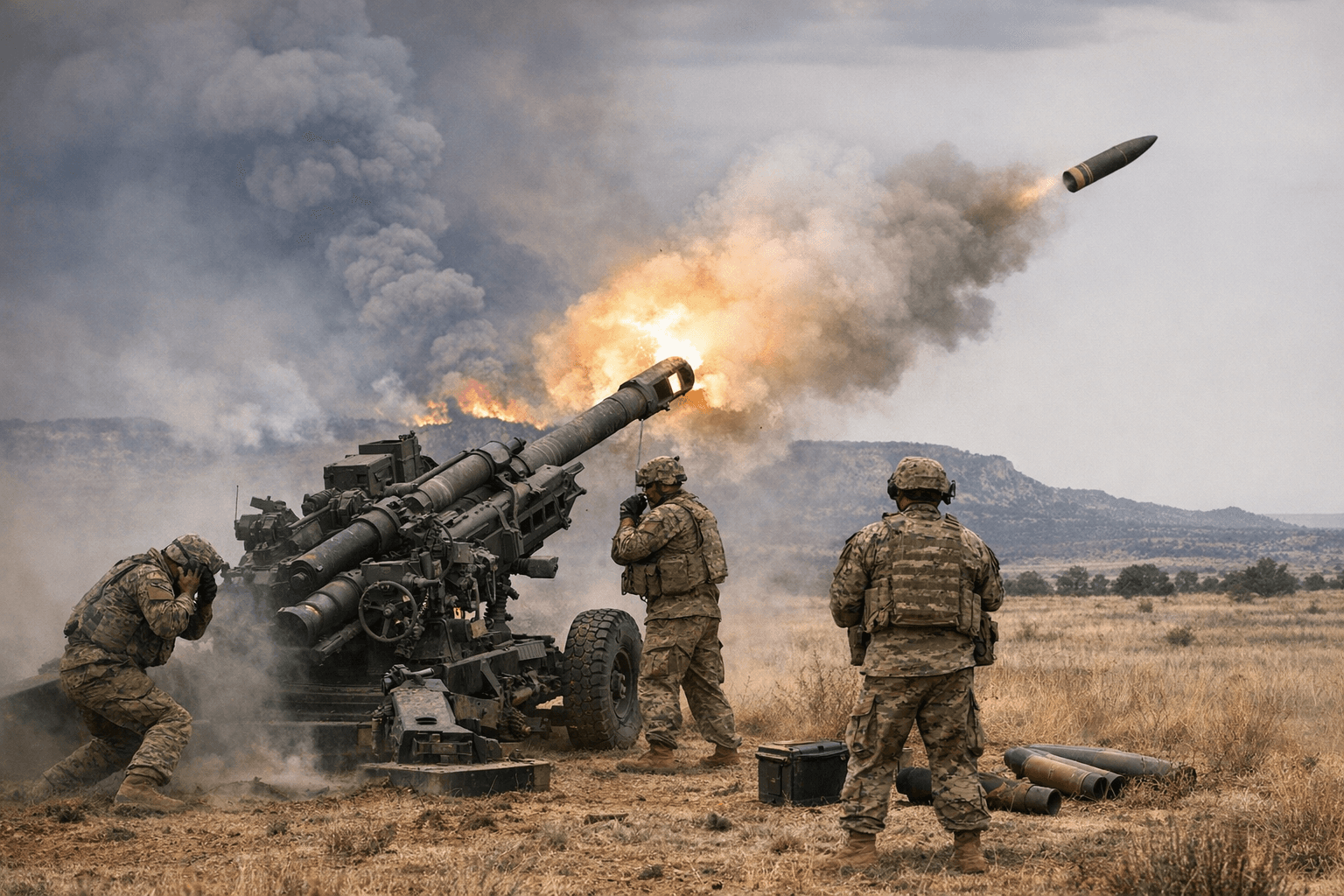
Two fires are already burning on Fort Carson, one of which grew from 80 acres to more than 1,000 in two days after ripping through its containment lines, and the Army is moving ahead with plans to fire 155-millimeter artillery shells across the 235,000-acre Piñon Canyon Maneuver Training Site northeast of Trinidad this May.
Fort Carson officials presented the month-long, large-scale training plans to regional residents in February. The 155-mm training shells each contain a half pound of TNT, which Fort Carson's own documents acknowledge could ignite a fire. Apache helicopter pilots are also expected to fire 2.75-inch inert practice rockets at the site on an ongoing basis. The Army says the May exercises are designed to test a new communications system and will mark the first time soldiers fire training artillery across Piñon Canyon.
For Trinidad resident Doug Holdread, the timing could hardly be worse. "I think it's dangerously dry," he said, noting that southern Colorado felt like spring for most of the winter, with only one large snowstorm he could recall. Fire danger has been rising across Colorado due to dry conditions and high temperatures. The Fort Carson fire near Colorado 115 that blew through its containment lines last Thursday and surged past 1,000 acres is a recent and vivid example of what can happen on military land. A separate fire in early November consumed 4,000 acres on Fort Carson, and fire from artillery training and other live fire exercises is described by officials as fairly common on the base.
The Army says it is not ignoring the risk. An unnamed Fort Carson official said the military employs fire prevention measures including "prescribed burns, the removal of overgrown vegetation and debris, as well as year-round training to adequately prepare firefighters for different real-world scenarios." Mike Camp, chief of training for Fort Carson and Piñon Canyon, added that fires occur regularly across Piñon Canyon even without any artillery, driven by routine lightning strikes.
The May training is a short-term step in a larger and more contentious proposal. At a December community presentation, residents first learned that Fort Carson wants to use heavy weapons, including artillery and the High Mobility Artillery Rocket System, known as HIMARS, at Piñon Canyon on an ongoing basis. HIMARS can be used to bring down bridges or buildings, and Camp told community members that 60-mm and 120-mm mortars would be among the most frequently used weapons under the broader plan, while HIMARS use would be rare but possible. At the time of December's meeting, expanded weapon use seemed years away because required reviews under the National Environmental Policy Act had not yet begun.
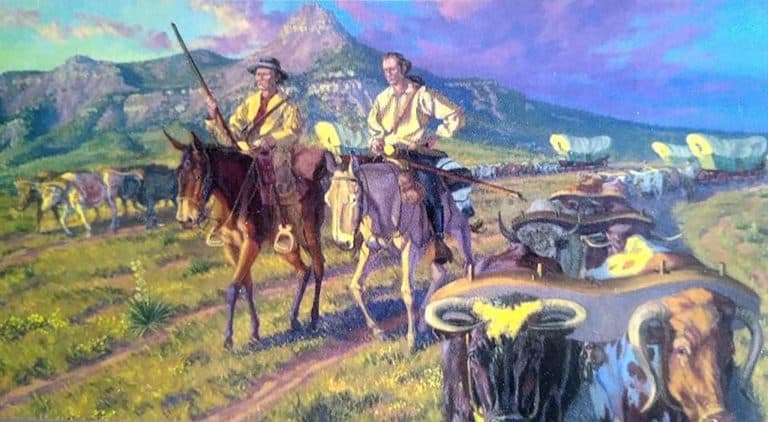
The prospect has alarmed advocates who point to what is at stake on the land. Piñon Canyon holds short-grass prairie, Native American rock art described as found nowhere else in the West, and historic sites tied to the Santa Fe Trail era. Currently, soldiers, Air Force Academy cadets and other service members who train at the site cannot fire anything larger than a .50-caliber machine gun. Camp has said many archaeological sites sit inside canyons where soldiers would not be permitted to use live rounds, and that vehicles driving through the canyons are required to stay on established roads.
Camp frames the expansion in terms of readiness: "Piñon Canyon is an incredible place to train and it is underutilized." Otero County historical preservation officer Rebecca Goodwin offered a different read on the pattern. "About every 20 years," she said, "it seems like southeast Colorado is in the sights of the Army."
Exact training dates in May and the current status of NEPA environmental reviews have not been confirmed by Fort Carson.
Know something we missed? Have a correction or additional information?
Submit a Tip