Las Animas County recording office explains deeds, liens and fees
A forged deed can quietly cloud a Las Animas County title. The clerk and recorder’s alert service helps owners catch trouble before it spreads.

A deed, lien, deed of trust, or other document can show up in Las Animas County’s recording system and affect property you thought was secure. The county’s recording office exists to preserve those documents in the public record and gives owners a way to watch for mistakes and fraud before they become expensive problems.
What the recording office handles
Under Colorado law, the county clerk serves as the ex officio recorder of deeds and must safely keep and preserve documents received for recording or filing. In Las Animas County, that includes deeds, deeds of trust, liens, DD214 military discharge records, subdivisions, judgments and decrees, federal and state tax liens, releases, incorporation documents, statements of authority, and, in some cases, marriage licenses.
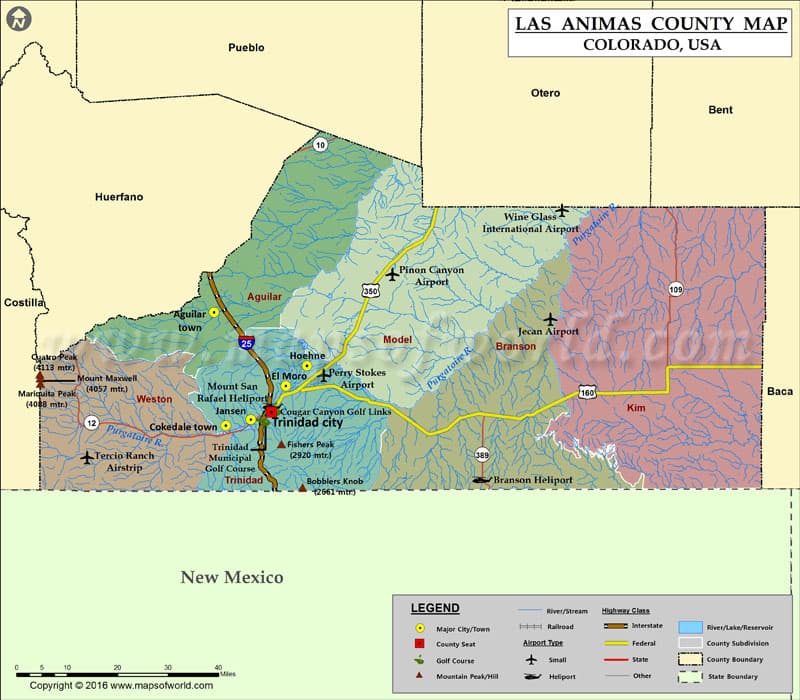
These papers can change who owns land, who has a claim against it, or how a parcel is described. If you are buying property in Trinidad, inheriting land near Aguilar or Hoehne, filing a lien on work you completed in Kim, or holding vacant acreage around Cokedale, the recording office is where the paper trail becomes official. Documents are recorded in time order as received to the best of the office’s ability, which is one reason owners should keep their own closing papers, probate records, and copies of any filing confirmations.
How to file, and why timing matters
Las Animas County accepts recordings by mail, through an e-recording vendor, or over the counter. Because a document can enter the system from different channels on the same day, the safest habit is to keep proof of when and how you submitted it.
The office’s hours for most departments are Monday through Friday, 8:00 a.m. to 4:30 p.m., which is the practical window for in-person questions or last-minute corrections. For anyone handling a closing, estate transfer, or lien release, a missing signature or incorrect legal description can delay the record and leave the property exposed to confusion.

If you are buying a home, inheriting land, or resolving a title issue, verify the exact legal description before anything is recorded. A street address alone is not enough for the record. The legal description is what the county uses to match a filing to the right parcel, and that is the same language the fraud alert system can monitor.
Fees and copy requests
The base recording fee is $43 for recording documents, with additional county and state surcharges noted on the county page. The flat fee makes the first step easy to budget, but check whether a document needs extra pages or related services.
Copies are priced separately. Standard-size copies are 25 cents per page, retrieval is $2, email is $3, and certified copies are $1 plus 25 cents per page. Certified copies are not sent electronically. They must be processed in the office and physically mailed after the mailing address is confirmed verbally.
If you are replacing a deed after a move, assembling an estate file, or sending records to an attorney or title company, a regular copy may be enough for your own files, but some transactions require a certified version. When the original has to travel by mail, build in extra time and make sure the address is correct before you leave the counter or finish the call.
The free fraud alert that can save a title
Las Animas County offers a free Document Alert service through iDoc Market. A resident can subscribe and receive an automated email any time a document is recorded in the office using that person’s name or the legal description of a property.

Title fraud usually works quietly. Colorado’s Division of Real Estate warns that a scammer can forge a deed, record it with the county, and try to create the appearance of ownership for financial gain. The warning signs are not always obvious until a sale, refinance, or estate transfer exposes the problem. A fraud alert gives owners a chance to notice an unexpected filing early, when there is still time to challenge it.
The state also advises people to monitor identity and credit and to be suspicious of unsolicited calls, emails, or texts about property. In a county with just under 15,000 residents and a wide spread of communities, this is especially relevant for vacant land, inherited parcels, and second homes, where nobody is living on the property every day to spot trouble.
What to watch right now
If you own, inherit, or manage property in Las Animas County, the most practical steps are straightforward:
- Sign up for the county’s free Document Alert using your name and the legal description of each parcel you want monitored.
- Keep copies of your deed, closing papers, probate documents, lien releases, and any recorded instruments in your own records.
- Check that every filing uses the correct legal description, not just a mailing address.
- Review your credit and identity activity, especially if you own vacant land or property that is not occupied full time.
- Treat unexpected calls, emails, or texts about your property as suspicious until you verify them through official channels.
Las Animas County cannot conduct real estate record searches for the public, so residents should not expect the office to do title work on demand.
This article was produced by Prism’s automated news system from verified source data, official records, and press releases, then run through automated quality and moderation checks before publishing. The system is built and supervised by the people who set the standards it runs under. Read our full AI policy.
Did this article answer your question?