Las Animas County touts 1,600 miles of gravel roads for cyclists
Las Animas County is using its 1,600 miles of gravel roads as a trailhead and an economic engine. Downtown Trinidad is the hub.
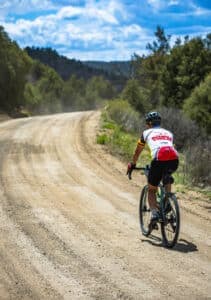
Las Animas County is turning 1,600 miles of gravel roads into a cycling calling card, and Trinidad sits at the center of it. Visit Trinidad describes the county as Colorado’s premier gravel bike destination, but the bigger story is how that road network is changing where riders stop, spend, and start their trips.
A county built for distance
At 4,775 square miles, Las Animas County is the largest county in Colorado, and that scale is exactly what gravel cyclists are chasing. Long stretches of low-traffic road create the kind of ride that is hard to find closer to the Front Range, where pavement, congestion, and suburban sprawl usually shape the experience.
The county’s appeal is not just the mileage. Visit Trinidad frames gravel cycling as a blend of Old West history and rural riding, which fits a place where the roads connect ranch country, mining towns, and historic corridors instead of commercial strips. That mix gives the county a practical advantage: riders can build a full day or weekend around Trinidad without feeling locked into a single out-and-back loop.
Trinidad as the basecamp
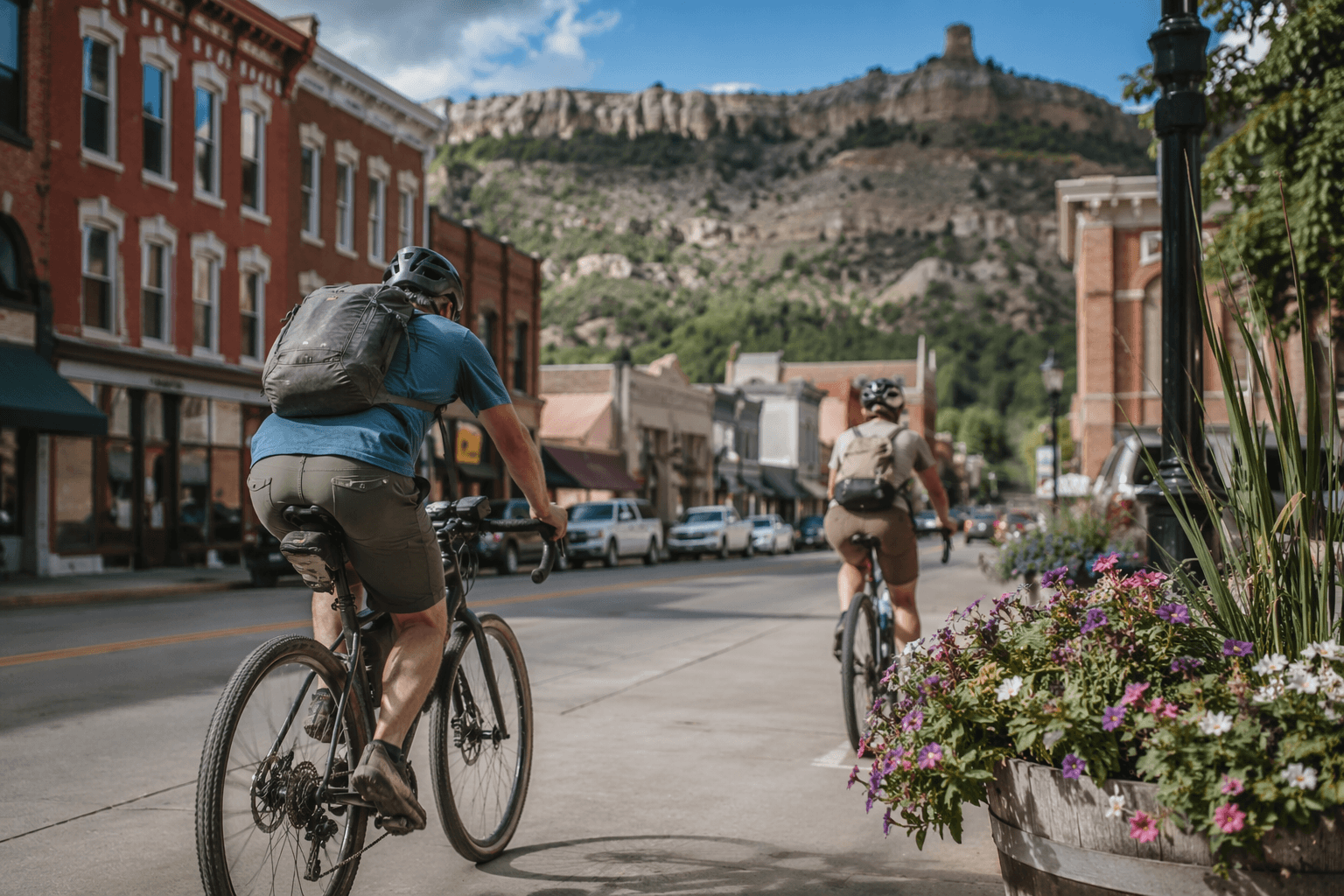
The clearest sign that this is more than a scenic talking point is the 64-page Gravel Adventure Field Guide developed by the City of Trinidad. The guide lays out 11 routes ranging from 25 to 100 miles, and Visit Trinidad says the roads are accessible right from downtown. That makes the city a true trailhead, not just a nearby stop for gas and snacks.
The tourism push also ties into RADfest, the annual event presented by LifeTime Fitness. That matters because events create a reason for riders to come at the same time, while the field guide gives them a reason to stay longer and explore beyond the festival footprint. For downtown Trinidad, that combination can mean more business for coffee shops, restaurants, lodging, bike repair, and other services that benefit when cyclists use the city as their staging point.
It also raises the practical questions that come with any growing recreation economy. Signage becomes more important when visitors are following a web of rural roads. Safety and road conditions matter more when those roads stretch across 4,775 square miles, and the county’s winter conditions add another layer of planning on routes that climb into higher country.
The ride that explains the appeal
The strongest single example is the Stonewall Century Ride. Visit Trinidad describes it as a 102-mile out-and-back route with 7,500 feet of elevation gain that follows the Highway of Legends Scenic Byway, climbs to Cucharas Pass at 9,945 feet, and includes stops in Stonewall and Segundo.
That ride shows why Las Animas County stands out in the gravel world. It is long enough to challenge endurance riders, high enough to feel like mountain riding, and rooted in named communities that give the route a sense of place. The byway itself is about 82 miles between Trinidad and Walsenburg, and Colorado Department of Transportation says its extension runs from Aguilar on I-25 west over the 11,248-foot Cordova Pass, with a gravel section that closes in winter.
Those details matter for riders choosing when to come and how to plan. A gravel trip here is not a casual spin through town; it is a ride that can involve altitude, changing surfaces, and seasonal access. That is part of the draw, but it also means the county’s growth as a cycling destination depends on clear route information and realistic expectations about weather, terrain, and road conditions.
History is part of the route
Las Animas County’s gravel story makes more sense when you look at the county’s past. The county was established in 1866, Trinidad was named the county seat, and by the late 1860s the town had about 1,200 residents. Colorado Encyclopedia says William Jackson Palmer’s coal exploration in 1867 helped shape the county’s industrial future, and Trinidad became a major coal-mining center beginning around 1871.
That history is still visible in the terrain cyclists ride today. The county’s roads thread through places shaped by mining, rail, ranching, and small-town development rather than modern subdivision patterns. Colorado Encyclopedia also places the Ludlow Massacre on April 20, 1914, in the coalfields north of Trinidad, underscoring how closely the county’s landscape is tied to labor, industry, and migration.
Even local history projects reflect that connection. The Trinidad Historical Society republished an expanded edition of Stonewall Valley, Gateway to the Culebras in December 2016, reinforcing Stonewall’s place in the county’s historical memory. For riders, that means the names on route maps are not empty markers; they point to communities with their own stories.
A tourism opportunity with local stakes
The gravel surge did not appear overnight. In 2019, a Colorado Tourism Office-supported campaign was launched for Trinidad-Las Animas County by Backshop Bicycle Travel Supply, and later coverage said the area became one of Colorado’s most talked-about gravel destinations in just a few years. National Association of Counties described the county’s carefully maintained gravel roads as an unexpected asset once cyclists began flocking to ride them.
That growth creates a straightforward economic opportunity. More riders can mean more lodging nights, more meals downtown, and more demand for local services. It also creates a planning test: if the county wants the benefits to last, it will need to keep thinking about signage, road maintenance, winter access, and the infrastructure that helps visitors move safely from downtown Trinidad to Stonewall, Segundo, Cucharas Pass, and the other roads that now define the county’s cycling identity.
Las Animas County is not selling a postcard version of itself. It is offering a working road network, a big one, and the question now is how well Trinidad and the surrounding communities can turn that network into lasting local value.
This article was produced by Prism’s automated news system from verified source data, official records, and press releases, then run through automated quality and moderation checks before publishing. The system is built and supervised by the people who set the standards it runs under. Read our full AI policy.
Did this article answer your question?