Mt. San Rafael Hospital honored as community anchor in Las Animas County
Mt. San Rafael Hospital’s Hospital Week spotlight is really about access: in a county this large, the staff at 410 Benedicta Avenue keep trauma care, surgeries and outpatient visits close to home.
Why National Hospital Week matters here
Mt. San Rafael Hospital is one of the few places in Las Animas County where a broken bone, a chronic condition, a scan, a surgery, and a middle-of-the-night emergency can all meet the same local response. During National Hospital Week, that role matters just as much as the celebration itself, because the hospital is not only a healthcare provider in Trinidad, it is part of the county’s daily infrastructure.
National Hospital Week runs May 10-16, and the American Hospital Association frames it as a time to recognize hospitals, health systems and health care workers while highlighting stronger communities. In Las Animas County, where 14,555 people were counted in the 2020 Census and 8.4% of residents lacked health care coverage in 2024 ACS estimates, that message lands as a practical issue, not a slogan.
A rural hospital with deep roots
Mt. San Rafael Hospital says it has served Trinidad and surrounding communities since opening in 1972, but its history reaches much farther back. The hospital’s history page traces its origins to 1889, when the Sisters of Charity of Cincinnati opened a two-story, 40-bed hospital on land donated by Dr. Barron Beshoar.
That long arc helps explain why the hospital carries so much weight in a county that stretches across 4,772.9 square miles of land area, the largest county in Colorado by total area. When one institution has to serve a vast geography, access is never abstract. It is about whether a family can get care without leaving home, whether a patient can be stabilized quickly, and whether routine treatment can happen before a problem becomes an emergency.
What the hospital provides every day
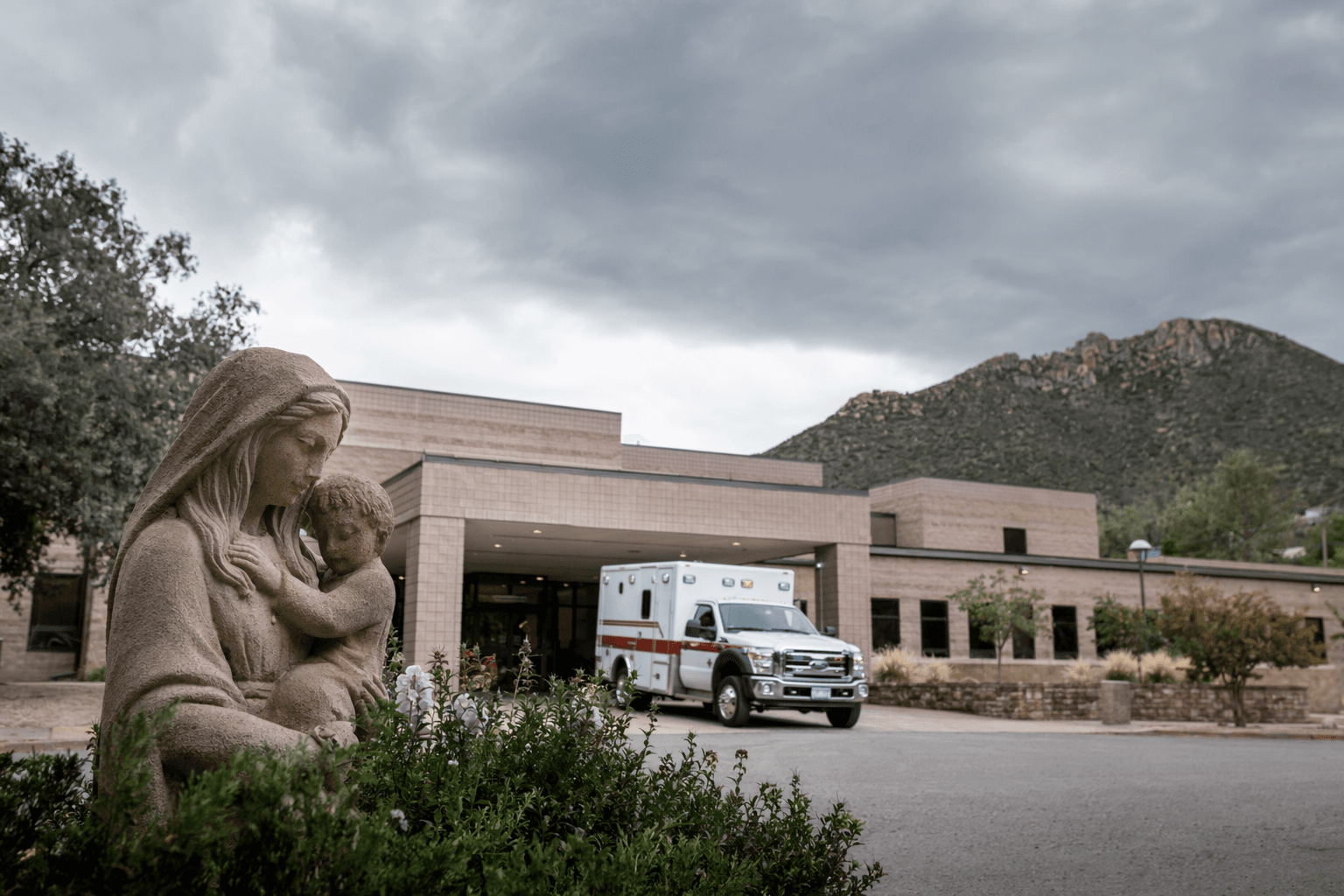
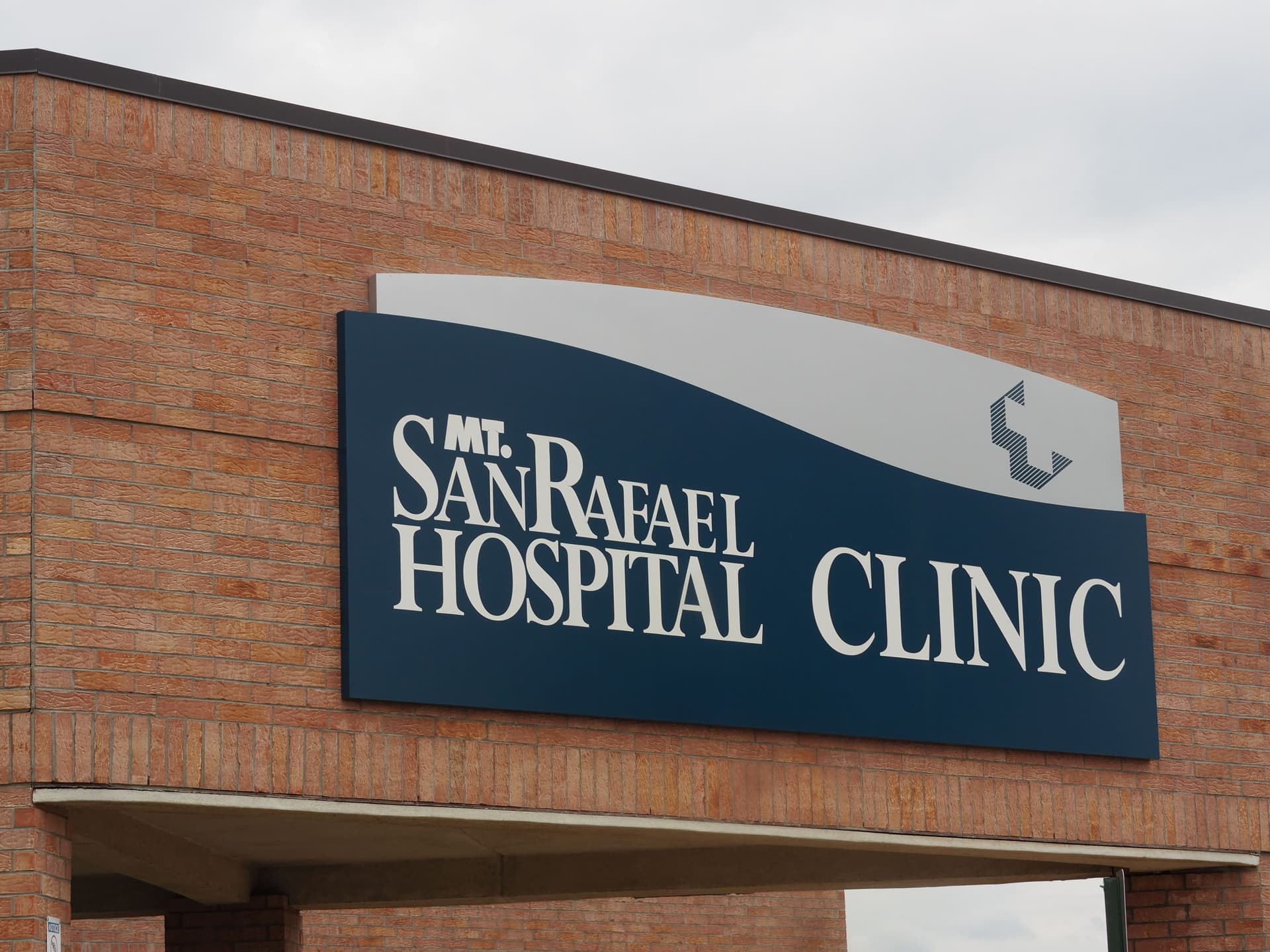
Mt. San Rafael is a 25-bed critical access facility at 410 Benedicta Avenue in Trinidad, and it says it provides inpatient, outpatient and emergency room care while participating in Medicare and Medicaid. Its emergency department offers 24-hour service and carries a level IV trauma designation, which makes it a key local point of response when time matters most.
The services list is broad for a rural hospital, and that breadth is exactly what gives the facility its value. It includes cardiopulmonary therapy, diabetic education, diagnostic imaging, gynecology and women’s health, inpatient pharmacy, nutrition services, outpatient specialty clinics, pathology and laboratory services, a medical-surgical unit and infusion suite, rehabilitation services, a rural health clinic and surgical services. In a county where specialty care can be difficult to replace, each of those departments helps keep residents from having to choose between care and distance.
The stakes when staffing slips
National Hospital Week usually honors the people who keep a hospital running: nurses, doctors, technicians, aides, therapists, environmental services staff, administrative teams and many others whose work is easy to overlook until a family needs help. At Mt. San Rafael, that labor is visible in the names attached to leadership as well as in the daily rhythm of care.
The hospital’s board and senior leadership include Kim Lucero, Shannon Castellano, Calvin Carey, Michael Archuleta, Kathleen Griego, Toni DeAngelis, Jun Flores, Joe DeGarbo, Damian Mizera, Pamela Salapich Nelson, Mike Tranter and Douglas McFarland. Those names matter because a rural hospital does not function on reputation alone; it functions when staffing is steady, when equipment works, when the lab is ready, when the emergency department is covered, and when the next appointment is available.
If those roles go unfilled, the effects are felt quickly. Families can face longer waits for routine care, thinner support for chronic conditions like diabetes, less continuity for rehabilitation and specialty visits, and more pressure on emergency services when local options are limited. In a county this large, the loss of one department or one shift is not a small inconvenience. It can change where people go for care and how quickly they get it.
The numbers show how heavily the hospital is used
The hospital’s own activity levels make the case for why staffing and stability matter. A nonprofit profile reports that Mt. San Rafael recorded 1,701 patient days, 10,132 emergency room visits, 703 surgeries and 43,685 outpatient visits in 2024.
Those figures show a facility doing the work of a major community hub, not a symbolic institution kept alive for appearances. When a hospital serves that many people in a rural county, every nurse shift, every lab result, every transport decision and every outpatient appointment becomes part of public health. That is especially true in a place where the hospital is also an employer, a referral point and a source of reassurance when something goes wrong.
Recognition that reflects more than ceremony
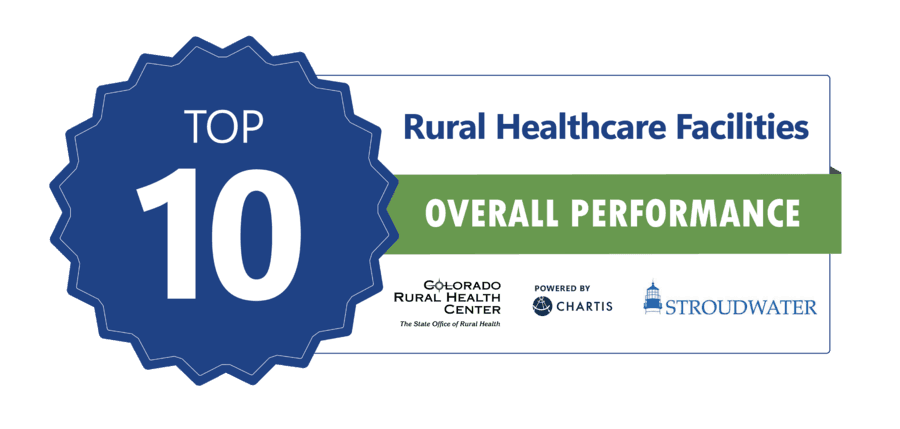
Mt. San Rafael’s recent recognition is important because it tracks performance, not just sentiment. The hospital says it has earned a Performance Leadership Award for Quality & Outcomes three years in a row, and it says Chartis Center for Rural Health named it a Top 20 Critical Access Hospital in the United States, a Top 10 Rural Healthcare Facility in Colorado for overall performance, and a Top 100 Critical Access Hospital for 2025.
The hospital also says nurses received Nightingale Award nominations and that the institution was named a U.S. Best-in-Class Employer by Gallagher. Those honors do not erase the pressures of rural care, but they do suggest that the hospital is being measured on the very things patients depend on most: quality, outcomes, and the ability to keep serving a geographically dispersed community.
Why this week lands close to home
The biggest takeaway from National Hospital Week in Las Animas County is not celebration for its own sake. It is the reminder that local care only works when enough people show up, stay trained, and keep the system moving from the front desk to the trauma bay.
Mt. San Rafael describes itself as family-centered and says it continues to make facility improvements, acquire new technology and attract physicians. In a county where access to healthcare is shaped by distance, insurance coverage, workforce stability and the plain reality of rural life, that commitment is not just good institutional news. It is a community safeguard.
This article was produced by Prism’s automated news system from verified source data, official records, and press releases, then run through automated quality and moderation checks before publishing. The system is built and supervised by the people who set the standards it runs under. Read our full AI policy.
Did this article answer your question?