Police Blotter Shows Rising Calls, Highlights Community Needs
The Trinidad police blotter from 12/16 to 12/21 documented dozens of dispatches including campsite and transient reports, civil stand bys, suspicious person checks, traffic monitoring and medical calls. The pattern matters for local residents because it exposes winter public health risks, gaps in shelter and mental health services, and ongoing public safety and traffic concerns in Las Animas County.
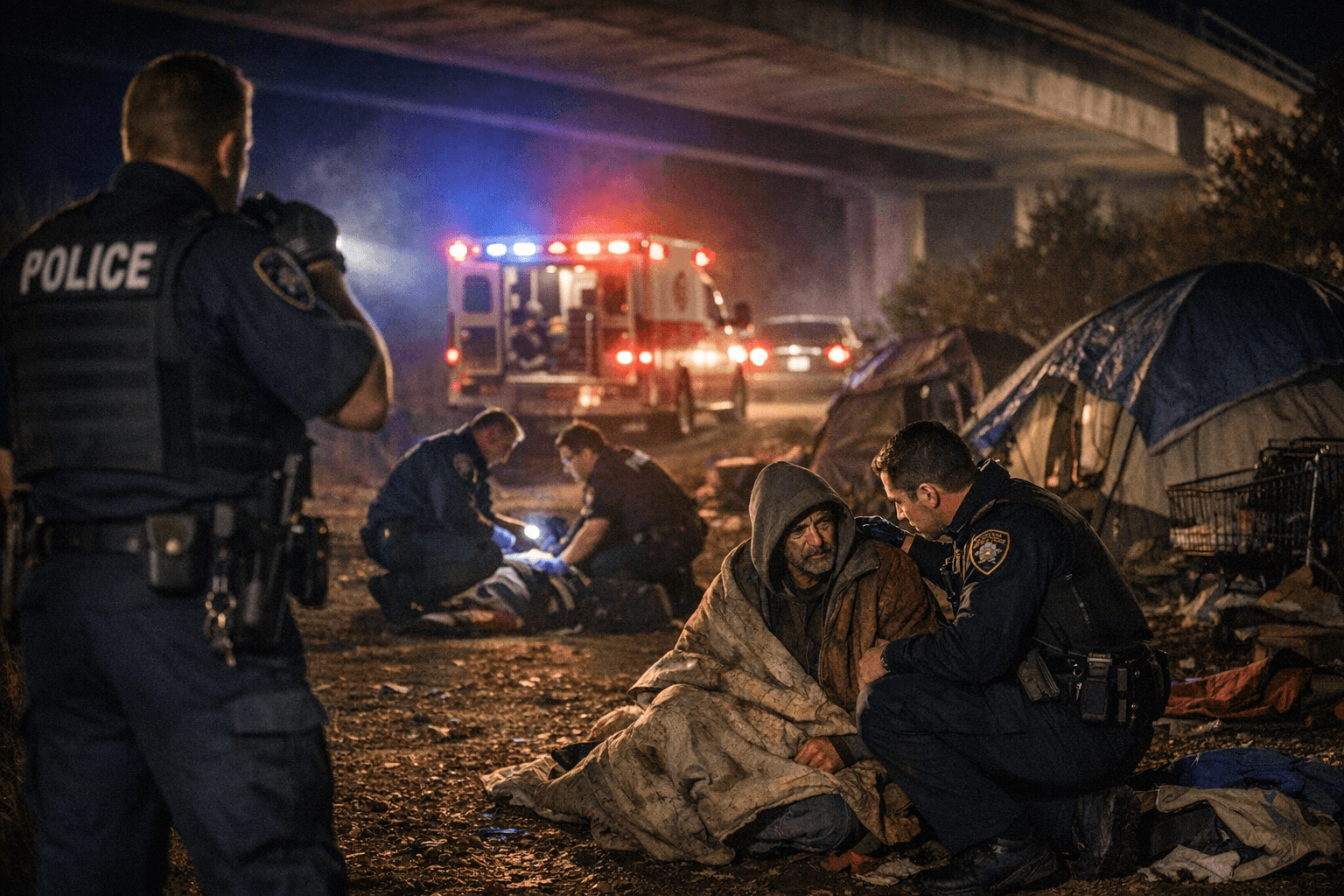
Trinidad police and dispatch staff logged a steady stream of calls from December 16 to December 21 covering routine patrols and recurring community issues. Entries included reports of transient campsites, a series of civil stand bys, suspicious person checks near a school, speed sign and traffic monitoring, medical responses and alarms. The department posted the dispatch summaries on December 22, 2025 to keep the public informed of the types of responses underway in the Trinidad area.
Sample entries illustrate the range of incidents. Call 25018032 on December 16 recorded a transient problem and a campsite on Elm Street that officers advised and were en route to inspect. Call 25018034 that same morning noted a civil stand by at 2921 Toupal Drive. A suspicious person check at the THS band room was logged as call 25018035 and was resolved with the individual confirmed to be with a work crew. Other entries flagged speed sign activity on Santa Fe Trail, phone message follow ups across the Trinidad area, and routine alarm and medical call responses.
For residents, the blotter points to several practical concerns. Campsite and transient complaints during the cold season raise immediate risks of hypothermia, unsanitary conditions and limited access to care for people living outdoors. Civil stand bys often reflect landlord tenant disputes, family conflicts or eviction related stress, all of which intersect with housing instability and mental health needs. Traffic related entries indicate ongoing neighborhood safety questions around speed and signage that affect pedestrians and school routes.
Addressing these issues requires coordination between law enforcement, public health, social services and local government. Expanding outreach and low barrier shelter options in winter months, improving access to behavioral health crisis teams, and investing in traffic calming measures near schools would reduce pressure on police and improve community safety and health. Monitoring of call patterns can guide resource allocation, and community leaders should use these dispatch trends to advocate for services that prioritize equity for vulnerable residents.
As winter continues, residents and officials will be watching whether these recurring themes in the blotter translate into policy changes or increased support for people experiencing homelessness, mental health crises and traffic related hazards in Las Animas County.
This article was produced by Prism’s automated news system from verified source data, official records, and press releases, then run through automated quality and moderation checks before publishing. The system is built and supervised by the people who set the standards it runs under. Read our full AI policy.
Did this article answer your question?