Purgatoire River recreation and conservation groups guide for residents, visitors
Local groups coordinate restoration and recreation across the Purgatoire’s 196 river miles, shaping access and water uses for farmers, anglers, Trinidad residents and visitors.
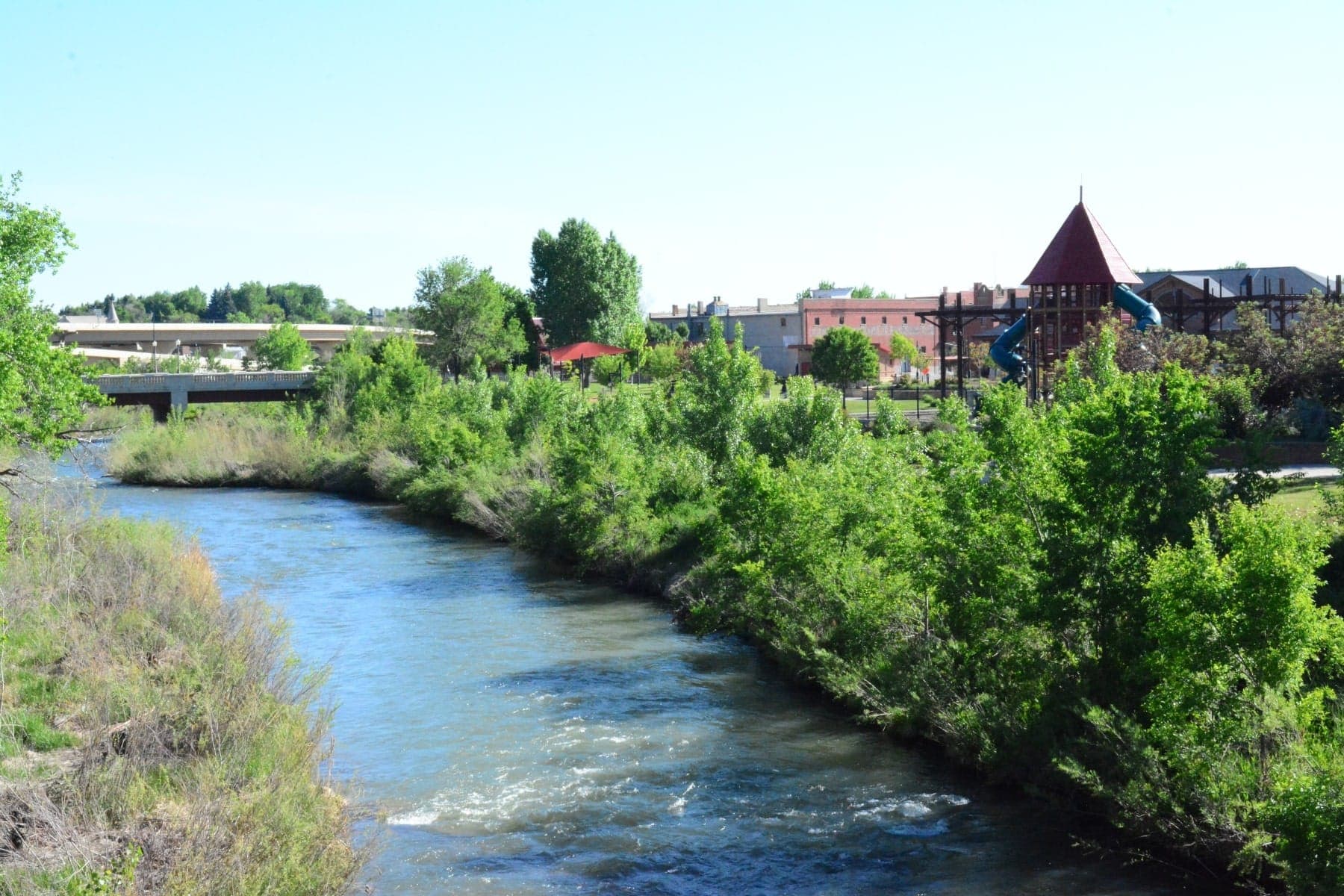
The Purgatoire River runs through Trinidad and much of Las Animas County and sits at the intersection of agriculture, municipal water management, outdoor recreation and growing conservation efforts. Rising recreational demand, a recent state-park announcement, and stressors such as drought and wildfire are driving coordinated planning and on-the-ground projects that affect farmers, anglers, municipal utilities and visitors alike.
1. Purgatoire River, watershed overview
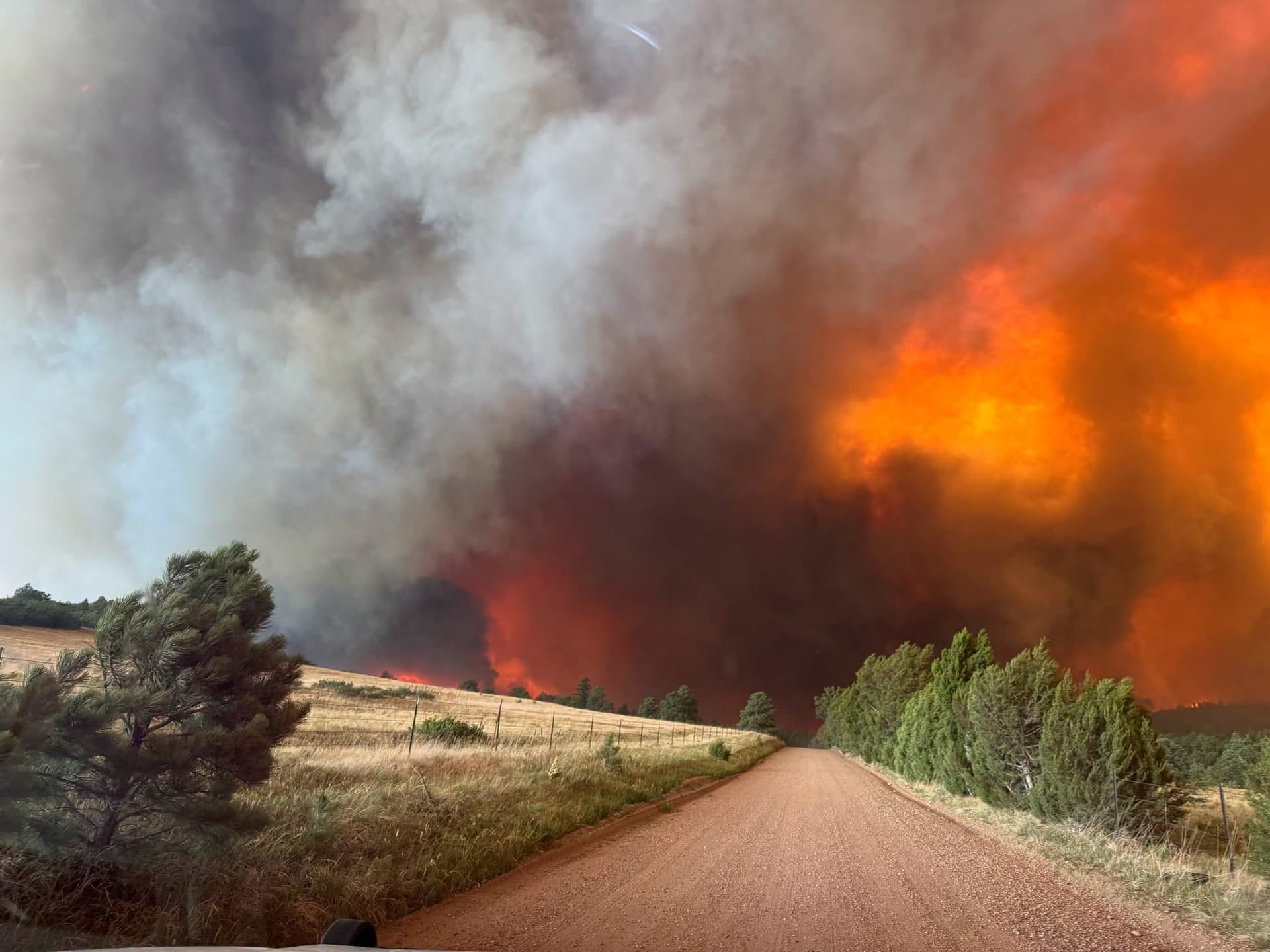
The Purgatoire (locally “Purgatory”) is in the Arkansas Basin and the watershed covers 196 river miles. Agriculture remains the dominant water user along the river; municipal, industrial and recreational uses in and around Trinidad have increased in recent years, creating competing demands for water and river access. Recent wildfires and drought have elevated concerns among community members and planners about river health and resilience.
2. Purgatoire Watershed Partnership (PWP)
PWP is a Trinidad-based non-profit 501(c)(3) that leads coordination for the watershed and is the primary lead on the Integrated Water Management Plan/Stream Management Plan effort. The organization adopted a strategic plan covering 2021–2023 (Board adoption 11/10/2020) and organizes stakeholder engagement around themes labeled “Agriculture. Education. Community. Stewardship. Recreation. Science. Watershed Health.” The PWP mission as provided states the group works “to actively engage and support stakeholders in the collaborative restoration, protection, and enhancement of our river and watershed for the benefit of all.”
3. PWP special programs: Adopt-A-Reach and Urban Wildlife Corridor
The Purgatoire River Adopt‑A‑Reach Program is run by PWP in partnership with the City of Trinidad; individuals and organizations adopt sections of river through Trinidad to scale up cleanups, receive recognition, and “ensure a clean and healthy river.” PWP also lists a Purgatoire Urban Wildlife Corridor Project as “a community-based effort of multiple partners and community members focused on restoring an urban stretch of river for the benefit of resident and” (text in the source is truncated at that point), indicating an urban restoration priority centered on residents and wildlife benefits.
4. Integrated Water Management Plan / Stream Management Plan (Phase I)
The “Purgatoire River Integrated Water Management Plan, Phase I” (SMP) was led by PWP with partners including the Spanish Peaks Purgatoire River Conservation District and the Purgatoire Watershed Weed Management Collaborative. Phase I final deliverables were complete by the end of summer 2022; Phase II is pending. Stated project goals include identifying water-user needs across the project area and assessing relevant ecological, agricultural, municipal and recreational components to inform measurable objectives.
5. Baca‑Picketwire Diversion Dam Restoration Complex Project
One outcome highlighted from Phase I is the Baca‑Picketwire Diversion Dam Restoration Complex Project, described as a multi‑water‑user collaborative project. The program is named as a notable project but the supplied material does not include technical scope, funding or timeline details; that work is part of the broader SMP planning process led by PWP.
- Purgatoire River Water Conservancy District
- Purgatoire Watershed Weed Management Collaborative
- Arkansas Basin Roundtable
- Colorado Parks and Wildlife
- City of Trinidad Water Department
- City of Trinidad Urban Forestry Board
- Trout Unlimited Chapter 100 Purgatoire River Anglers
- Coalitions & Collaboratives
- Culebra Range Community Coalition
- Spanish‑Peaks Purgatoire River Conservation District
- Downtown Trinidad Development Group
- Baca‑Picketwire Ditch Company
6. Trinidad River Walk working group (organized December 2016)
The Trinidad River Walk working group organized in December 2016 and brought together a cross-section of local partners to plan riverfront improvements. Represented organizations included:
This working group framed recreational and urban river planning alongside irrigation and municipal interests.
7. Stakeholder categories represented in river planning
Planning documents categorize participants into groups such as Recreation Users (example: Trout Unlimited Chapter 100), State & Regional Government (Arkansas Basin Roundtable; Colorado Parks and Wildlife; Spanish Peaks‑Purgatoire River Conservation District), Farmers/Ranchers/Irrigators/Ditch Companies (Baca, Picketwire & Chilili Ditch Companies), Environmental groups (including the Purgatoire Watershed Weed Management Collaborative), Local Government (City of Trinidad Water Department; City of Trinidad Urban Forestry Board), Private Businesses and broader Coalitions & Collaboratives. The stakeholder framing emphasizes that water, recreation and conservation interests must be reconciled across these categories.
8. Trout Unlimited Chapter 100 Purgatoire River Anglers
Trout Unlimited Chapter 100 represents recreational users within the working group with a stated primary interest in “sustaining year‑round fish populations for recreation and wildlife conservation purposes.” That priority underscores habitat- and flow‑focused restoration work where anglers, conservationists and water managers intersect.
9. Purgatoire Watershed Weed Management Collaborative
The Weed Management Collaborative is repeatedly listed as a partner in planning and restoration, with explicit on‑the‑ground goals including removal of woody invasive trees (Russian‑olive and tamarisk), control of secondary noxious weeds, and restoration of native riparian vegetation. These treatments are central to improving native habitat and reducing fire and flood vulnerabilities along riparian corridors.

10. Southern Plains Land Trust (SPLT) acquisition and community hub plans
SPLT has a “recent acquisition of the Purgatoire River Property in southeastern Colorado” and intends to develop it into a community hub with public hiking trails and environmental education seminars. SPLT also plans a holistic diversity, equity, inclusion and justice (DEIJ) plan that integrates community input to shape how the hub serves local needs; the source lists the acquisition as recent but does not supply an acquisition date or parcel acreage.
11. Grants, community‑centered conservation and the $71,550 pool
An organizational‑development grant round cited in the materials totaled $71,550 and included named recipients and project descriptions. Examples provided: Central Colorado Conservancy received $15,000 for a “Capital Expansion and Sustainability Roadmap,” and Guidestone Colorado received $10,200 for “Advancing Organizational DEIJ at Guidestone Colorado.” Another example, Eagle Valley Land Trust (with Eagle Valley Outdoor Movement), plans a community Conservation Center that will include an accessible gear library and a bilingual adventure center; listed grant uses include bilingual services, stipends for engagement and childcare to reduce barriers to outdoor access.
12. Conserving Colorado roadmap alignment and DEIJ goals
The grant work ties to the statewide “Conserving Colorado: A 10‑year Roadmap for the Future of Private Land Conservation,” which calls for doubling conserved acres, doubling people engaged in conservation and doubling resources supporting conservation over the next decade. Two of the roadmap’s pillars explicitly center community‑centered conservation and DEIJ, reflecting an emphasis on access, inclusion and diversified participation in land and river stewardship.
13. Practical recreation impacts and adjustments
A recent state‑park announcement in the watershed is listed as a driver of increased recreational demand; local municipal and agricultural water uses remain primary. For Trinidad residents and visitors, that means evolving patterns of trail and river access, volunteer cleanup needs through Adopt‑A‑Reach, and coordination between municipal water managers and recreational stakeholders.
14. Definitions and organizational language to note
PWP’s materials define stakeholder explicitly as: “stake●hold●er /ˈstāk-hōl-dər/ any individual or entity with an interest in or participating in or benefiting from decisions or activities of our organization.” The Trinidad River Walk materials also include the phrase “Coalitions & Collaboratives is a 10 non-profit whose goal is to foster on-the-ground conservation efforts…,” a wording preserved from source documents and flagged as anomalous in appearance.
15. Contacts and where to get involved
Primary contact for the Integrated Water Management Plan/SMP is Julie Knudson at the Purgatoire Watershed Partnership, jknudson@purgatoirepartners.org, 970-420-1915; project homepage: purgatoirepartners.org. PWP also manages the Adopt‑A‑Reach program in partnership with the City of Trinidad; the Trinidad River Walk working group first organized in December 2016 and remains a local coordination vehicle for urban river work.
16. What to watch next (status and pending items)
Phase I deliverables for the SMP were completed by the end of summer 2022 and Phase II is pending; the Baca‑Picketwire Diversion Dam Restoration Complex Project emerged from Phase I but is awaiting further technical and schedule detail in public materials. SPLT’s community hub plan and the full grant roster behind the $71,550 total are described in summary form, with some award amounts and program details provided while other specifics (dates, acreages, full award list) remain to be published.
Conclusion Residents and visitors should expect ongoing coordination among PWP, local government, ditch companies, Trout Unlimited, weed‑management partnerships and land trusts as the Purgatoire watershed balances agriculture, municipal supplies and expanding recreation. With 196 river miles to manage, projects from invasive‑tree removal to dam restoration and new community‑education hubs will shape access, water reliability and habitat, making continued attention to Phase II scheduling, SPLT site plans and volunteer programs like Adopt‑A‑Reach essential for anyone who uses or values the river.
This article was produced by Prism’s automated news system from verified source data, official records, and press releases, then run through automated quality and moderation checks before publishing. The system is built and supervised by the people who set the standards it runs under. Read our full AI policy.
Did this article answer your question?