Red Flag Warning Hit Western Las Animas County - Rapid Fire Risk Warned
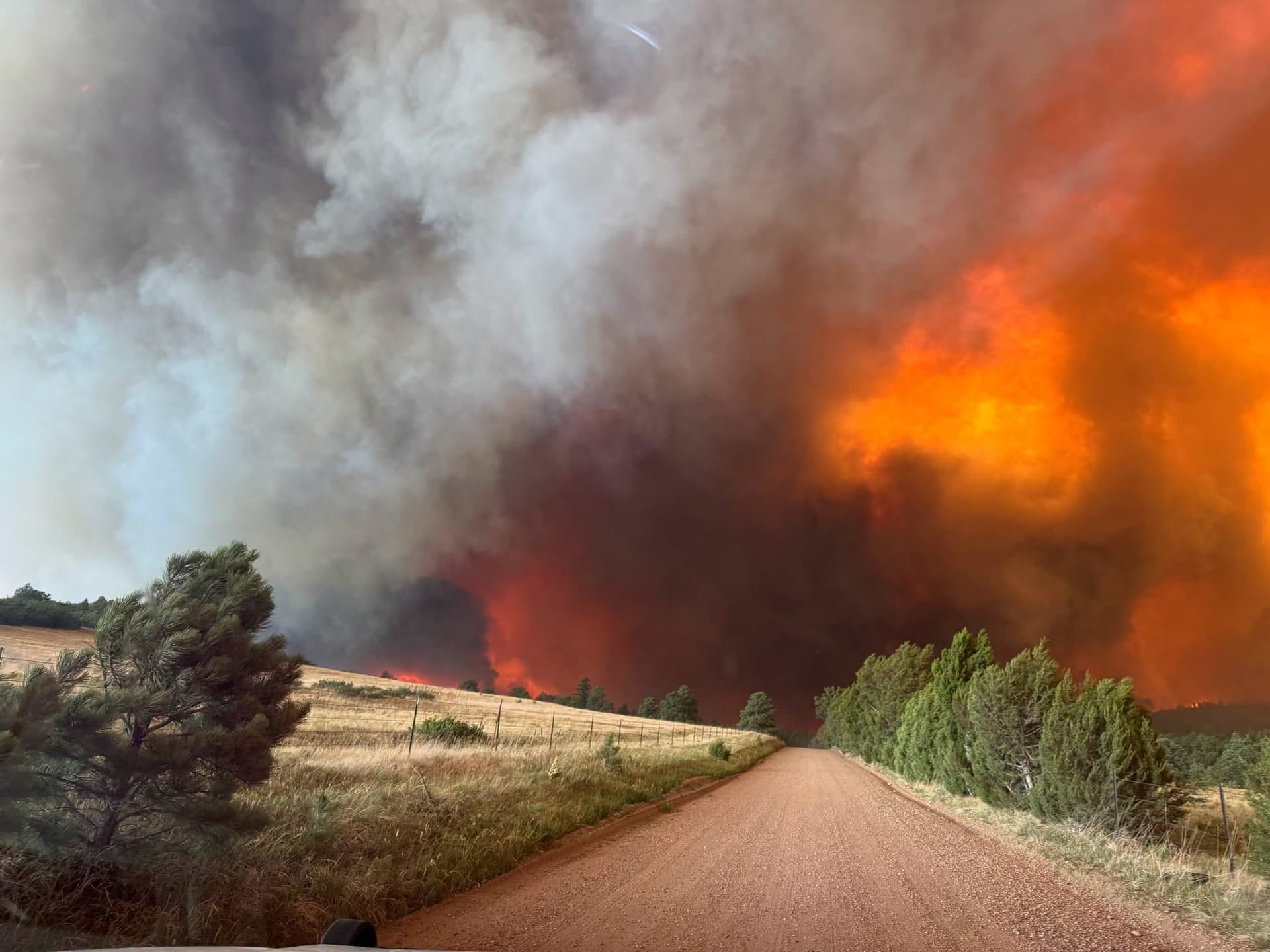
The National Weather Service in Pueblo issued an Urgent Fire Weather Message and Red Flag Warning for western Las Animas County on January 3, 2026, citing gusty west-southwest winds, very low humidity, and strong transport winds that raised the risk of rapid fire spread. The conditions and official recommendations matter to residents, ranchers, and local officials who must weigh public-safety measures, equipment use and enforcement of burn restrictions during high-risk weather.

On January 3 the National Weather Service in Pueblo issued an Urgent Fire Weather Message that designated western Las Animas County, including the Trinidad and Thatcher zones, under a Red Flag Warning. Forecasters identified gusty west-southwest winds, relative humidity dropping into the low teens, and strong transport winds persisting into the afternoon as factors producing elevated to dangerous fire spread potential.
The NWS product detailed expected 20-foot winds with gusts of 30 to 45 mph across higher terrain and gusts up to the mid-30s in lower elevations. The warning emphasized that any ignition under those conditions could spread rapidly and advised residents to avoid outdoor burning, be cautious with equipment that can produce sparks, and follow local fire restrictions.
The immediate significance for Las Animas County residents included heightened risk for escaped agricultural or debris burns, increased danger from equipment-related sparks at ranches and work sites, and stress on local fire resources should a wildfire ignite. Even in winter months, dry air and strong winds can create brief windows of severe fire behavior, narrowing the margin for containment and evacuation planning.
Institutionally, the NWS warning served as a critical early alert for county emergency management, local fire districts and landowners. Such products are designed to trigger preparedness actions: postponing permitted burns, staging firefighting resources, and public outreach to reduce accidental ignitions. The episode highlights ongoing policy choices facing county officials: how to fund and equip volunteer fire departments, how and when to impose or publicize burn restrictions, and how to maintain clear communication channels between state forecasts and local responders.
For voters and civic actors, these events underscore the link between public safety priorities and local governance. Residents can use civic channels to press for adequate funding for wildfire response, clearer enforcement of burn restrictions, and community education on defensible practices. Participation in county commission meetings and local elections connects voters to decisions about emergency preparedness budgets, mutual-aid agreements and land-use policies that affect fire risk.
In practical terms, anyone in affected zones should check for current restrictions before burning, avoid activities that create sparks on high-wind days, and maintain situational awareness when winds are forecast to be strong and humidity very low. Timely adherence to warnings reduces the chance of ignitions that could tax local firefighting capacity and endanger homes, infrastructure and livelihoods.
This article was produced by Prism’s automated news system from verified source data, official records, and press releases, then run through automated quality and moderation checks before publishing. The system is built and supervised by the people who set the standards it runs under. Read our full AI policy.
Did this article answer your question?