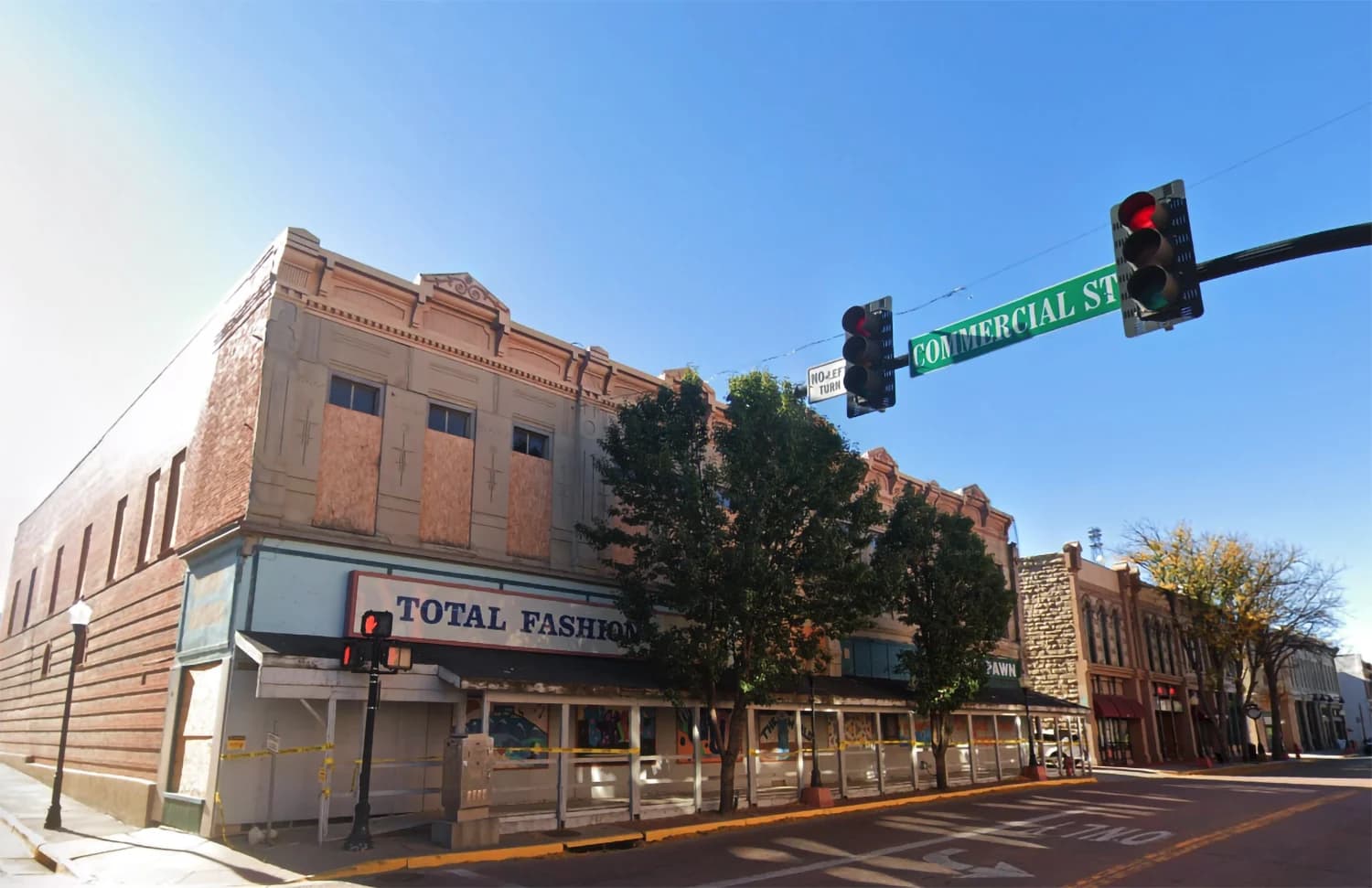
Trinidad council questions $82,000 in festival and housing spending
Trinidad council members questioned whether more than $82,000 in festival and housing spending delivered enough value for taxpayers on Tuesday night.
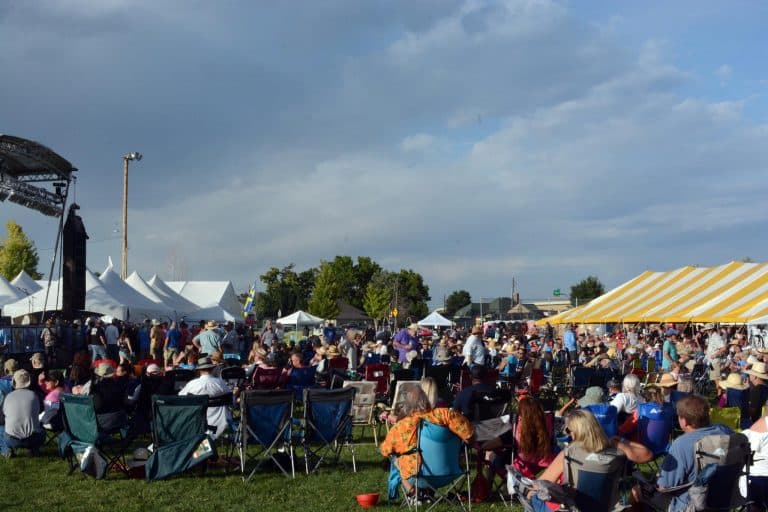
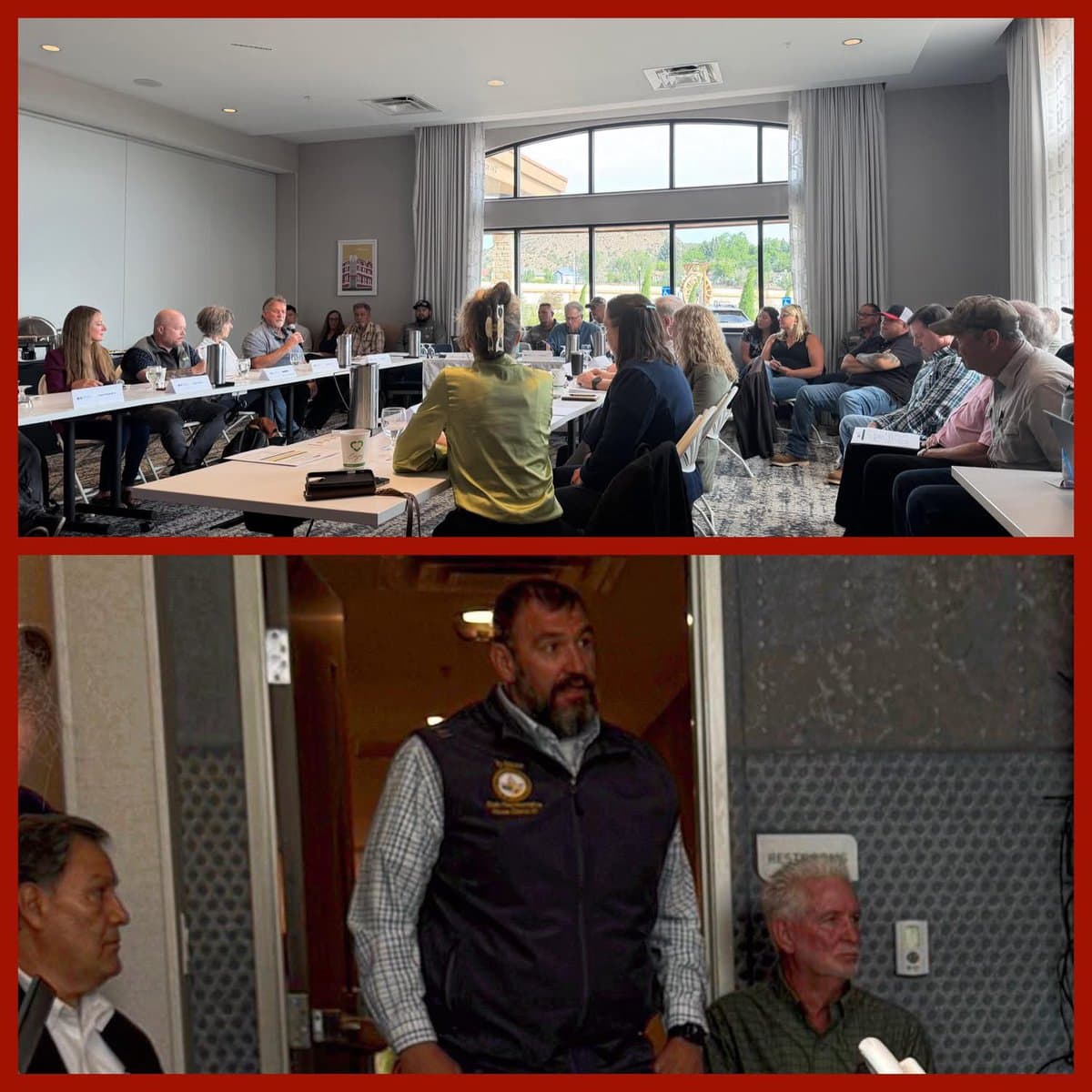
Trinidad City Council put more than $82,000 in music festival and housing incentive spending under a microscope Tuesday, reopening a familiar local fight over whether the city’s economic development dollars are producing measurable return or simply subsidizing events and programs with murky payoffs.
Council members, including Wally Wallace, Aaron Williamson and Phil Rico, raised questions about how the money was spent and what residents got back for it. The discussion focused on expenditures tied to music festivals and housing incentives, a mix that reflects Trinidad’s effort to support downtown activity, visitor traffic and workforce housing at the same time, even as taxpayers continue to watch closely where limited public dollars go.
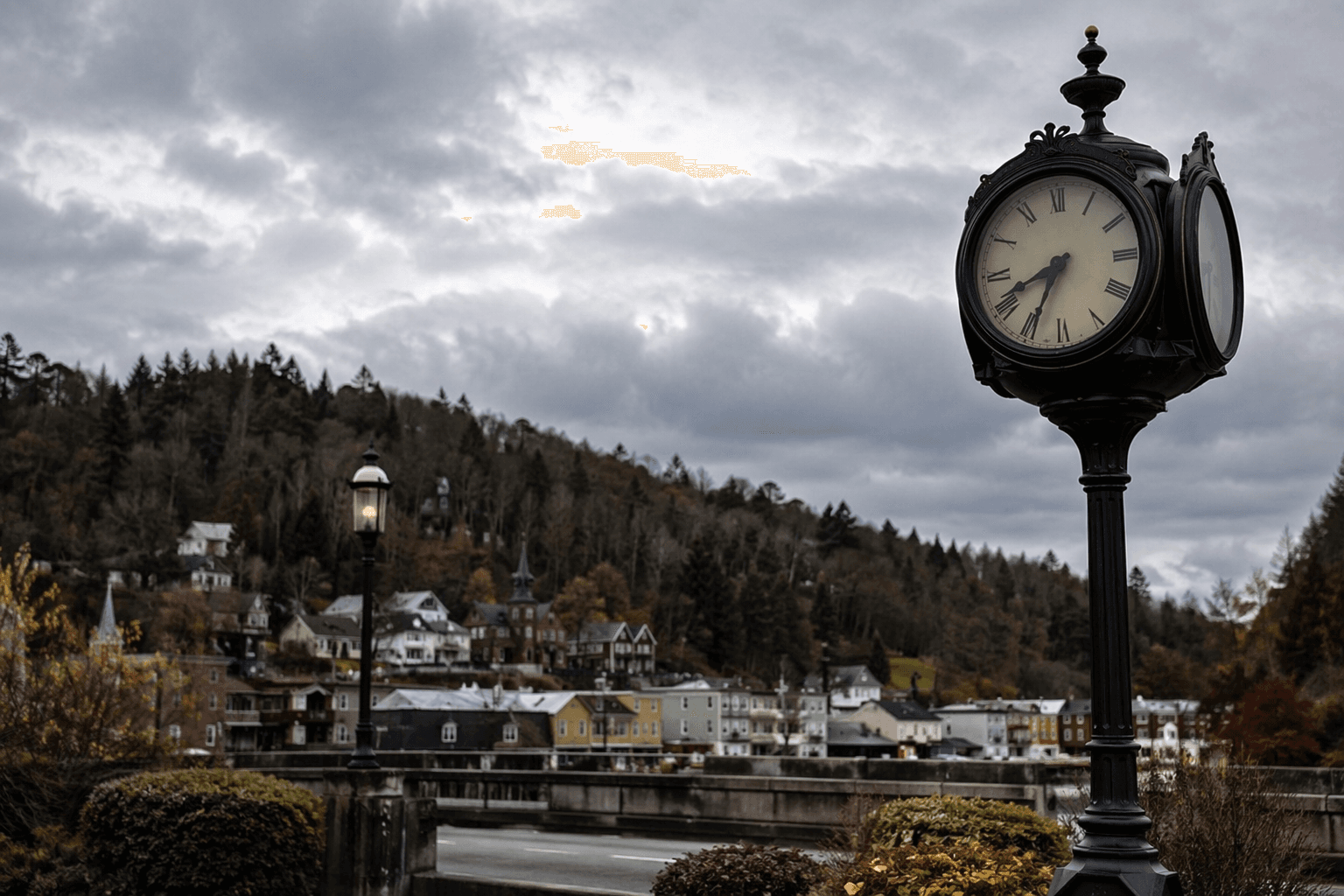
The housing side of the ledger is not new to Trinidad. The city’s Workforce Housing Now program began taking applications July 18, 2022, and project awards over $50,000 require a City Council-approved funding agreement. City housing efforts have already been credited with helping Trinidad surpass its goal of creating 100 additional housing units by 2024 through the Housing Now Incentives program.
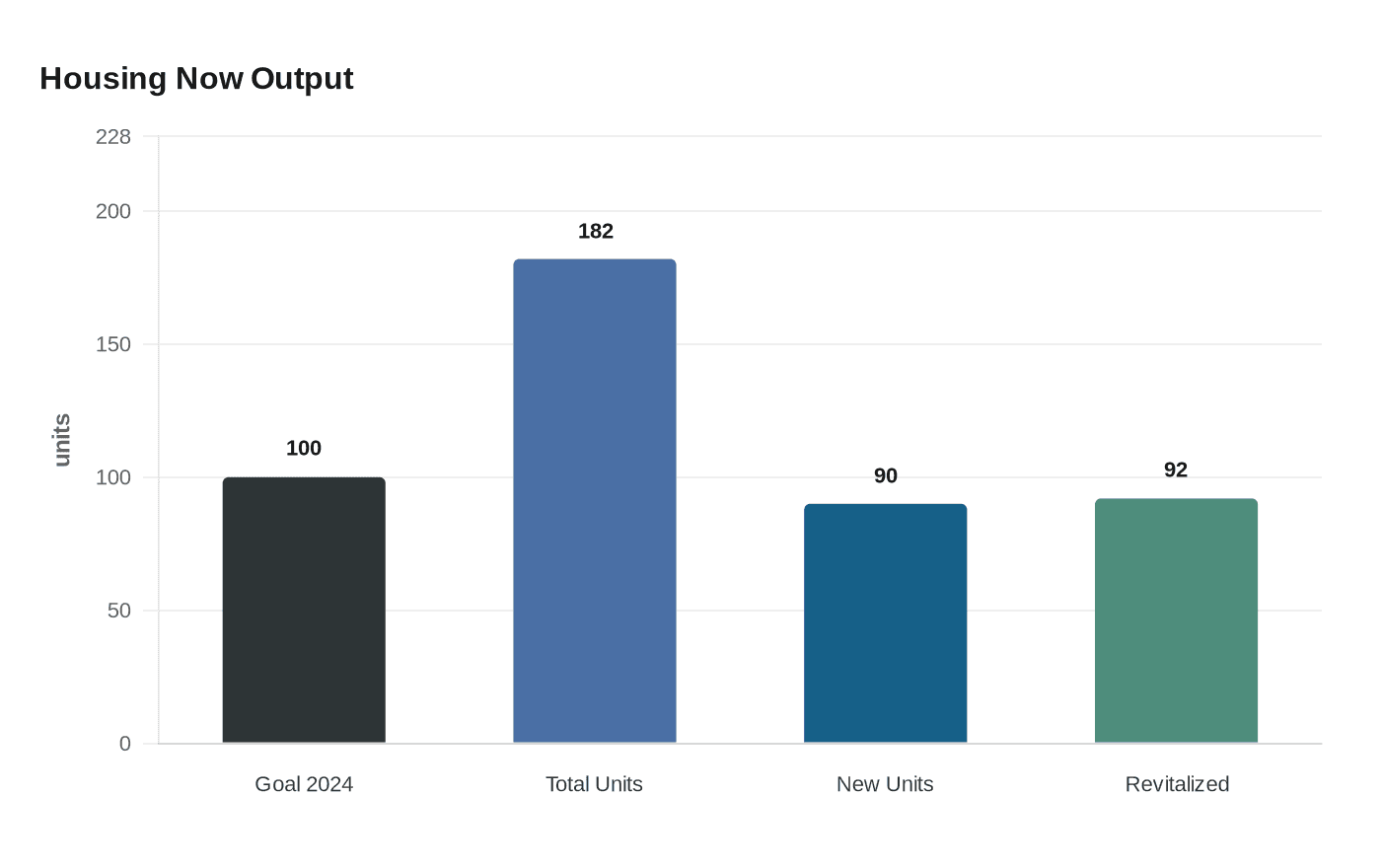
A separate account said Trinidad’s $2 million commitment to Housing Now produced 182 workforce housing units, including 90 new units and 92 revitalized units, while also spurring $6.1 million in private investment across 16 projects. Those numbers give housing subsidies a stronger case than one-off event spending, but Tuesday’s debate showed that even successful results do not end scrutiny over how each dollar is tracked and explained.
The city has also built out a broader economic development structure. Trinidad’s grants page says the city promotes economic development grants and offers business, nonprofit and artist grants, while earlier council discussions included downtown redevelopment as part of the city’s strategy. Trinidad also dissolved its tourism board and replaced it with a Lodging Tax Advisory Board, after officials considered doubling the tourism tax from 3% to 6%.
That backdrop matters because it places the festival spending inside a longer argument over how Trinidad should market itself and who should benefit most from public spending. Supporters of housing incentives can point to units built and private dollars leveraged. Festival spending, by contrast, faces a harder test: whether events draw enough lasting local benefit to justify the cost.
Tuesday’s exchange suggested council members want clearer standards before the city commits more money. In a town where economic development dollars compete with basic local needs, the next round of spending may face sharper demands for records, results and plain-language explanations.
This article was produced by Prism’s automated news system from verified source data, official records, and press releases, then run through automated quality and moderation checks before publishing. The system is built and supervised by the people who set the standards it runs under. Read our full AI policy.
Know something we missed? Have a correction or additional information?
Submit a Tip