Trinidad council to weigh water restrictions, taxes and tourism contract
Trinidad council was set to weigh tighter water rules and a rate increase, with household bills first in line. Officials also had a Public Works land buy and lodging tax issues on deck.
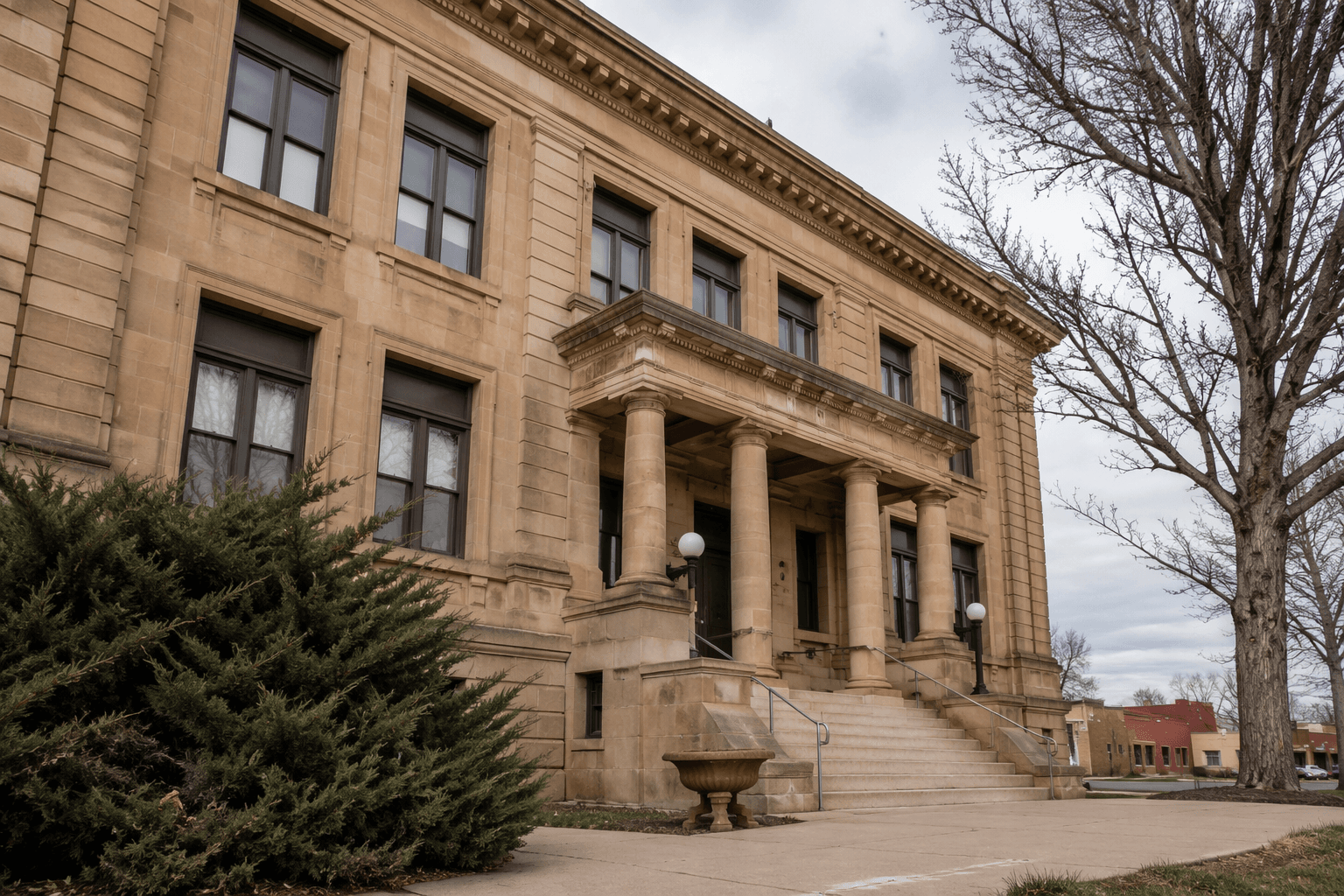
Trinidad council was scheduled to confront more water restrictions and a possible rate increase at City Hall, putting household watering rules and utility bills at the top of a packed July 13 agenda in Trinidad. The 3 p.m. work session and special meeting in Council Chambers at 135 N. Animas Street also included a board and commissions interview, a Destination iQ marketing contract, a lodging tax ordinance and a youth club request for a tax initiative.
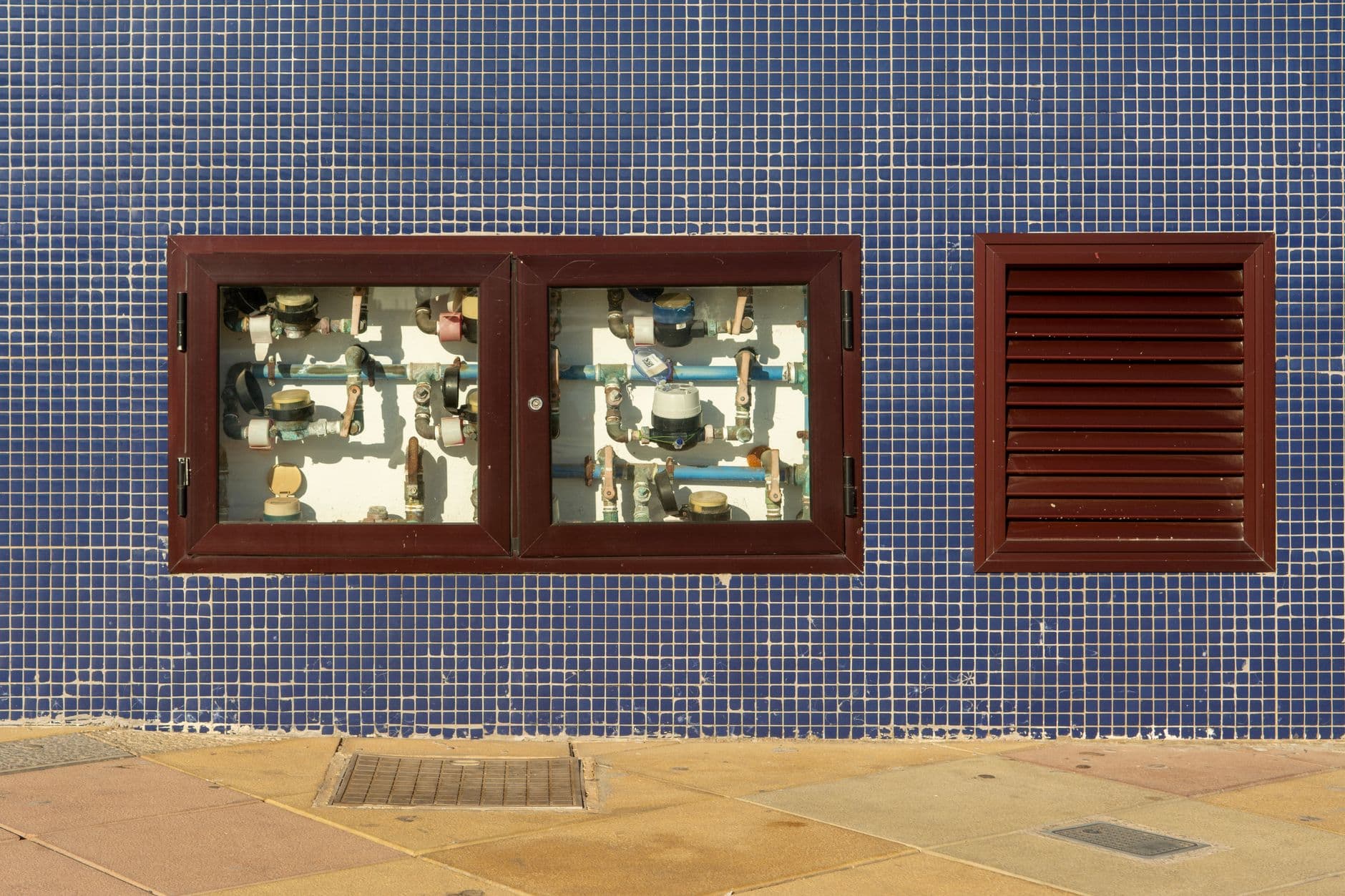
The water item came after Trinidad moved into Stage III restrictions on July 1 because drought and critically low water levels left city officials little room to maneuver. Under those rules, watering is banned on Mondays; even-numbered addresses may water Wednesdays, Fridays and Sundays from 6 a.m. to 10 a.m., while odd-numbered addresses may water Tuesdays, Thursdays and Saturdays during the same hours. The city also barred new rural extra-territorial water taps, restricted vehicle washing and fountain and pond filling, and shut down the Cimino Park splash pad. Trinidad also canceled its July 4 fireworks display and Water Parade because of the drought.

A water rate increase would land on customers already living with tighter conservation rules, and it would be tied to a system that reaches far beyond the city limits. Trinidad’s water department says the treatment and distribution network includes more than 100 miles of pipe and serves an area extending east to the Department of Corrections and the Pinon Canyon Maneuver Site. The special meeting also included a contract to buy more property at the existing Public Works facility, where the department handles engineering, streets and bridges, the landfill and the city fleet. The purchase could give the city more room for equipment, operations or future expansion.
The tourism and tax items carried their own political history. Trinidad voters approved the current 3% lodging tax in 2001, and a 2023 voter guide proposed raising it to 6% and bringing in about $550,000 a year for tourism marketing, tourism personnel and facilities, recreation, arts and cultural events, and a small amount of council discretion. The Lodging Tax Advisory Board met repeatedly in 2026, including on Jan. 5, Jan. 20, Feb. 3, March 3, March 17, April 7, April 21, May 5, May 19 and June 16, showing the issue had been under active review before it reached council again. Council had already split with that board once, unanimously approving an updated 2026 Destination iQ agreement on Dec. 22, 2025 even after the advisory board recommended ending the contract.
Before any vote moved forward, the key questions were still practical: how much another water restriction would change daily life, how much a rate increase would add to monthly bills, what property the city wanted at Public Works and what it would cost, and whether lodging-tax money would stay focused on tourism and community amenities or become a broader revenue tool.
This article was produced by Prism’s automated news system from verified source data, official records, and press releases, then run through automated quality and moderation checks before publishing. The system is built and supervised by the people who set the standards it runs under. Read our full AI policy.
Did this article answer your question?