Trinidad officials weigh major changes to lodging tax rules
Trinidad could rewrite who controls lodging tax dollars, after a June 8 board push to change how visitor money is spent and overseen.
Trinidad officials are weighing whether to rewrite the rules that govern lodging tax dollars, a move that could shift control over visitor-generated revenue and change how visible the process is to the public. Members of the city’s Lodging Tax Advisory Board went to City Hall on June 8 to ask for revisions to the lodging tax ordinance.
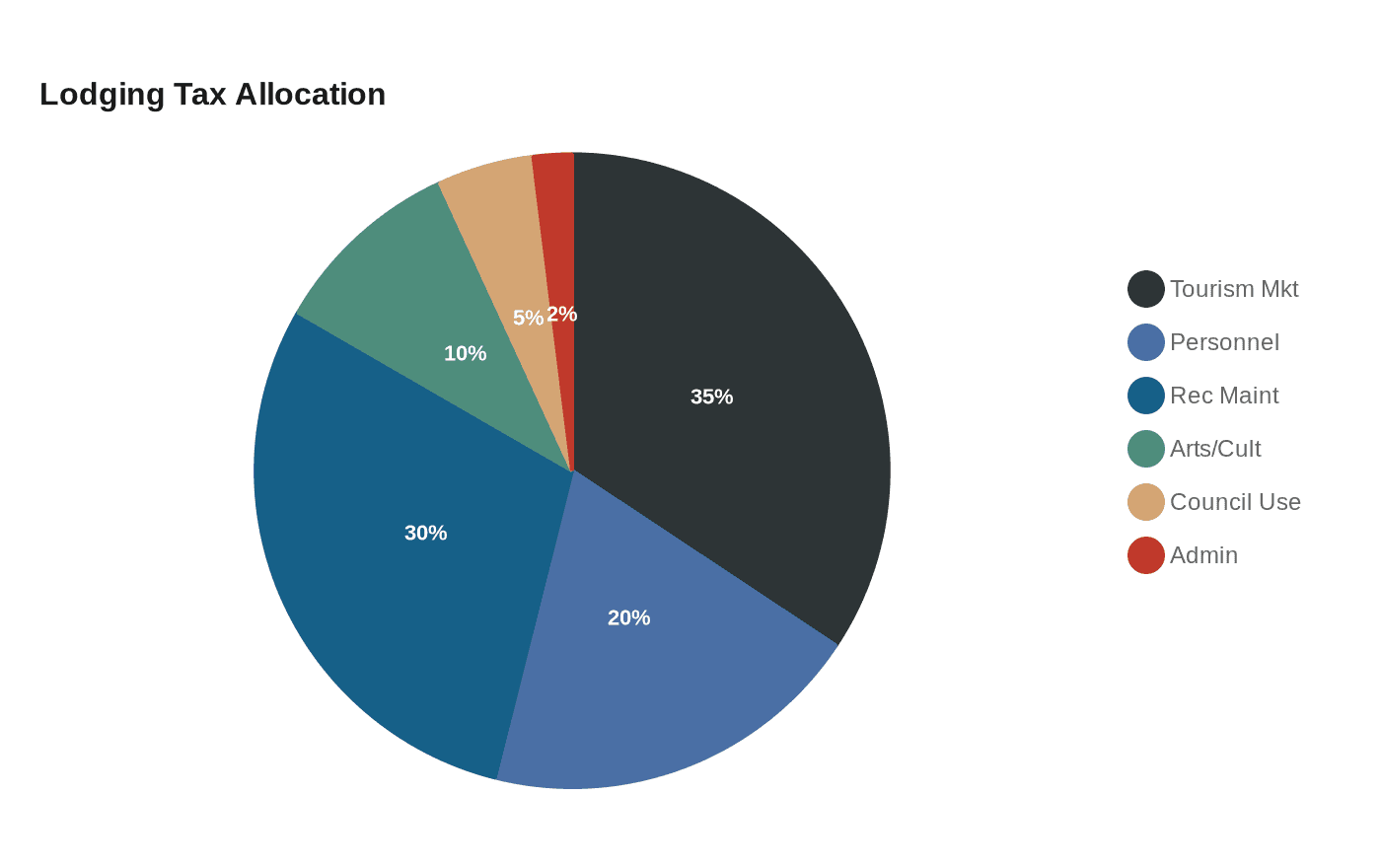
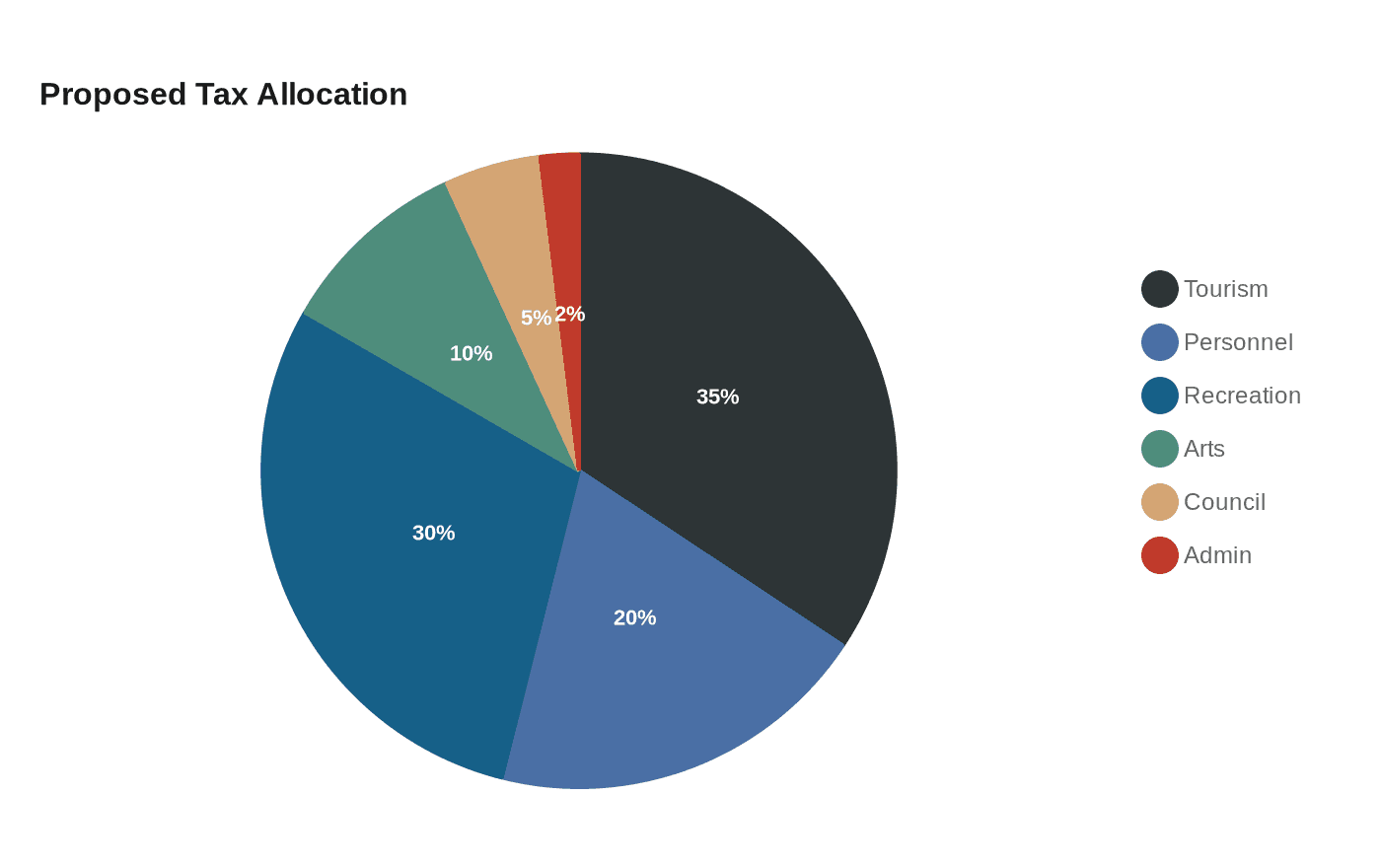
At stake is more than accounting. Trinidad’s current lodging tax rate is 3%, a level approved by voters in 2001, and city materials have described a proposal to double it to 6% with an expected annual haul of about $550,000 beginning Jan. 1, 2024. Those same materials laid out where the money would go: 35% for sustainable tourism marketing, 20% for tourism-related personnel and facilities, 30% for recreation facility maintenance and development, 10% for arts and cultural events, 5% for flexible council use and 2% for administrative expenses.
The Lodging Tax Advisory Board sits at the center of that debate. Trinidad’s municipal code says the board has five members and is charged with studying, investigating and advising the City Council on policies for the implementation, support and use of lodging-tax revenues. City boards-and-commissions pages show the board continued meeting in 2025 and 2026, underscoring that it remains part of the city’s governing structure.
The current setup dates to 2022, when the Trinidad Tourism Board was dissolved and replaced by the Lodging Tax Advisory Board in a 7-0 council vote. Earlier reporting also noted concerns from some applicants for the former tourism board about possible nepotism in the appointment process. More recently, a late-2025 council effort to eliminate the advisory board failed on a 3-2 vote, a sign that the question of who should direct tourism money has stayed politically unsettled.
The city’s 2026 budget, reported at $79,636,075, gives the discussion added weight. Lodging tax money does not sit apart from the rest of municipal decision-making; it feeds into the city’s broader choices about downtown priorities, recreation, cultural programming and how Trinidad presents itself to visitors. Any change to the ordinance could affect how much authority council members keep, how much discretion volunteers retain, and how clearly residents can follow the path of money that comes from tourists but shapes life in Trinidad and Las Animas County.
This article was produced by Prism’s automated news system from verified source data, official records, and press releases, then run through automated quality and moderation checks before publishing. The system is built and supervised by the people who set the standards it runs under. Read our full AI policy.
Did this article answer your question?