Trinidad Walking Tour Highlights Landmarks, Helps Downtown Recovery
A concise walking tour of downtown Trinidad maps key historic and cultural sites that anchor the citys civic life and support small business recovery. The route links museums, performing arts venues, religious landmarks, and nearby outdoor attractions, offering residents and visitors a clear way to experience local heritage and economic assets.
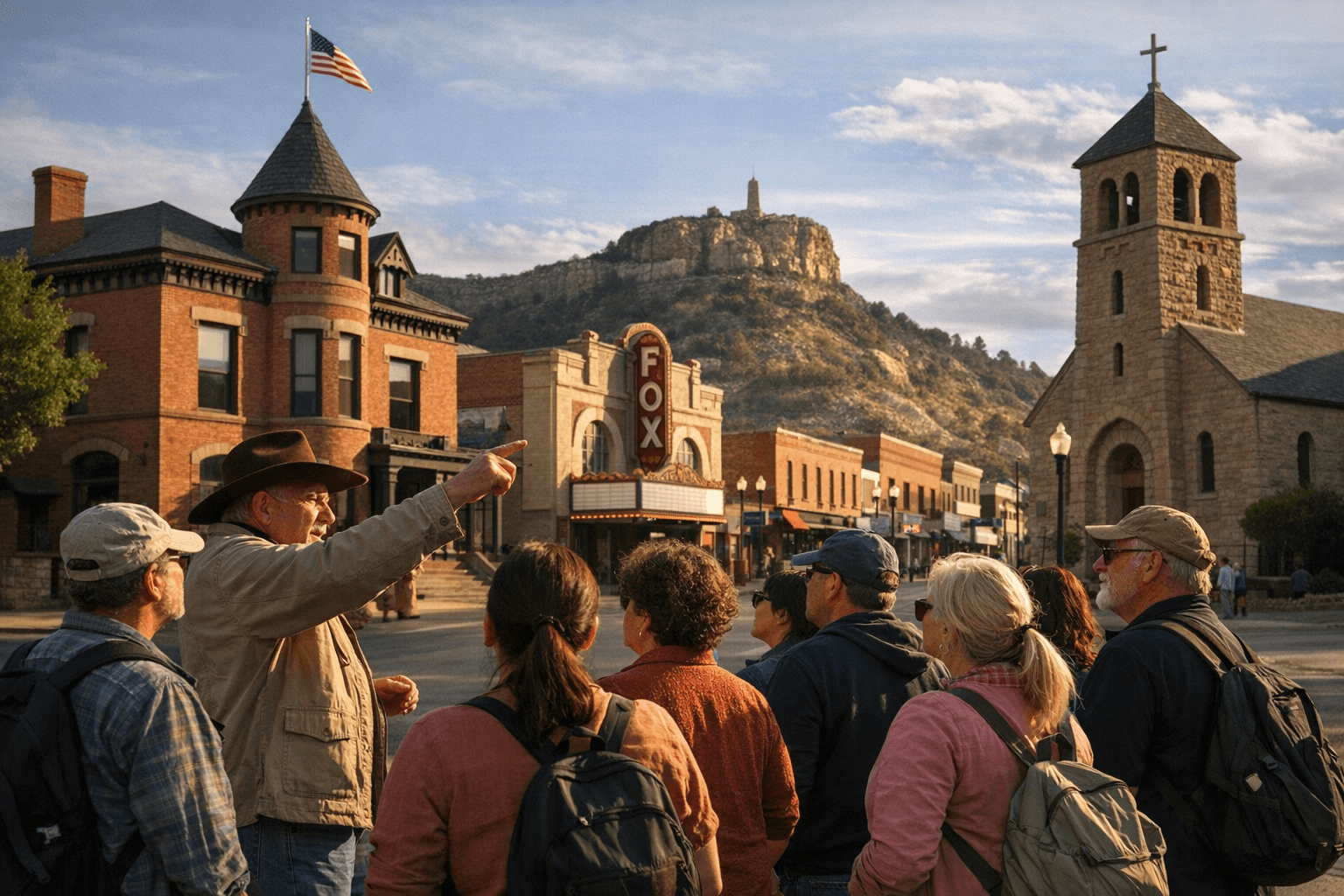
Downtown Trinidad’s historic core functions as more than a collection of buildings. It is the practical and symbolic center of civic life, and a compact walking tour of Main Street and adjacent blocks makes that role visible while reinforcing downtown’s contribution to local economic recovery.
The route centers on the Bloom Mansion, part of the Trinidad History Museum and known as the Frank G. Bloom House, which offers period rooms and rotating exhibits and anchors Main Street history tourism. Nearby the A.R. Mitchell Museum and local galleries showcase the work of Arthur Roy Mitchell and regional southwestern landscapes, creating a small but influential cultural draw that supports foot traffic and education programs. The Trinidad Opera House and the contiguous Main Street commercial corridor illustrate historic commercial architecture and provide venues for performing arts, community theater and seasonal events such as parades and markets, reinforcing downtown as a civic heart.
Historic newspaper and commercial buildings along Church Street and North Commercial, including the Chronicle News building and preserved storefronts, reflect Trinidad’s long role as county seat and regional trading hub. Temple Aaron and other religious landmarks testify to the citys multiethnic past and serve as architectural stops on walking routes focused on community history. A short drive or a brief hike to Simpson’s Rest offers an iconic panoramic view of Trinidad, the river valley and surrounding landscape. For those extending the itinerary, Trinidad Lake State Park provides birding, fishing and accessible trails that pair well with downtown cultural stops.
The tour has policy implications. Institutional support from city and county agencies for maintenance, signage, event permitting and preservation funding shapes whether these sites continue to generate economic activity. Coordination with state park managers can promote combined heritage and outdoor itineraries that lengthen visitor stays and spread spending across businesses. Municipal decisions about parking, streetscape improvements and promotion directly affect downtown foot traffic and small business recovery.
Practical guidance for participants includes allowing two to three hours for a relaxed downtown walk with museum visits, with more time if including the Bloom Mansion or a trip to the state park. Winter clothing and sturdy footwear are recommended for Simpson’s Rest and park trails. Check museum hours and seasonal closures in advance. The citys shops, cafes and galleries make the walk both informative and pleasant while contributing to local economic resilience.
This article was produced by Prism’s automated news system from verified source data, official records, and press releases, then run through automated quality and moderation checks before publishing. The system is built and supervised by the people who set the standards it runs under. Read our full AI policy.
Did this article answer your question?