Trinidad weighs $25 million accessibility plan amid code deadlines
Trinidad is staring at a $25 million accessibility bill, with sidewalks, ramps and city buildings facing code deadlines that could force major upgrades.
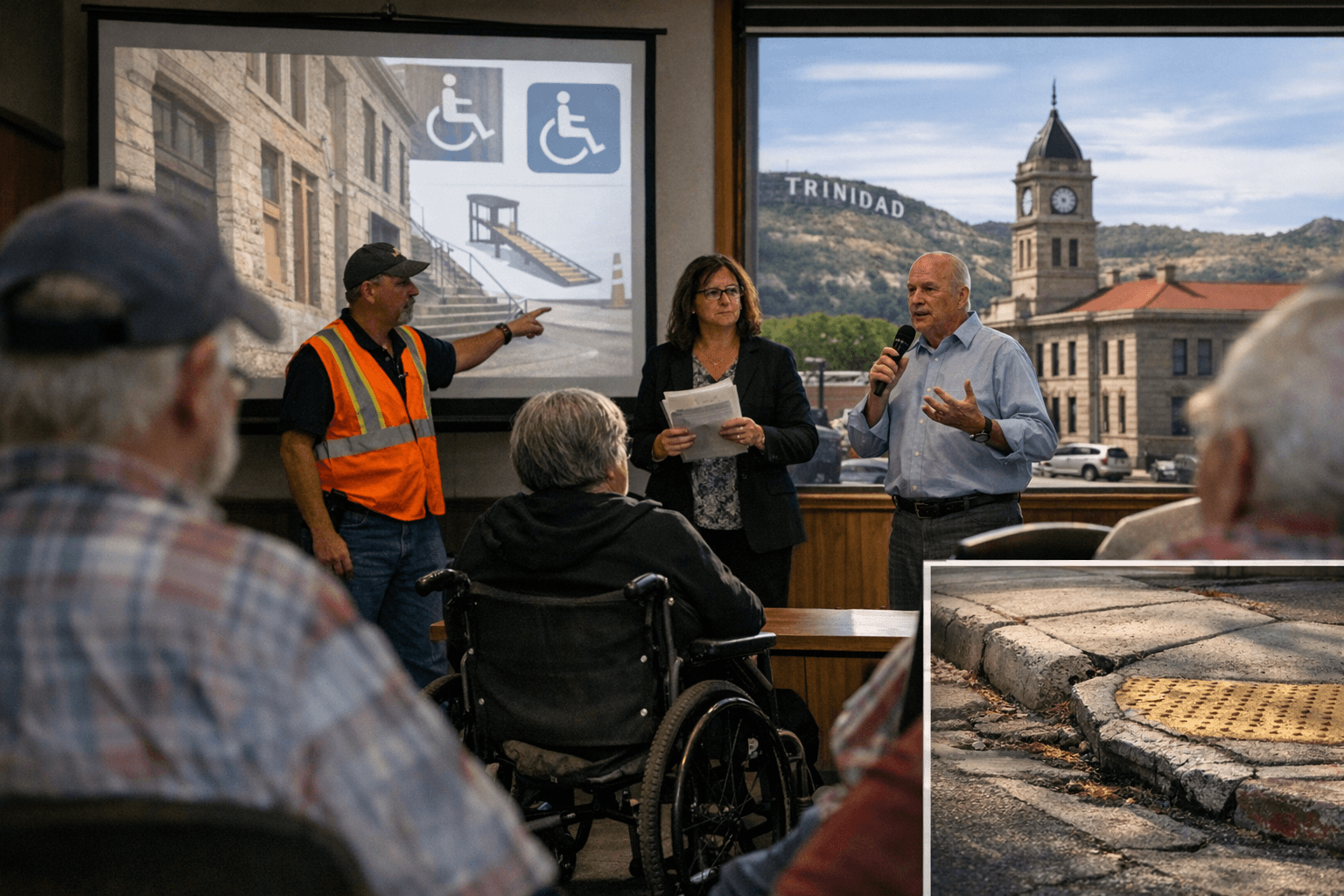
Trinidad’s April 13 work session put a stark price tag on the city’s next round of public fixes: about $25 million to bring sidewalks, curb cuts, ramps and other accessibility features into line with current standards while building and fire code deadlines draw closer.
Public Works Director Bob Just presented the city’s long-awaited ADA transition plan, a blueprint for where Trinidad must improve pedestrian access and public rights-of-way. The work stretches beyond paperwork. It points to a city that must decide which streets, sidewalks and public spaces get fixed first, how much of the work can be phased, and how much pressure the rest of the municipal budget can absorb.
The urgency is not new in Trinidad. A 2014 complaint by Stephen Hamer led to a U.S. Department of Justice audit that found more than 300 ADA violations in the city, a history that still hangs over today’s planning. The new transition plan is meant to move Trinidad toward compliance before the city faces another round of complaints, enforcement pressure or costly emergency repairs.
The discussion also folded in code issues that affect more than accessibility. In a March discussion, Fire Chief David Bacharach argued that the international code better fits Trinidad’s existing building framework and gives the city more discretion on local conditions, including lots as small as 30 by 30 feet. That matters for older blocks, downtown buildings and properties where one-size-fits-all rules can be difficult to apply without triggering redesigns or delays.
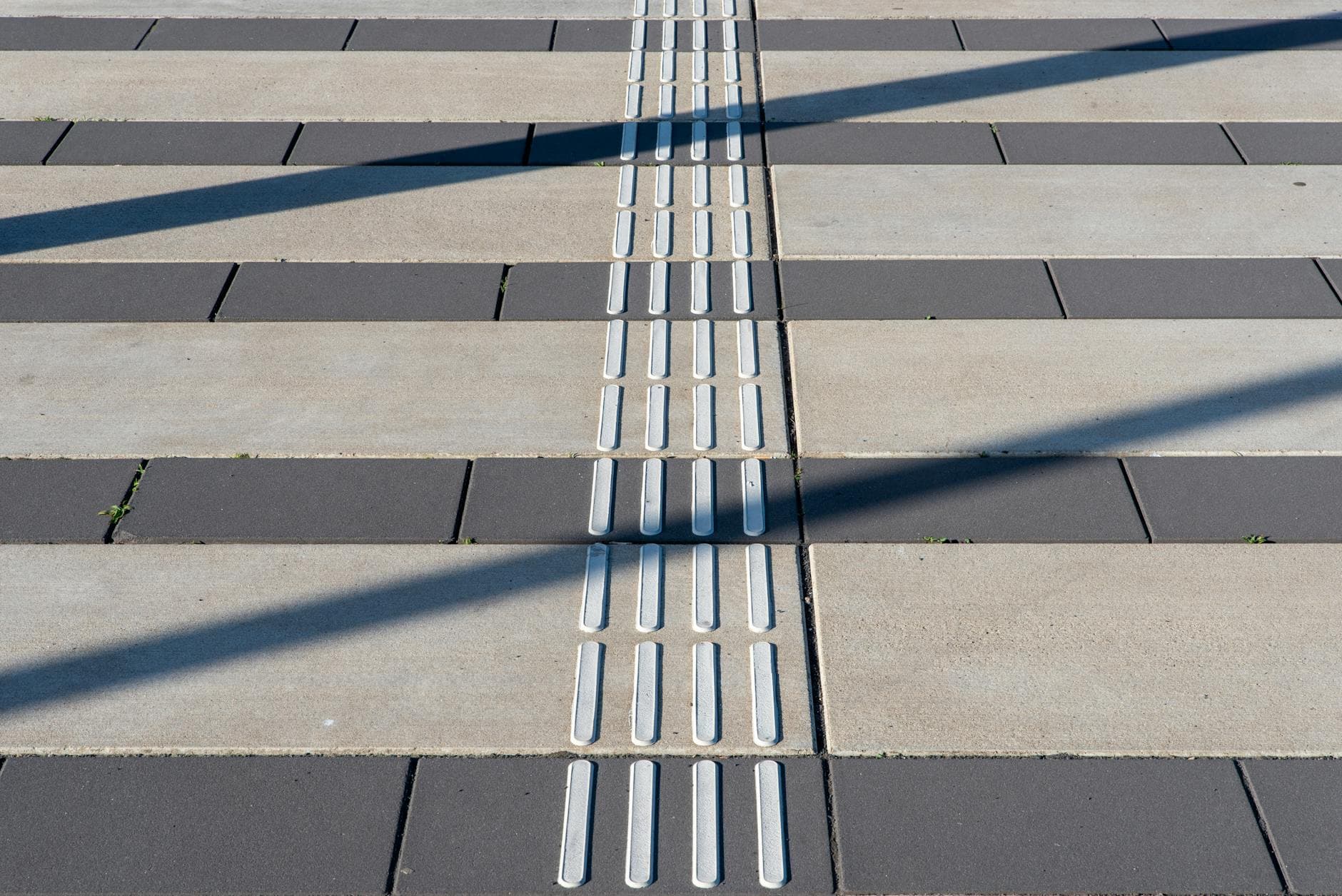
Colorado’s HB22-1362 adds another deadline. Any municipality or county that updates its building code after July 1, 2026 must adopt the state’s newer energy code, or an equivalent or stricter standard. For Trinidad, that means building-code decisions are now tied to a broader state timetable, not just local preference. The city’s own code modernization effort is becoming a test of how well Trinidad can balance safety, legal compliance and affordability without freezing up future projects.
The financial gap is hard to ignore. Recent reporting showed Trinidad usually budgets only about $100,000 to $200,000 a year for building work, while City Manager Tara Marshall said she planned to request $500,000 in the next capital improvement plan. Against that backdrop, a $25 million accessibility program would reshape priorities for years and could force phased work, especially in places where residents already rely on narrow sidewalks, older public buildings and downtown corridors such as Church Street.
For Trinidad, the question is no longer whether upgrades are needed. It is how the city pays for them, how fast they can be done, and whether the next round of planning will keep public spaces usable while the city brings its infrastructure up to code.
This article was produced by Prism’s automated news system from verified source data, official records, and press releases, then run through automated quality and moderation checks before publishing. The system is built and supervised by the people who set the standards it runs under. Read our full AI policy.
Did this article answer your question?