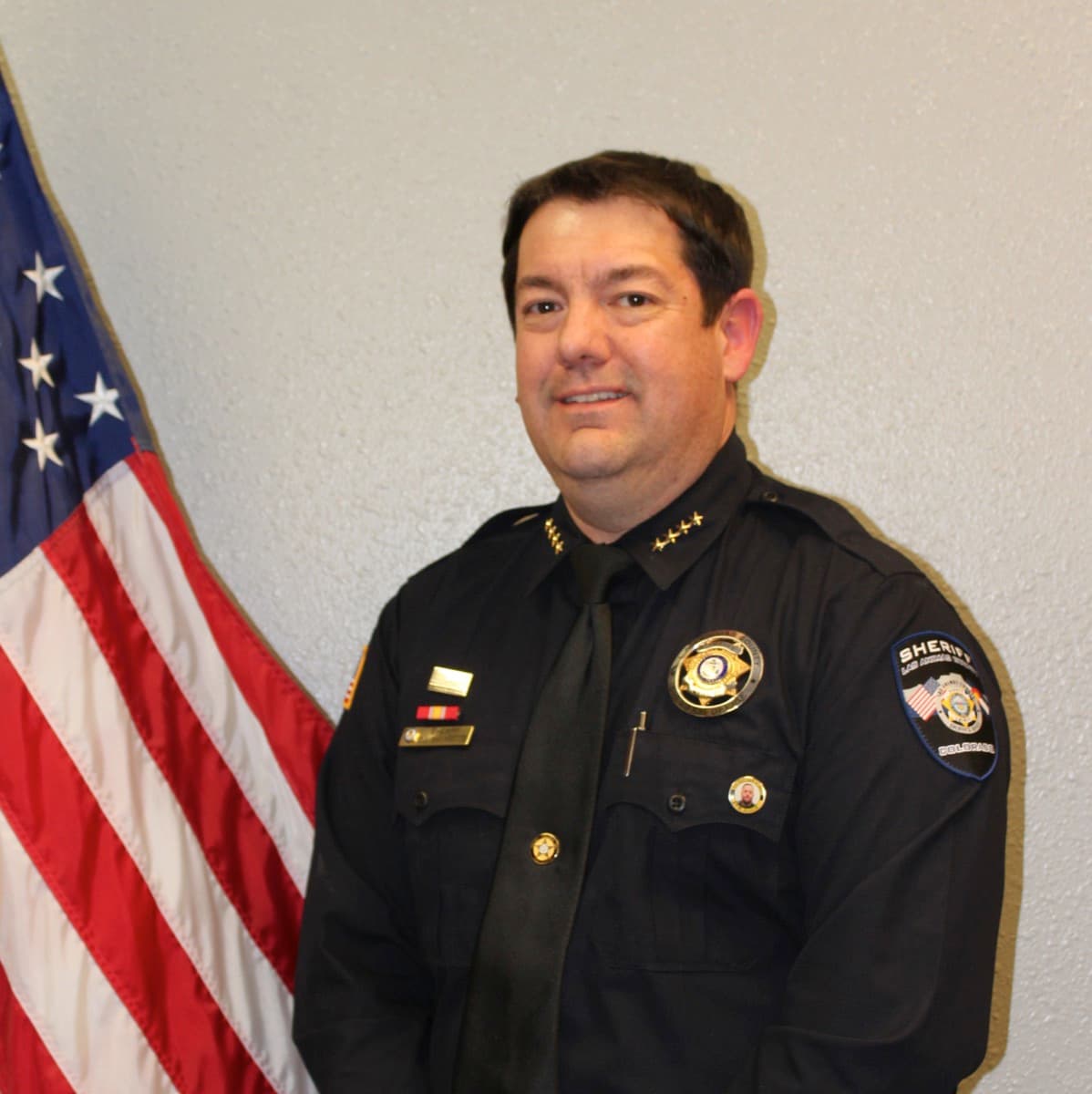
Trinidad’s New Police Chief Prioritizes Trust and Community Communication
Trinidad’s recently appointed police chief has outlined his background and a set of priorities aimed at rebuilding public trust, improving communication with residents, and confronting past controversies tied to the department. The interview, published by The Chronicle-News, signals a potential shift in local policing strategy with implications for public accountability, departmental policy, and civic engagement across Las Animas County.
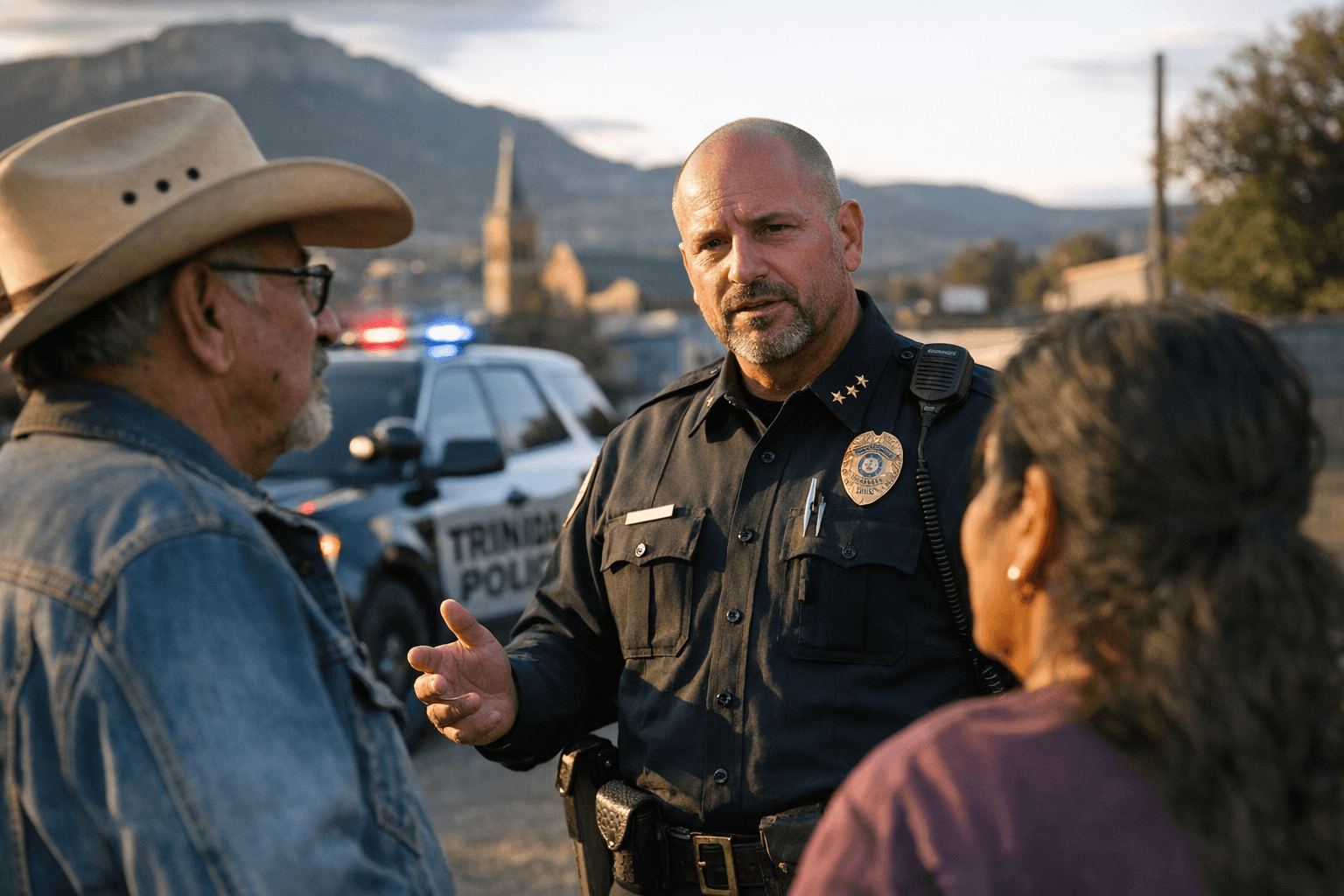
Trinidad’s new police chief used a feature interview with The Chronicle-News to set the tone for his tenure, emphasizing community engagement and directly addressing controversies that have shadowed the department. The visible portion of the story describes the chief’s focus on building public trust and improving communication with residents; the full interview is available behind a site login.
The interview comes at a consequential time for Trinidad and Las Animas County, where municipal institutions must contend with both constrained budgets and high community expectations for transparency. By foregrounding outreach and dialogue, the chief is signaling that restoring confidence in local law enforcement will be a central operational priority. That focus has immediate policy implications: it may shape how the department allocates staffing and training resources, structures outreach programs, and presents budget requests to the city council.
Institutionally, the chief’s emphasis on communication speaks to long-standing governance questions about oversight and accountability. Departments that prioritize clear channels for resident feedback and responsive complaint processes can reduce friction between officers and the public and improve reporting of crimes, an outcome that affects public safety metrics and perceptions. For local officials, the chief’s stated priorities create pressure to align municipal oversight mechanisms, civilian review options, and transparency practices with the administration’s stated goals.
The interview also connects to civic engagement and local political dynamics. When residents perceive law enforcement as open and responsive, they are more likely to participate in public meetings, report problems, and vote in local elections that determine policing budgets and leadership. Conversely, unresolved controversies can depress trust and complicate collaborative public safety efforts. The chief’s decision to address past controversies directly, rather than sidestep them, may prompt increased public scrutiny and invite community groups to demand measurable milestones for reform.
For everyday residents, the practical effects will be familiar: changes to how the department communicates with the public, potential new community-oriented programs, and possibly altered priorities in patrols and outreach. These shifts could influence local perceptions of safety and the willingness of residents to engage with law enforcement. They may also affect how city leaders and county officials evaluate departmental performance in upcoming budget cycles and public forums.
The Chronicle-News feature provides a first look at the new chief’s approach but leaves substantive details behind the paywall. As the administration begins implementing its stated priorities, local media and civic organizations will play a crucial role in tracking outcomes, asking for concrete performance measures, and ensuring residents have avenues to weigh in. Continued reporting and active public participation will determine whether the chief’s emphasis on engagement and transparency produces lasting institutional change in Trinidad and across Las Animas County.
This article was produced by Prism’s automated news system from verified source data, official records, and press releases, then run through automated quality and moderation checks before publishing. The system is built and supervised by the people who set the standards it runs under. Read our full AI policy.
Did this article answer your question?