Carroll College Names First Woman President, Effective July 2026
Carroll College announced on November 24, 2025 that Jennifer Glowienka, Ph.D., will become the institution's 20th president, taking office on July 1, 2026. The appointment is the first time a woman will hold the post in the college's 116 year history, a development with local implications for leadership representation and community partnerships.
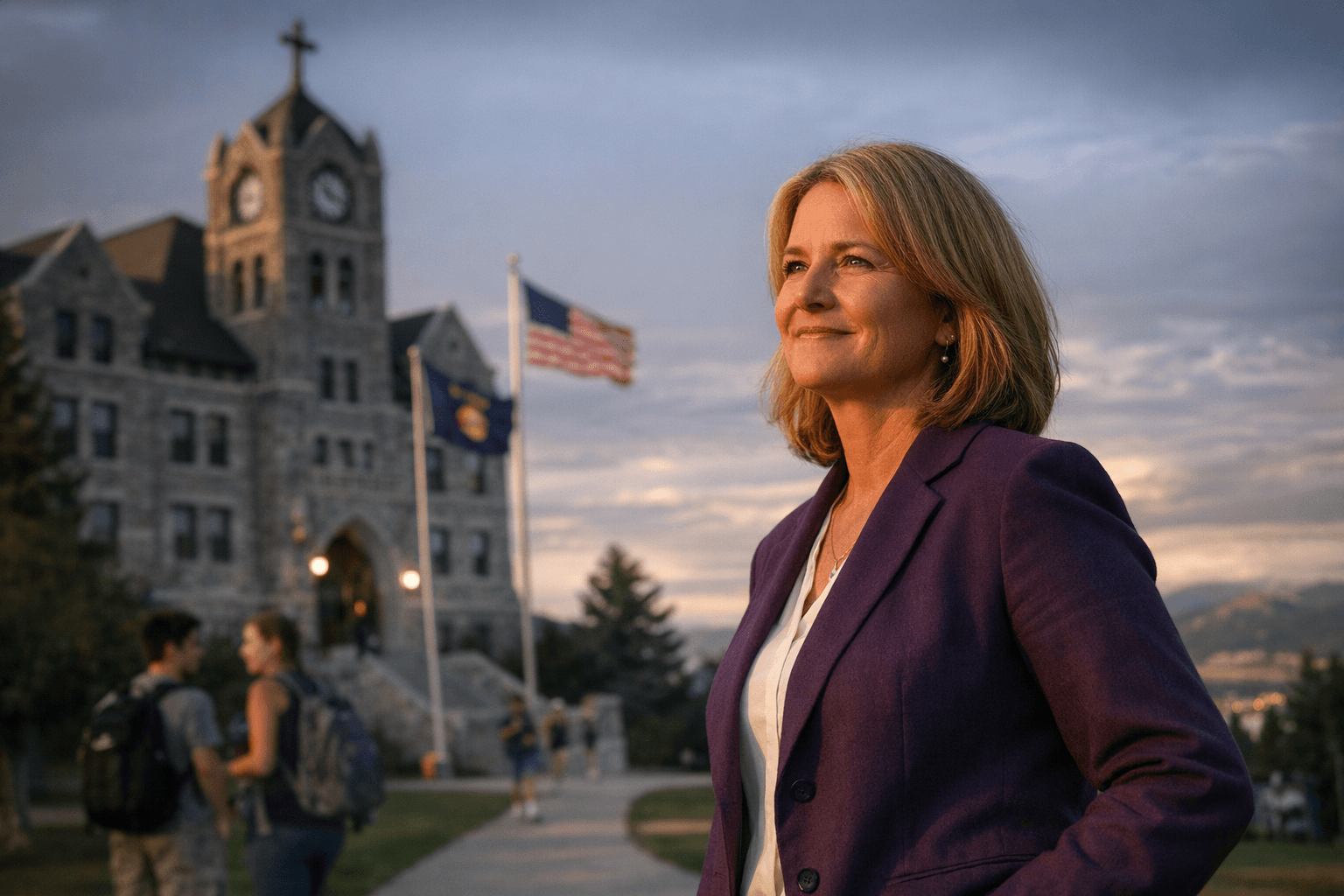
Carroll College formally appointed Jennifer Glowienka, Ph.D., as its 20th president on November 24, 2025, setting a July 1, 2026 start date for the leadership transition. The selection marks a historic milestone for the college, which was founded 116 years ago, and represents a notable shift in institutional leadership at a time when higher education institutions are facing demographic and fiscal pressures.
Glowienka holds a doctoral degree and her selection follows a campus review and transition planning process that will unfold over the coming months. The college has framed the change as a planned transition, with campus offices and governance bodies preparing for the incoming administration throughout the spring and early summer of 2026. Incoming leadership will inherit ongoing responsibilities that include enrollment strategies, academic program stewardship, and external partnerships that connect the college with the surrounding community.
For residents of Lewis and Clark County the appointment carries more than symbolic weight. College presidents shape local workforce development by influencing program priorities and collaborations with local employers. Carroll College has long been a source of students who enter fields such as education, social services, and health related careers, and presidential priorities can affect training pipelines that local employers and health care providers rely on. A president committed to community based engagement can deepen partnerships that support public health initiatives, student internship opportunities, and continuing education for area professionals.
The historic nature of the appointment also touches on issues of equity and representation in leadership. Having the first woman serve as president may change institutional culture and broaden mentorship opportunities for students and staff from underrepresented groups. That shift could promote more inclusive decision making in campus policies that affect accessibility, student health, and community outreach.
As the July 1, 2026 transition approaches, campus groups and community partners will be watching how early priorities are set, and how administrative continuity is managed to sustain programs that serve Lewis and Clark County residents. The new presidency will be measured by its ability to strengthen ties between the college and the broader public, to support local workforce needs, and to advance equitable access to education and community well being.
Know something we missed? Have a correction or additional information?
Submit a Tip