Columbia Gold Project Proposes Exploration Drilling in Blackfoot Valley Near Lincoln
Sentinel Metals filed with DEQ to drill 14,359 feet of exploratory boreholes near Lincoln; some holes would pierce the groundwater table in the Blackfoot watershed.
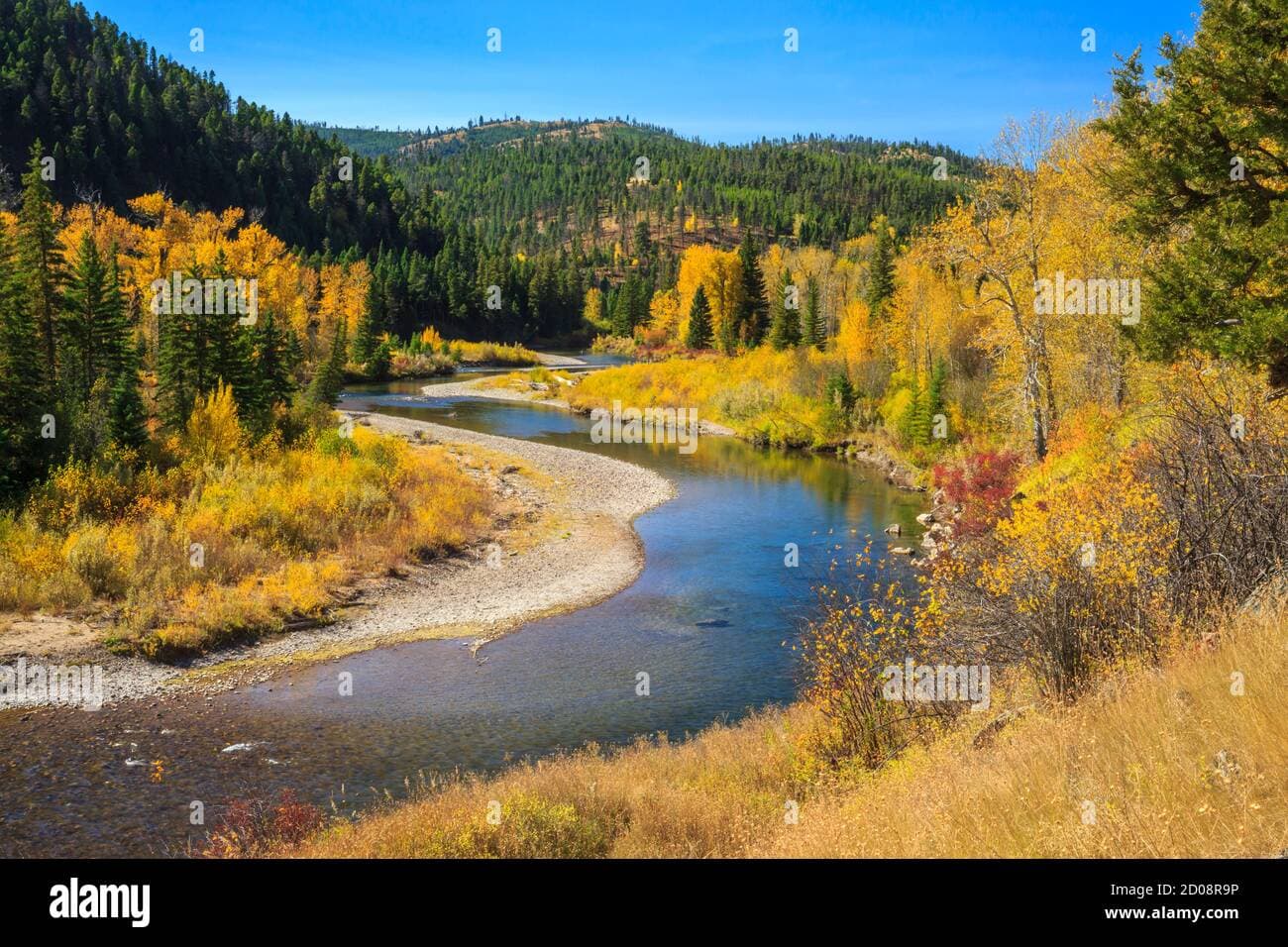
Sentinel Metals, operating in Montana as Great Plains Mining, LLC, filed a proposal with the Montana Department of Environmental Quality to drill exploratory core holes across 1.53 acres of the Blackfoot Valley near Lincoln, with the company's own project documents acknowledging that some boreholes would pierce the groundwater table in a watershed that took years of cleanup work to stabilize.
DEQ released a draft Environmental Assessment of the Columbia Gold Project on March 30, triggering a public comment period that has since been extended. The draft EA is a review and disclosure document, not a drilling authorization; the agency cannot issue a license until Sentinel Metals posts a reclamation and performance bond and satisfies statutory requirements. That bonding requirement is one of DEQ's primary tools for ensuring disturbed areas get restored if drilling proceeds.
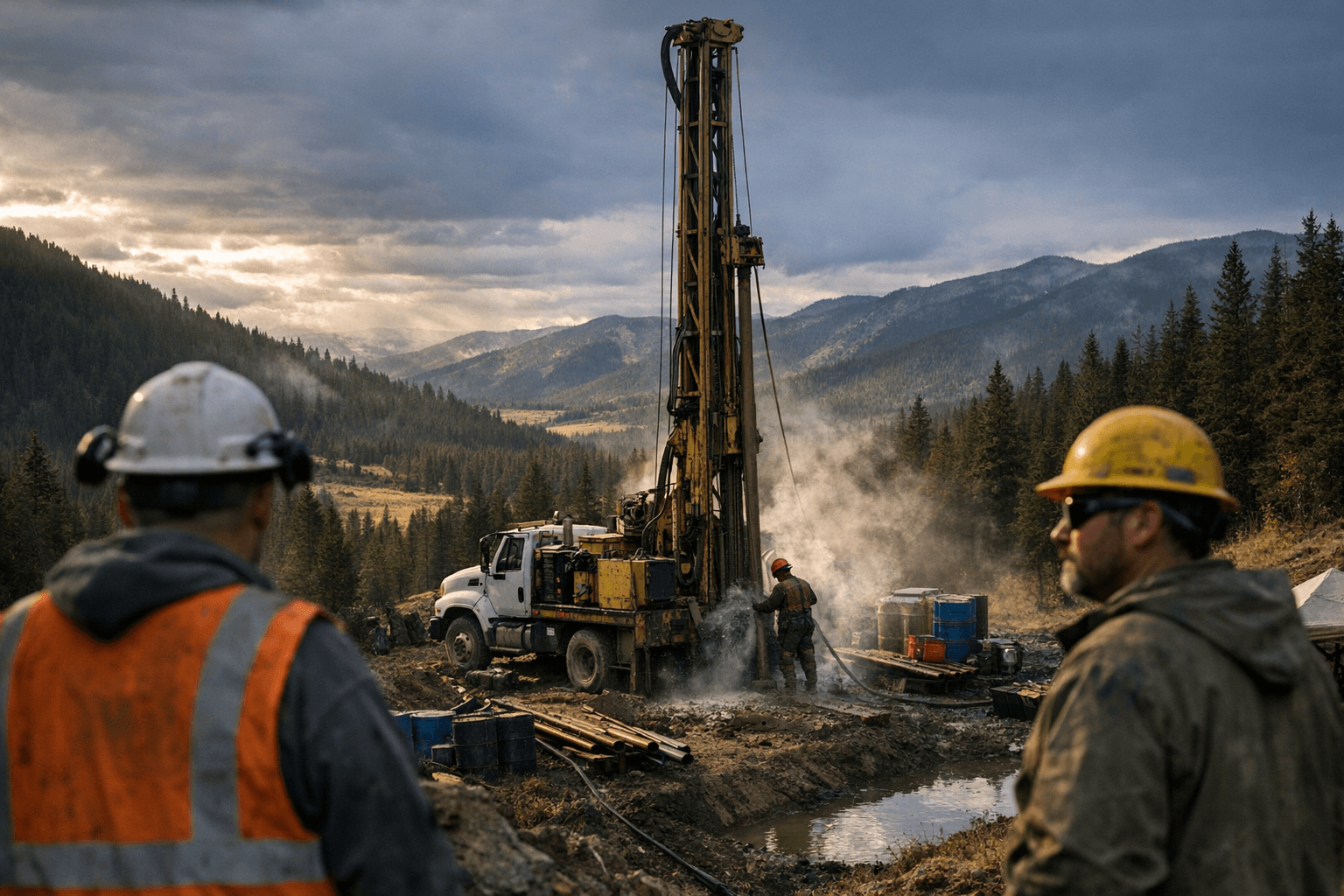
The scale of what Sentinel Metals is proposing is substantial for an exploratory program. The plan calls for multiple core drill holes reaching a combined 14,359 feet, with individual boreholes going as deep as 2,296 feet. No new permanent roads are planned; crews would use overland travel to access drill sites, meaning surface disturbance to meadows and draws in the drainage even without formal road construction.
Whether the groundwater intersection points become the central regulatory dispute will likely depend on what monitoring protocols DEQ attaches to any approval. The Blackfoot headwaters carry the legacy of mine-waste contamination that required federal and state cleanup investment over multiple decades, and the Blackfoot River itself operates under ongoing water quality protections. Conservation groups and water users are watching whether DEQ's licensing conditions would require real-time groundwater monitoring and what triggers would halt operations if contamination is detected.
The comment period is where Lewis and Clark County residents, downstream water users, and tribal nations can formally put those questions into the administrative record. DEQ must consider all written comments before issuing a final decision on the exploration license. Community members tracking the project have concentrated on four pressure points: groundwater monitoring adequacy, fisheries impacts, whether the reclamation bond reflects actual remediation costs at this specific site, and the critical distinction between exploration approval and full mine permitting. That distinction matters because exploration approval, if granted, would not automatically authorize a producing mine; that would require a separate regulatory track under Montana's Hard Rock Mining Impact Trust Fund Act.
Sentinel Metals has not publicly announced a timeline for when it expects DEQ to complete its review or when drilling would begin if approved. The agency's extension of the comment deadline means that timeline remains open while DEQ collects public input, and any license issued would still require the bond to be posted and accepted before a single drill rig moves into the valley.
Know something we missed? Have a correction or additional information?
Submit a Tip