Community-Driven Helena TrainTracker Launches, Alerts Drivers to Blocked Crossings
Helena residents launched Helena TrainTracker to show real-time status of about 10 railroad crossings, helping drivers avoid blocked crossings and save time.

A community-built website called Helena TrainTracker went live on Jan. 26 to alert drivers when one of Helena’s roughly 10 railroad crossings is blocked, aiming to reduce delays and frustration for people driving across town. The service displays an interactive map of crossings with live status indicators, refreshes automatically, and can be added to a phone home screen like a web app for quick access.
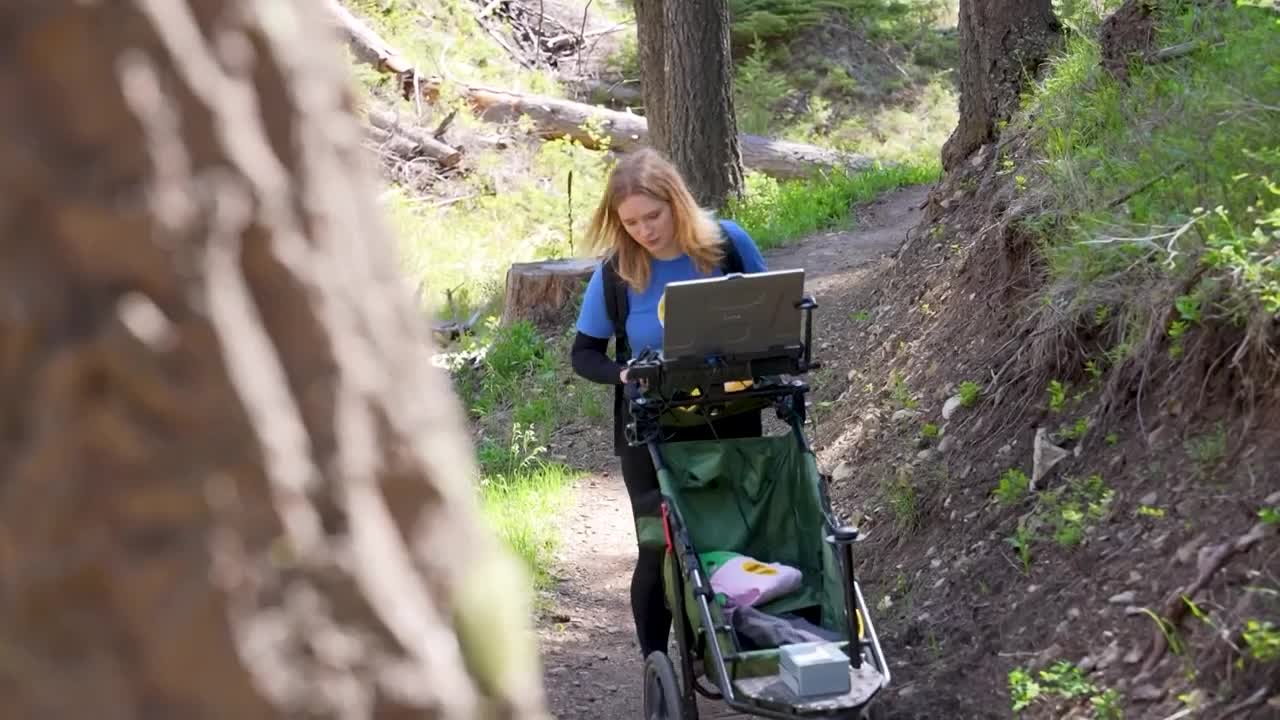
Keara Fairclough, a Helena resident and the creator of the tracker, built the site after repeated encounters with unexpected stopped trains that stalled commutes and local errands. The tool depends on community reporting: users update a crossing’s status when they encounter a stopped train, and that real-time crowd-sourced input drives the map’s indicators. The site already draws a few hundred daily users, suggesting rapid uptake among local drivers who value on-the-ground updates.
For Lewis and Clark County motorists, the tracker changes how short trips and cross-town routes are planned. Blocked crossings can add minutes to commutes, complicate school runs and commercial deliveries, and increase idling time that contributes to localized emissions. With Helena TrainTracker accessible from a phone home screen, drivers can decide whether to wait, reroute, or delay departure with better information than a visual check at a single crossing.
The community-driven model trades centralized infrastructure for rapid, low-cost updates from people on the streets. That approach lowers startup costs but leaves reliability tied to user participation and coverage. At current traffic levels of a few hundred daily users, the tracker appears most effective during peak local usage, while wider adoption would strengthen its predictive value and reduce false positives or gaps in reporting.
Beyond immediate convenience, the tracker has potential policy and public-safety implications. Aggregated, time-stamped reports could help Lewis and Clark County traffic planners and emergency responders understand frequency and duration of blockages, and could inform discussions with rail operators about scheduling and crossing management. For small businesses that rely on timely deliveries, measurable reductions in delay could produce modest savings over time if the tool reduces repeated idling and rerouting.
To use the service, add Helena TrainTracker to a phone home screen like a web app and check the crossing map before leaving. Continued reliability will depend on more users reporting crossings and on any future technical or institutional partnerships that might emerge. For Helena drivers, the tracker is an example of local problem-solving that turns shared frustration into a practical tool that saves minutes, reduces stress, and helps keep traffic moving.
Know something we missed? Have a correction or additional information?
Submit a Tip