DEQ approves Columbia Gold exploration near Lincoln, final environmental review released
DEQ cleared Sentinel Metals to drill up to 21 holes near Lincoln, but work cannot begin until the company posts a $338,792 reclamation bond.
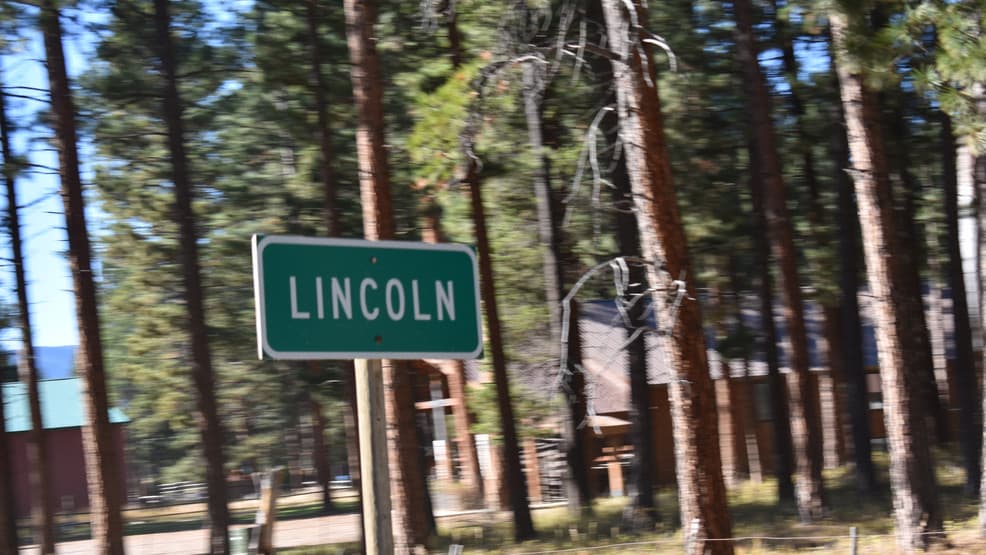
Montana regulators have cleared Sentinel Metals’ Columbia Gold Project to move ahead with exploratory drilling near Lincoln, but the company still has to post a required reclamation bond before any work begins. The approval opens the door to as many as 21 bore holes on private land about 14 miles east of town, in the historic Lincoln Mining District and between the Seven Up Pete and Hogum Creek watersheds.
DEQ’s final environmental assessment, dated June 5, selected the company’s proposed action alternative and set the project’s total reclamation cost estimate at $338,792. The work is limited to exploration: Great Plains Mining, LLC, Sentinel’s subsidiary, proposes up to 14,359 feet of core drilling to a maximum depth of 2,296 feet. DEQ says the disturbance would cover up to 1.53 acres, mostly on ground already disturbed by earlier exploration, and no new access roads would be built. Some of the holes are expected to reach the groundwater table, a detail that has sharpened concern among watershed advocates watching the Blackfoot system.
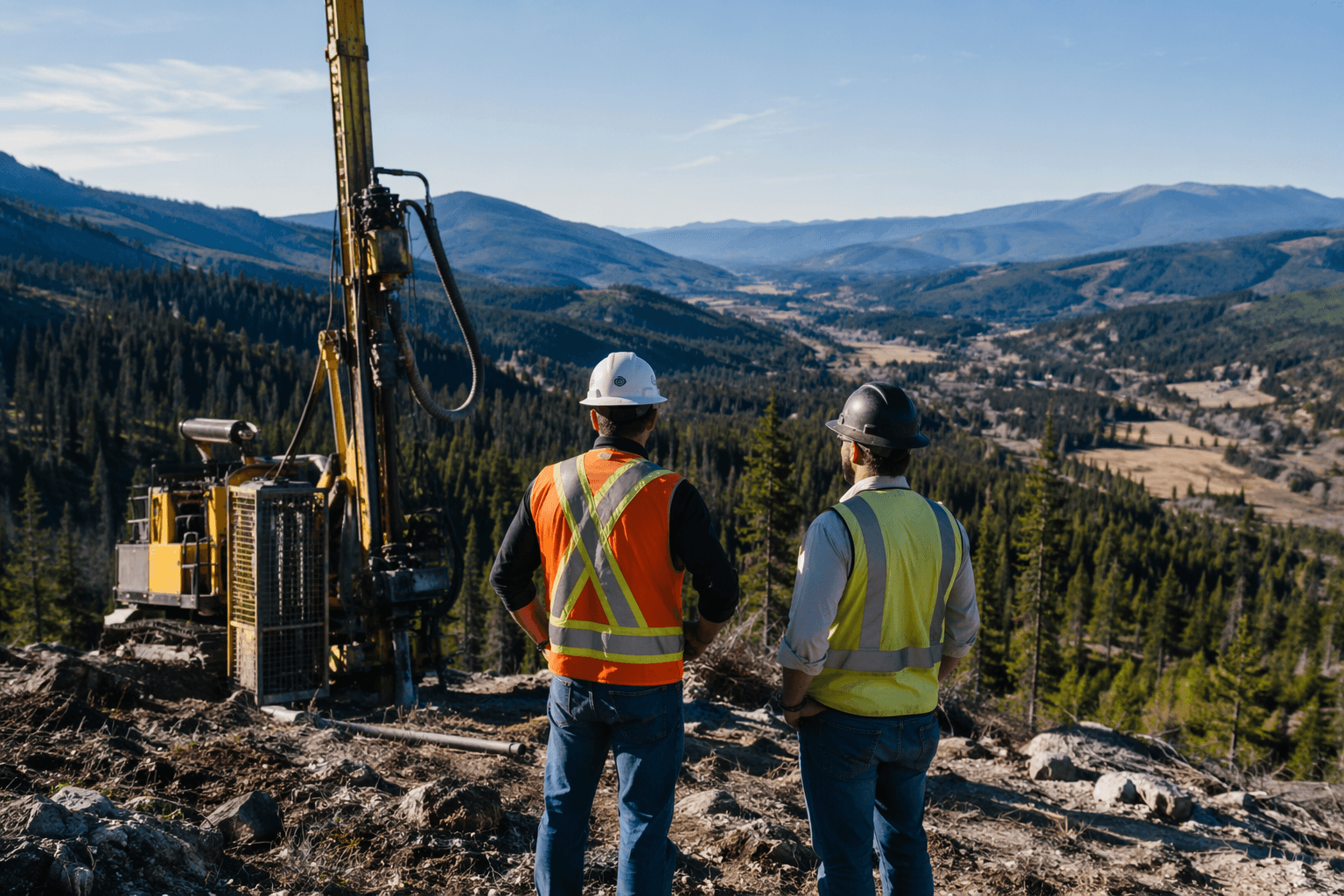
Sentinel has described the project as its maiden drill program at Columbia Gold-Silver and says the goal is to gather geological and environmental data before any mining decision is made. The company bought the land and mining claims in 2016 after the previous owners went bankrupt. At an April 10 community meeting in Lincoln, more than 75 people turned out, with reactions split between hopes for jobs and fears of another round of mining damage. Jennifer Klinker, who runs a tow truck company in Lincoln, backed the project and said it could help the local economy. Ellen Schouten said she worried the old mine’s legacy could be repeated.
The Clark Fork Coalition and other watershed advocates have argued the drilling could affect water quality, groundwater and native fish habitat in the upper Blackfoot River system. They have pointed to sediment and metal pollution left by historic mining in the watershed, a reminder that the economic promise of a new exploration program comes with real risk for nearby landowners, outfitters, tourism operators and water users who depend on clean streams.
The decision now moves into the compliance and appeal phase. Challenges to DEQ’s approval must be filed within 90 days of the June 5 decision, while Montana Environmental Policy Act challenges must be brought within 60 days. DEQ staff also attended the Lincoln meeting to answer questions, and the company mailed postcards to homes in the area’s ZIP code to draw people to the discussion. For Lincoln and the surrounding drainage, the next question is not whether Sentinel can drill in theory, but how closely the project is watched once the bond is posted and the rigs move in.
This article was produced by Prism’s automated news system from verified source data, official records, and press releases, then run through automated quality and moderation checks before publishing. The system is built and supervised by the people who set the standards it runs under. Read our full AI policy.
Did this article answer your question?