Discounted Radon Test Kits Offered to Montana Residents This Month
The Montana Department of Environmental Quality offered discounted radon test kits for $5 during National Radon Action Month, making screening more affordable while supplies last. The move matters for Lewis and Clark County residents because Montana geology raises the risk of elevated radon and roughly half of tested homes statewide have historically measured at or above the EPA action level of 4.0 pCi/L.
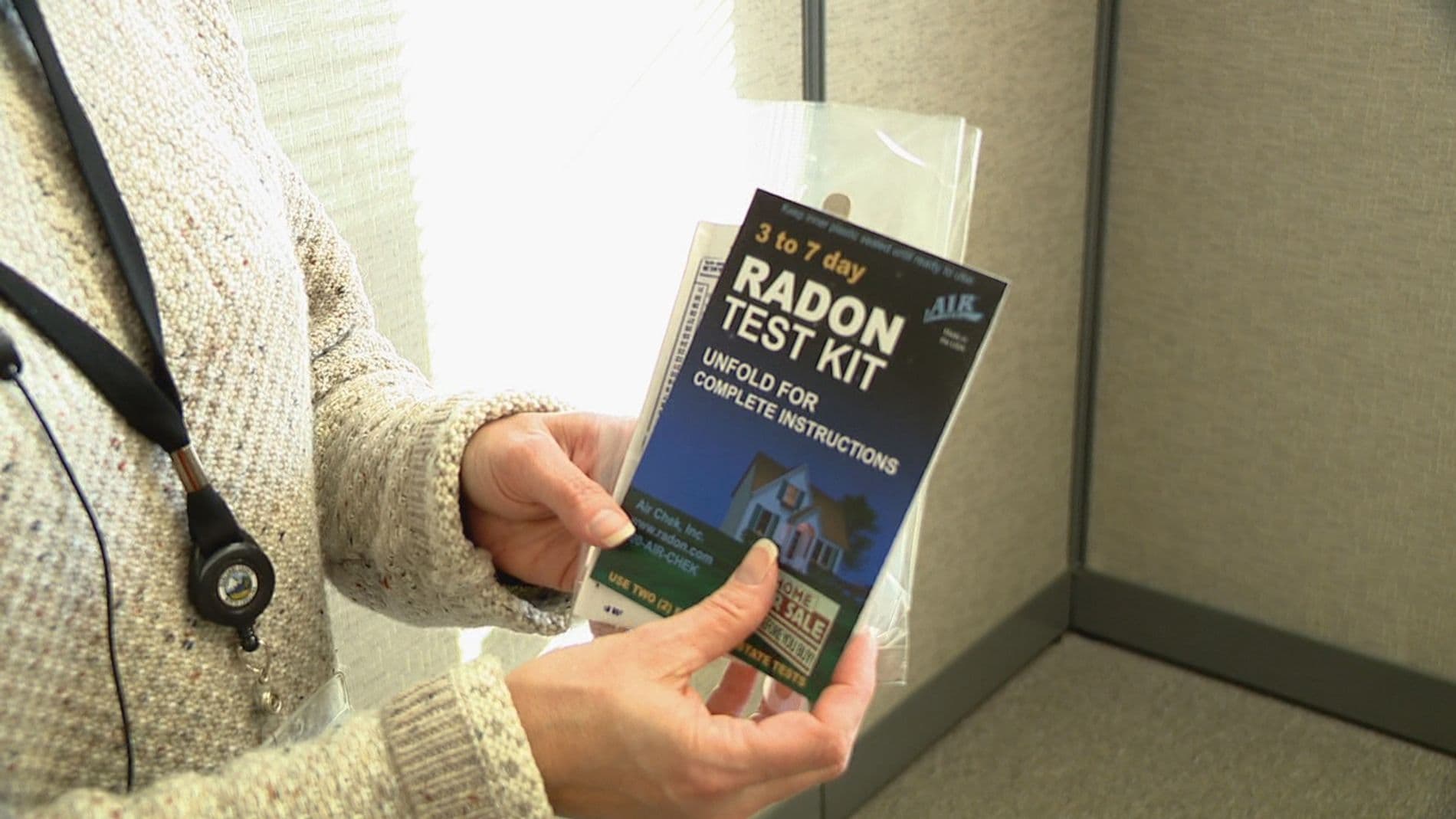
The Montana Department of Environmental Quality opened access to reduced-price radon test kits in January to encourage homeowners and renters to assess indoor radon levels. Kits that typically cost between $12 and $40 were made available for $5 on the DEQ website while supplies lasted, with funding for the program coming in part from an EPA grant.
Radon is a naturally occurring radioactive gas tied to Montana’s geology, and the DEQ emphasized routine screening. The agency recommends testing every two to five years, focusing tests on the lowest occupied floor of a home or after any structural changes that could alter airflow or foundation sealing. Kits are normally shipped within about two weeks, include prepaid return postage and laboratory analysis, and results are emailed to the requester after testing is complete.
Public health implications are significant for Lewis and Clark County. The EPA action level for radon is 4.0 picocuries per liter, and historically roughly half of Montana homes that have been tested showed levels at or above that threshold. Exposure at or above the action level is considered a health concern; screening is the first step to identify problems so that mitigation can be planned and implemented where necessary. The DEQ provides guidance on mitigation strategies and maintains a list of radon service providers for residents who need professional help.
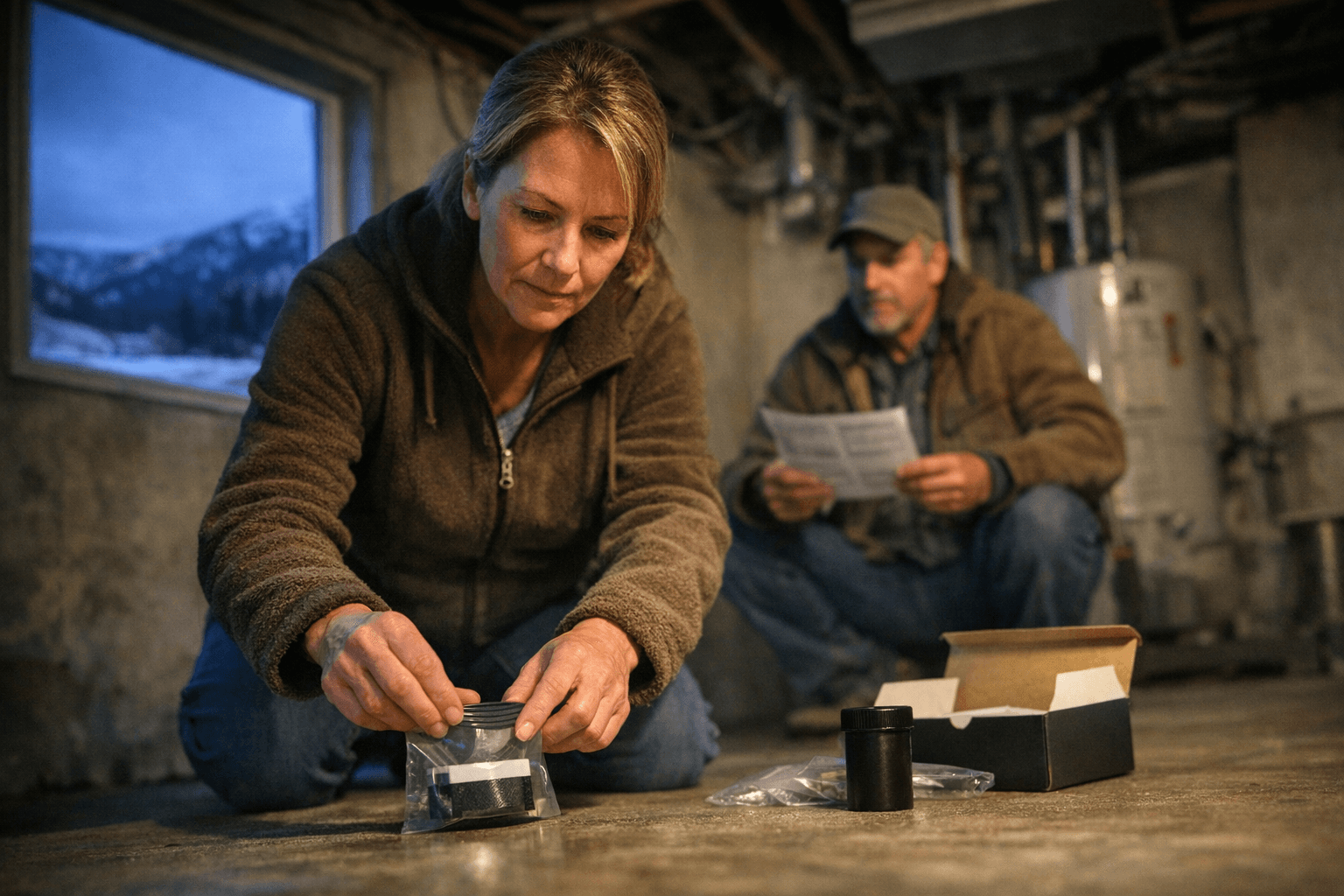
Making test kits affordable lowers one barrier to detection, but community impact depends on follow-through. Mitigation of elevated radon can require home repairs or installation of ventilation systems, and those costs can be a significant hurdle for low-income households and renters. The DEQ program’s partial EPA funding helps with testing distribution, but sustained public investment or local assistance may be needed to support mitigation in vulnerable communities.
For county officials and public health partners, the discounted kits present an opportunity to promote testing outreach in neighborhoods with older housing stock, rental properties, and populations less likely to test on their own. Residents should test their homes following the DEQ’s recommendations and consult the agency’s mitigation guidance and provider list if results show elevated levels. Early detection and timely remediation can reduce potential health risks and strengthen housing equity across Lewis and Clark County.
Know something we missed? Have a correction or additional information?
Submit a Tip