Montana updates fish-eating guidance after PFAS found in local waters
Fish from the Missouri River, Lake Helena and Prickly Pear Creek now carry updated PFAS meal limits as Montana adds 21 new or revised advisories statewide.
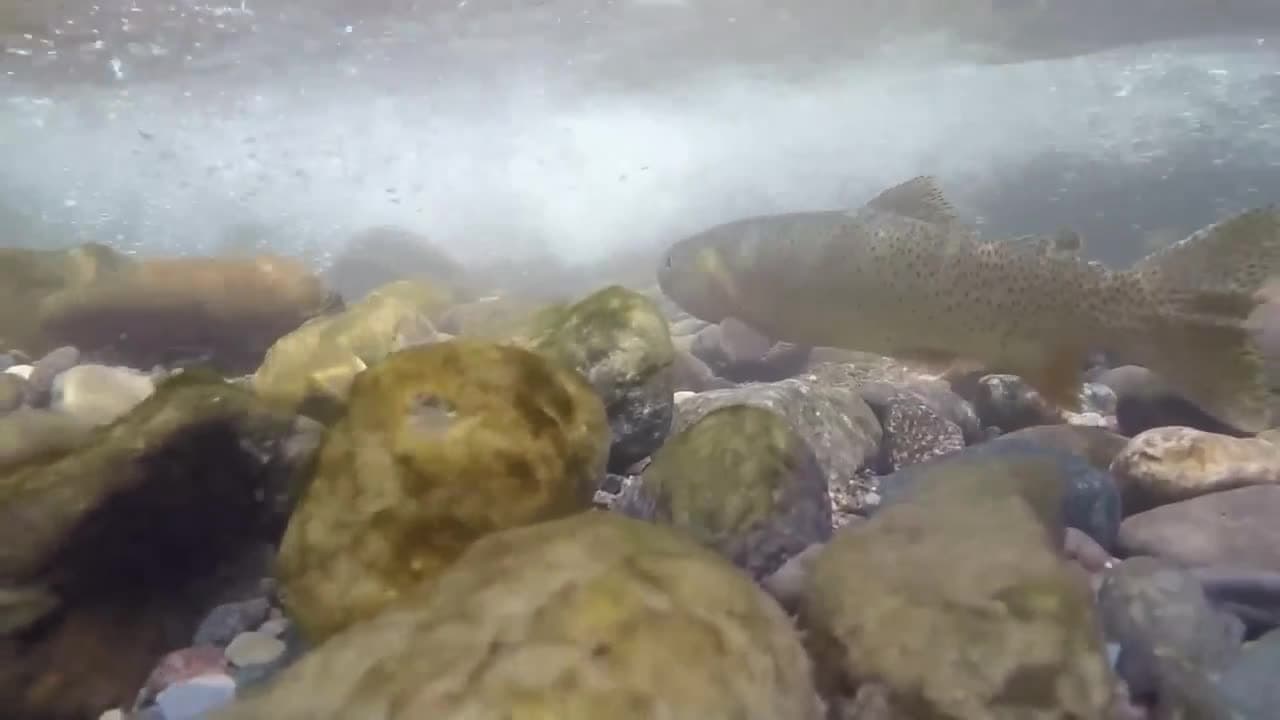
Fish pulled from the Missouri River, Lake Helena, Whitmore Ravine and Prickly Pear Creek now sit inside Montana’s newest PFAS eating guidance, a statewide update that gives Lewis and Clark County anglers a more specific answer to a long-running health concern.
The Interagency Fish Consumption Advisory Group released the updated advice on April 23 after reviewing 2023 and 2024 fish tissue and surface water sampling from 11 water bodies across Montana. Using the Agency for Toxic Substances and Disease Registry’s Minimum Risk Level as the health guidance value, the state issued 21 new or updated fish-consumption advisories. For Helena-area families who keep fish for the table, the practical change is that the state now has a tighter, fish-based measure of how much catch from a given water can be eaten.
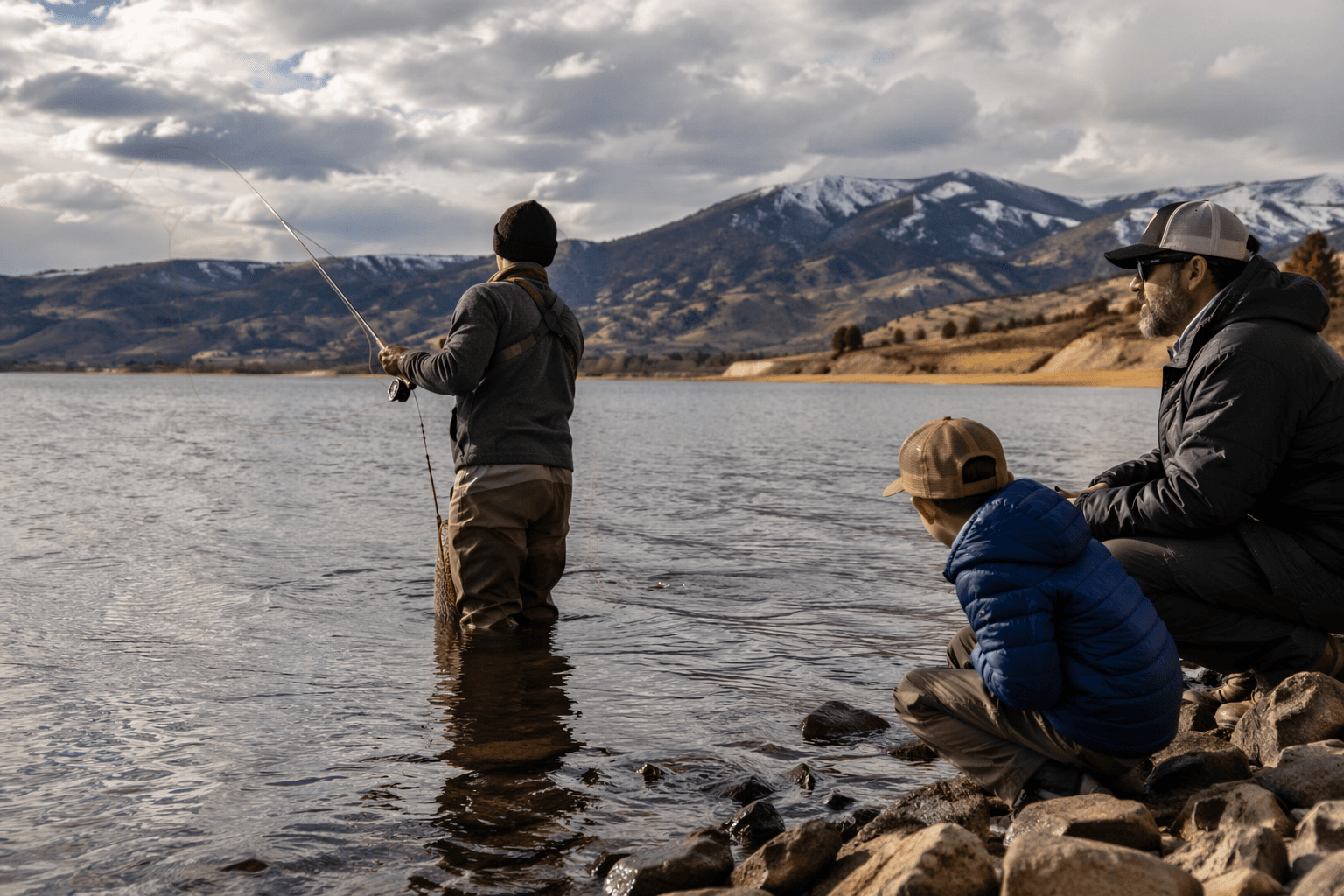
That shift matters because Montana looked at the contamination in the fish themselves, not just in the water. Trevor Selch of Montana Fish, Wildlife & Parks said the state had never before examined PFAS in fish tissue, which is the part people actually eat. PFAS, the man-made chemicals used since the 1940s, do not break down easily and can build up over time. State officials say studies have linked higher exposure to increased cholesterol, decreased birth weight, pregnancy complications, lower vaccine response and some cancers.
The Helena basin already showed warning signs years earlier. A 2021 Department of Environmental Quality surface-water report found nine PFAS compounds in the area and recorded the highest total concentration at 26.05 parts per trillion in Prickly Pear Creek, two miles upstream of the Tenmile Creek confluence. DEQ’s Helena materials say sites near Lake Helena and Prickly Pear Creek were chosen because they sit downgradient of potential sources such as sewage lagoons, septic tanks and drain fields.
That history fed directly into the fish study. In 2023, Montana Fish, Wildlife & Parks electrofished a half-mile stretch of Prickly Pear Creek near the Prickly Pear Fishing Access Site after PFAS had already been detected there in surface water. The state’s fish-tissue effort was designed to screen edible-sized fish for PFAS contamination, turning earlier water monitoring into advice that can be used at the dinner table.
Montana’s PFAS Action Plan dates to June 2020, and the fish tissue and surface water study began in 2023 to meet its goals. For Lewis and Clark County, the update does not close the book on PFAS, but it does give anglers and families a clearer, locally grounded standard for deciding what fish to bring home and how often to serve it.
This article was produced by Prism’s automated news system from verified source data, official records, and press releases, then run through automated quality and moderation checks before publishing. The system is built and supervised by the people who set the standards it runs under. Read our full AI policy.
Did this article answer your question?