Downtown Helena's Last Chance Gulch Preserves Gold Rush History for Visitors
Louis Reeder's 1870s brick alley is the oldest intact piece of early Helena, and it's the best starting point for unlocking the gold rush city hiding in plain sight downtown.
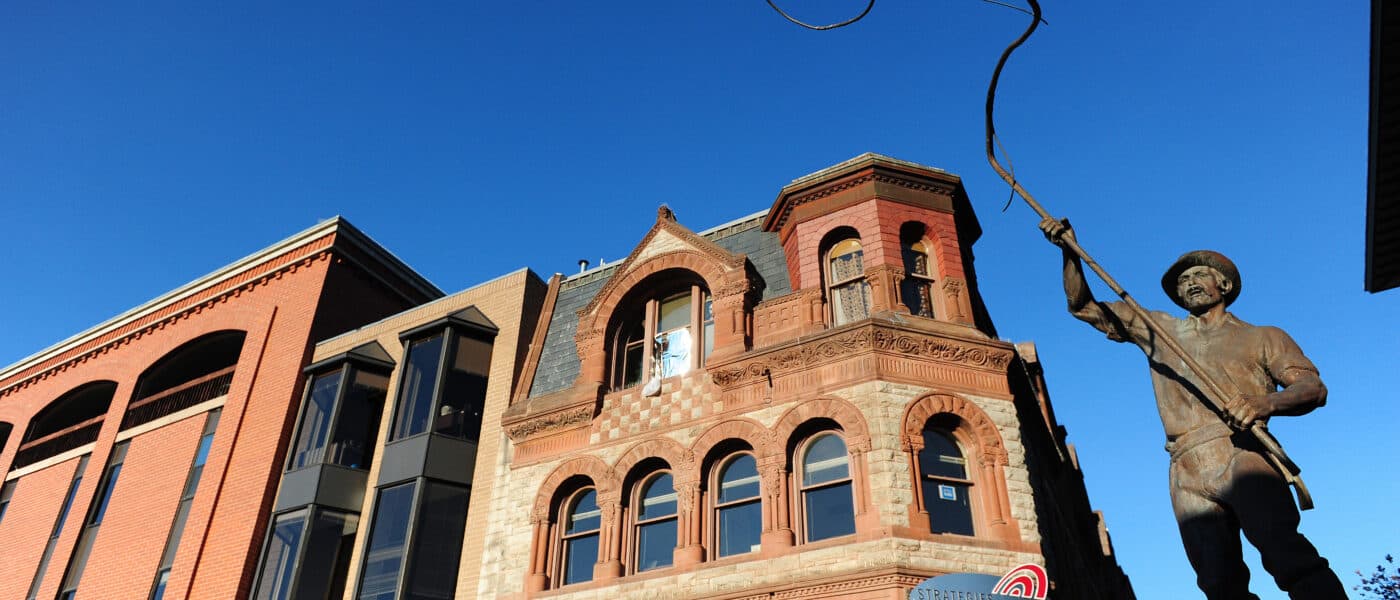
Gold was discovered along Last Chance Stream in 1864, and within two decades the camp that became Helena had produced roughly 50 millionaires. That wealth built the ornate commercial facades, the soaring Cathedral of St. Helena, and the tight alley of brick row houses still standing at the base of Mount Helena today. Walking Last Chance Gulch on a weekday morning, past the water features and locally owned galleries, it is easy to forget that the pedestrian mall beneath your feet was once the main channel where placer miners worked the gravel. The layers are still there if you know where to look.
The Street That Kept Its Name
Most American boomtowns renamed their main streets after they went respectable. Helena never did. Last Chance Gulch carries the name the first miners gave it when they struck it rich along Last Chance Stream, and today it serves as a walking mall filled with art, water features, retail shops, restaurants, historic landmarks, and more. The Gulch features custom art galleries, one-of-a-kind apparel stores, unique gift shops, sporting goods stores, dining, microbreweries, and entertainment venues, all of them locally owned. Helena was founded as a gold mining camp during the Montana Gold Rush in 1864, and with the rush it became a wealthy city with approximately 50 millionaires inhabiting the area by 1888.
The Five Stops Locals Recommend First
Navigating downtown is easiest with a mental map of its five anchor sites. These are the places longtime Helenans point to when visitors ask what they should not miss:
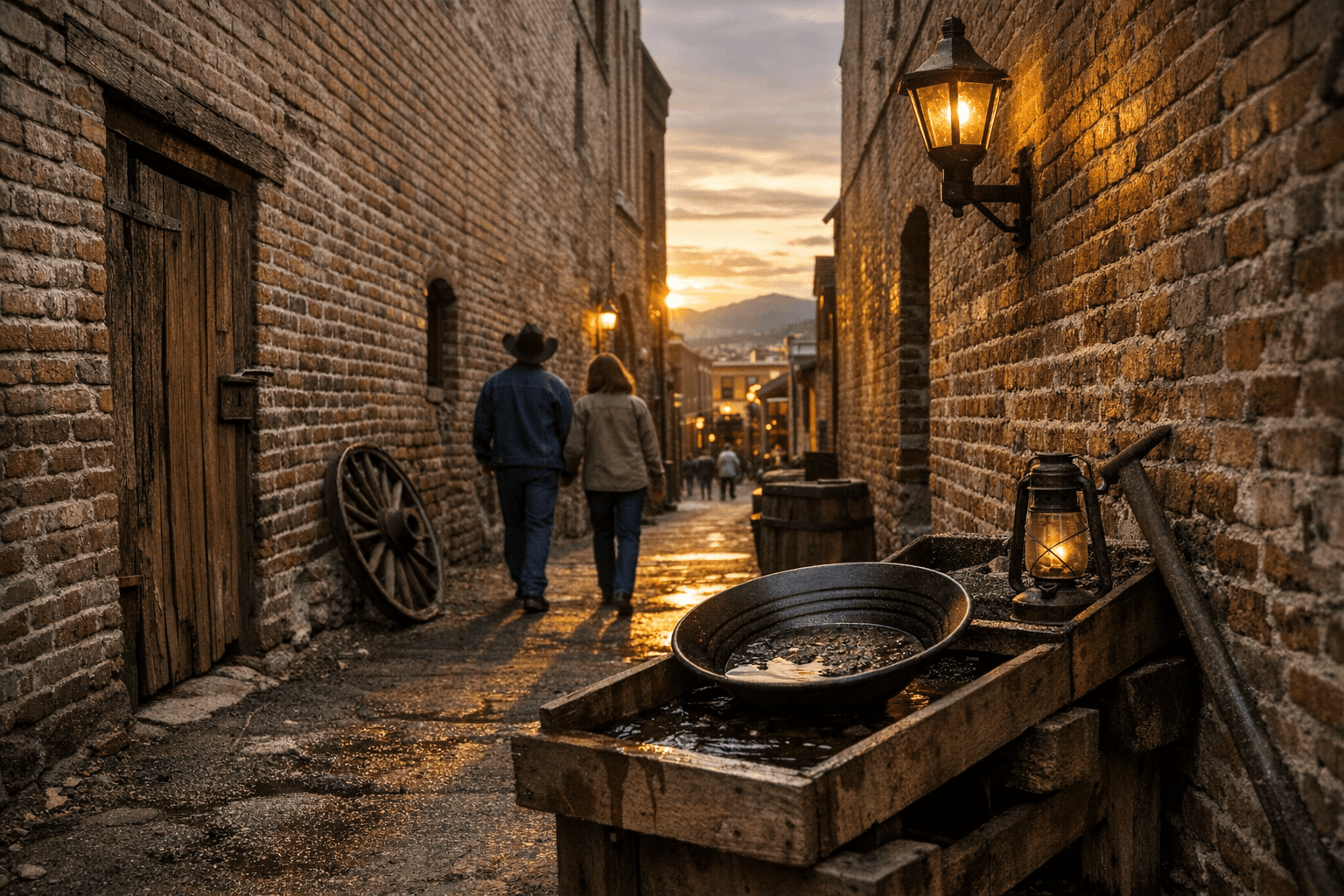
- Reeder's Alley. Located at the base of Mount Helena in the southwest corner of downtown Helena, Reeder's Alley was built in the 1870s by Pennsylvania brick and stone mason Louis Reeder, and it is the oldest intact piece of early Helena. At one time, some 32 one-room apartments spread along the narrow alley in various buildings, and less than half remain. During those days, rent was paid in gold dust. The Pioneer Cabin and the Caretaker's Cabin are owned and managed by the Montana Heritage Commission, State of Montana.
- The Last Chance Gulch Walking Mall. The pedestrian-only corridor is the geographic and social center of downtown. The area retains its historical charm with many buildings showcasing architectural styles from different eras, and the presence of historical markers and a stationary trolley car serve as constant reminders of its gold rush origins. In the summer, the Alive@Five free weekly concert series on Wednesday nights is a wonderful place to bring the family.
- Cathedral of St. Helena. The twin-spired cathedral is visible from much of the city and sits within easy walking or driving distance of the Gulch. Its 19th-century Gothic architecture represents the same era of capital investment that shaped the commercial district, and the Bert and Ernie's Pub Trolley tour rides past it on its circuit through the city's most historic neighborhoods.
- Montana Heritage Center. The state's flagship history museum anchors the civic end of the downtown experience. The Montana Heritage Center was being built as of early 2023 and was not expected to open until 2025, so calling ahead to confirm current hours before visiting remains good practice.
- The General Mercantile. Coffee at the General Mercantile is an experience not to be missed; it is to be savored, not rushed. It functions as a neighborhood gathering point and a practical reminder that supporting historic preservation means spending money at independent businesses on the Gulch.
Guided Tours: What They Cover and When to Book
The Montana History Foundation and Helena History Tours run five distinct guided experiences, and several rank among the most informative ways to understand what you are looking at when you walk the district. The Helena History Tours office is located at 111 Reeder's Alley; look for the Helena History Tour sign.
The Rediscover Reeder's Alley tour is a 45-minute guided walking tour covering the founding story of Louis Reeder's district and is available year-round upon request. The Red Light Rendezvous is a 75-minute downtown walking tour beginning at historic Reeder's Alley that explores the colorful history of Helena's wild red-light districts, with stories of entrepreneurial madams and mischief that divulge the rise and fall of Helena's underworld, a forgotten history of the capital. The Echoes of the Old World tour uses a pub trolley to meet the people, businesses, and sites that explain how a diverse group of immigrants helped establish and maintain the gold mining camp turned capital city.
The Pedaling Through the Past tour runs roughly two hours on the Bert and Ernie's Pub Trolley, passing through Helena's Mansion District, riding past the St. Helena Cathedral, and circling through Reeder's Alley. Drinks are welcome on board. It meets at Blackfoot River Brewing Company at 66 S. Park, runs Tuesdays at 5:30 p.m., and costs $30 per adult and $20 per junior for ages 15 and under.
Tours run June through September as the peak season. The Pedaling Through the Past tour books fast, and reserving in advance is strongly recommended. Tours available year-round by request can be reached at helenahistorytours@gmail.com.
Three Rules Locals Know That Visitors Often Learn the Hard Way
Understanding these three points before you arrive will save time and frustration:
1. Paid parking enforcement is real, Monday through Friday, 8 a.m. to 5 p.m. Street parking and parking lots are available around town, with paid parking enforced Monday through Friday from 8 a.m. to 5 p.m.
The Passport Parking app lets you find parking in downtown Helena and pay safely through your device instead of feeding a meter, and you can extend your parking time without returning to your car. Parking runs approximately $1 per hour at most downtown locations.
2. Summer tours fill quickly, so book before you arrive. The Red Light Rendezvous, the Echoes of the Old World trolley, and the Pedaling Through the Past experience all draw strong demand during peak months.
Walking into Helena History Tours at 111 Reeder's Alley hoping for a same-day slot in July or August is a gamble that regulars do not take.
3. In winter, the brick surfaces of Reeder's Alley and the walking mall become genuinely hazardous. The City of Helena specifically flags winter slipperiness as a planning consideration, and it can be a bit chilly in the winter, though downtown truly comes alive in the summer.
The narrow alley at Reeder's and the uneven brick paving along the mall retain ice longer than standard sidewalks. Waterproof boots with traction are not optional here.
Preservation, Indigenous History, and Who Gets to Tell the Story
Downtown Helena's interpretive mission extends well beyond gold rush mythology. The property at Reeder's Alley is a strong link to the beginnings of a settlement here, offering insights into the lives of miners, the Chinese influence, building techniques of the time, and the life of the common men and women who came here seeking their fortune. The Helena and Lewis and Clark County Historic Preservation Commission, alongside the Montana State Historic Preservation Office, maintains formal district maps, primary-source archives, and building nomination documents. The City of Helena's Historic Preservation office provides interactive GIS maps identifying historic district boundaries and accessible walking routes through the city's community development pages.
Researchers and property owners seeking primary documents can access archive holdings through the Montana Historical Society and the county's community development and planning office. Museum memberships and donations to local preservation funds directly support the maintenance of buildings that no city budget can fully cover on its own.
Planning Your Visit
A half-day is the practical minimum: enough time to walk the mall, spend an hour at Reeder's Alley, and view the key civic architecture. A full day, anchored by one of the longer guided tours, reaches the neighborhoods and stories that the walking mall alone cannot tell. The City of Helena's tourism pages and the Montana History Foundation are the authoritative starting points for current tour schedules, seasonal hours, and event calendars.
The 1864 prospectors who named this place their last chance never expected the camp to survive a season. The buildings they and their successors put up are still standing, and the city that grew around the gulch has spent 160 years figuring out how to explain what happened here. That work is ongoing, and it is exactly what makes it worth your time.
This article was produced by Prism’s automated news system from verified source data, official records, and press releases, then run through automated quality and moderation checks before publishing. The system is built and supervised by the people who set the standards it runs under. Read our full AI policy.
Did this article answer your question?