Helena Groups Host Community Meeting to Defend Federal Roadless Rule
Wild Montana brought Helena residents to the Holter Art Museum on March 13 to weigh in on a federal proposal to repeal roadless protections on 6 million Montana acres.
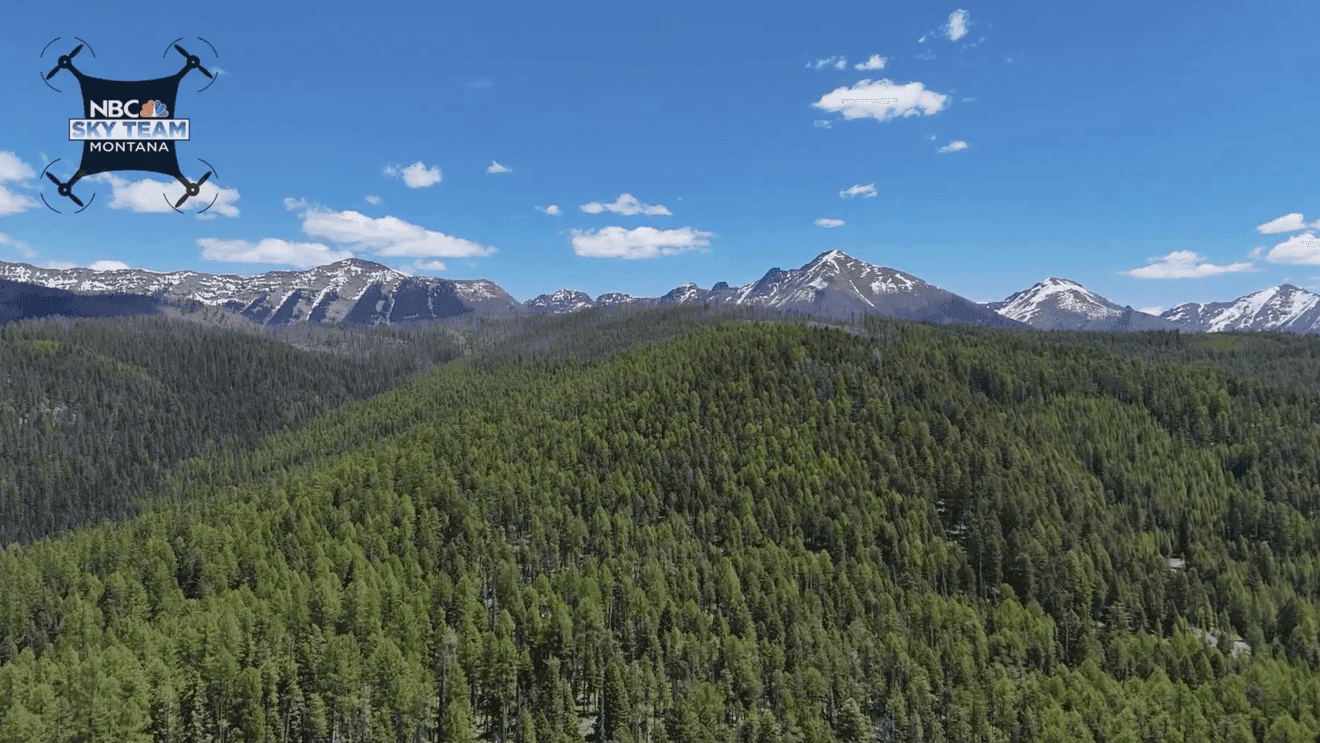
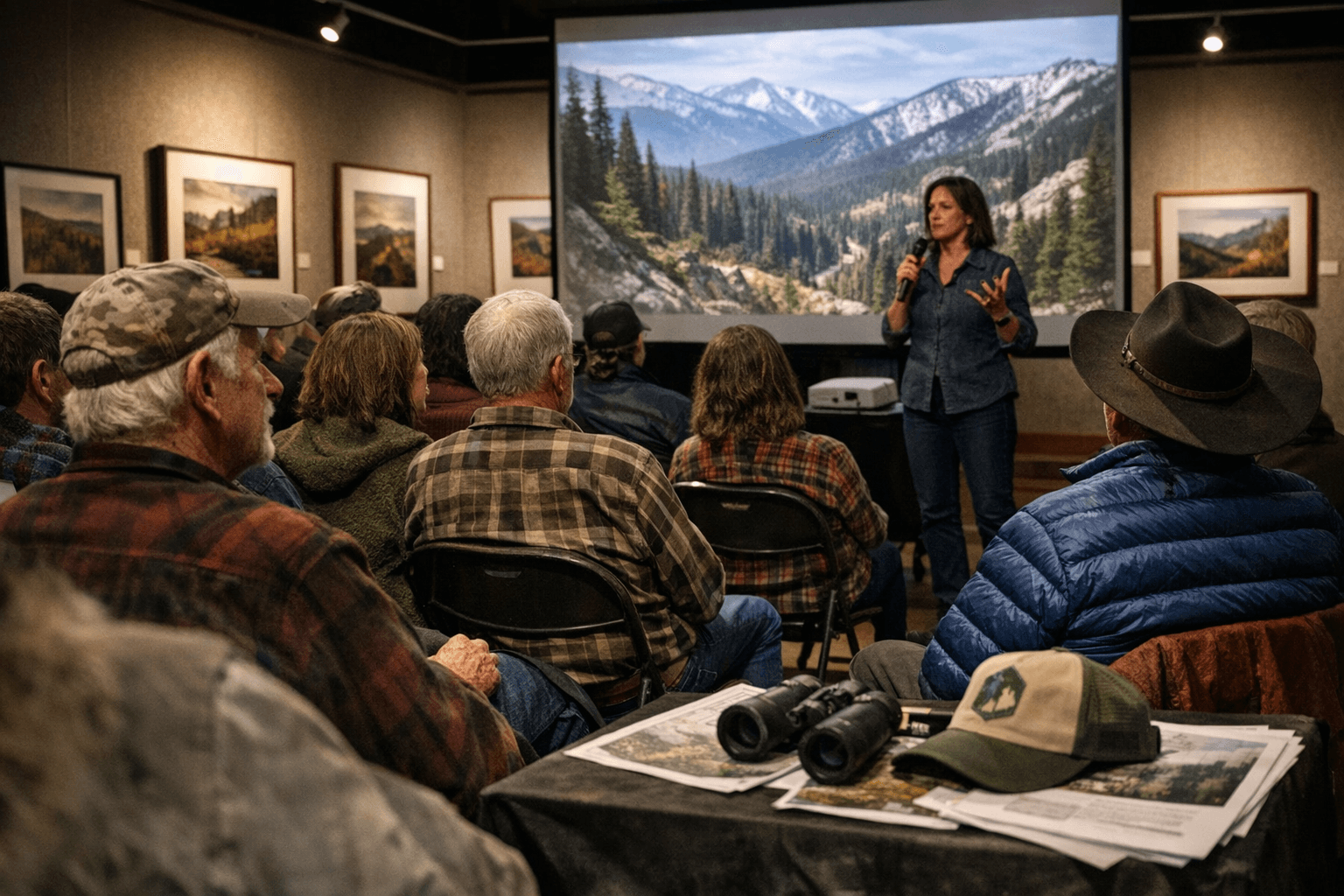
A coalition of conservation and outdoor recreation groups wrapped up a seven-city Montana tour Friday night at the Holter Art Museum on East Lawrence Street, where Helena residents gathered to weigh in on the U.S. Forest Service's proposal to repeal the 2001 Roadless Rule and its implications for the Helena-Lewis and Clark National Forest.
Wild Montana hosted the 90-minute meeting, the final stop in a statewide series that began March 4 in Kalispell and moved through Libby, Missoula, Hamilton, Butte, and Bozeman before reaching Helena. The sessions ran 6:00 to 7:30 p.m. at each location and were organized by a broader Public Lands Defense Coalition whose members include Business for Montana's Outdoors, Backcountry Hunters and Anglers, Trout Unlimited, the Montana Wildlife Federation, the Wilderness Society, Mountain Mamas, the National Parks Conservation Association, Sierra Club, and Montana Audubon.
The coalition organized the meetings after the Forest Service declined to hold any public forums of its own on the proposed repeal. In February, the groups submitted a petition signed by more than 4,000 Montanans asking the agency to do so; they received no response.
"The U.S. Forest Service is proposing to repeal the Roadless Rule without asking Montanans how we think our public lands should be managed," Wild Montana said in framing the Helena event. The rule, established in 2001, restricts road construction and most logging on roughly 58 to 60 million acres of national forest land nationwide and more than 6 million acres in Montana, including large swaths of the Helena-Lewis and Clark National Forest.
Mack Long, state chair of the Back Country Horsemen of Montana, drew a sharp contrast with the rule's origins. "When the Roadless Rule was first proposed back in 2001 there was over 600 public meetings," Long said. "I think there was 36 or 37 in Montana, and out of those meetings there was a great amount of public comment generated. That's really all we're asking for now."
Jeff Lukas of Montana Trout Unlimited argued that the lands at stake are among the most ecologically valuable in the state, describing roadless areas as "some of the most productive for fish and wildlife habitat" that "support clean water and offer social and economic benefits."
At earlier meetings in the series, a three-person panel included James Burchfield, former dean of the University of Montana School of Forestry, who argued that roadless areas tend to stay roadless for practical reasons: timber value is low, terrain makes logging expensive, and the Forest Service already cannot maintain the roads it has. By that logic, Burchfield said, roadless designations were originally a cost-saving measure, not just a conservation one.
Not all of the meetings shared the same tone. The Kalispell and Libby sessions reportedly drew several representatives of the logging industry who argued in favor of rescinding the rule, reflecting the economic stakes for timber-dependent communities in northwestern Montana.
U.S. Secretary of Agriculture Brooke L. Rollins announced the intent to rescind the rule in June. During the public comment period that followed in September, nearly 656,000 people submitted comments nationally. A Center for Western Priorities analysis of roughly one-third of those comments found more than 99% opposed to repeal. The Forest Service has characterized the rule as "outdated" and "overly restrictive," and the agency has said rescinding it would return land-use decisions to individual forest and grassland management plans, which operate on 10-to-15-year cycles and, in the agency's framing, include built-in public involvement.
The coalition plans to compile the comments gathered at all seven community meetings and submit them directly to the Forest Service, which has said a final decision on the rule is expected this fall. Residents who missed the Helena meeting can contact Wild Montana at 406.443.7350 or hello@wildmontana.org.
Know something we missed? Have a correction or additional information?
Submit a Tip