Helena historic district traces city’s rise from gold camp to capital
Helena’s 88-site historic district still shapes downtown because Last Chance Gulch follows the original gold claims, while assay and courthouse landmarks anchor civic life.
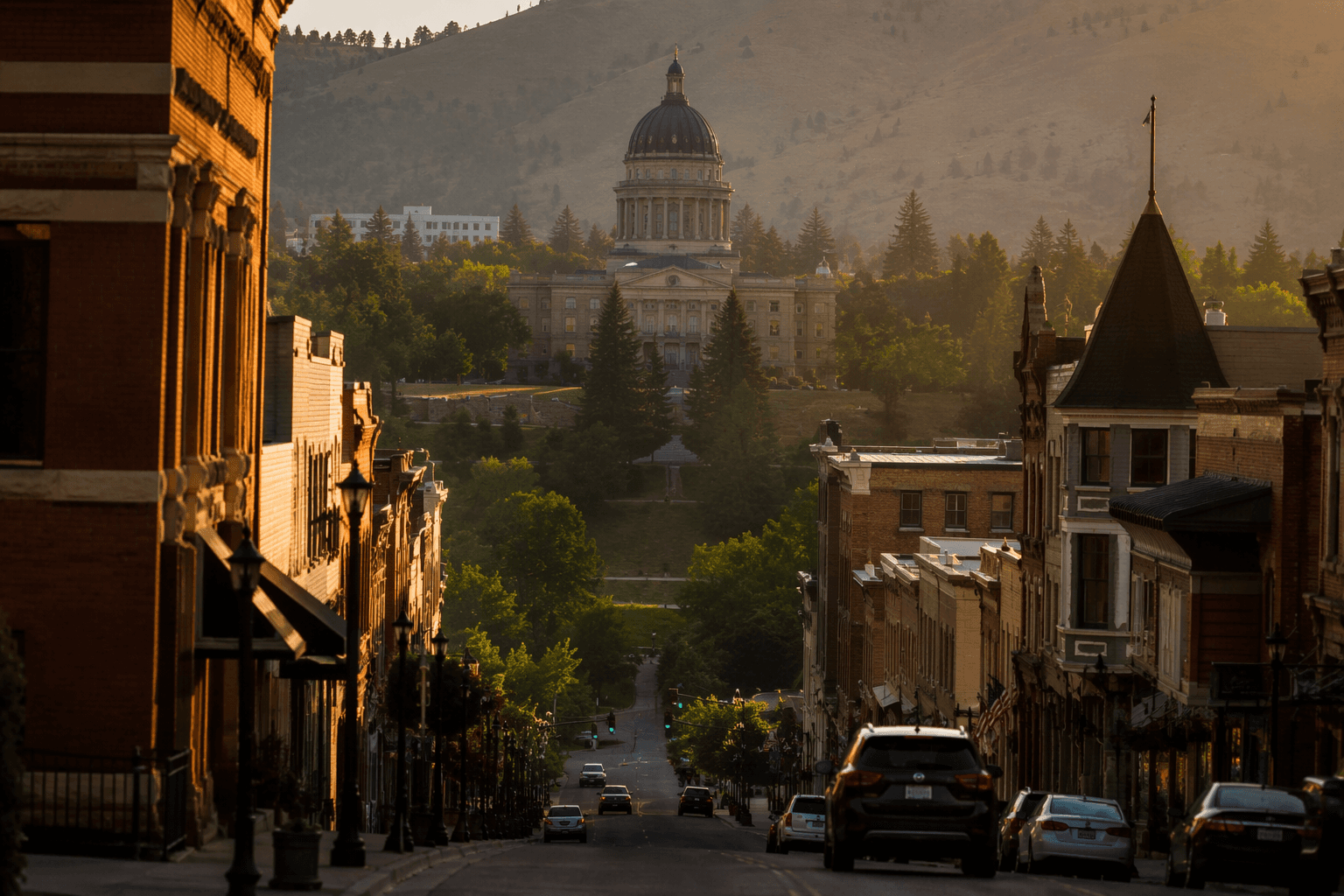
The Helena Historic District is more than a cluster of old buildings. Historic Montana lists 88 locations in the district, and the route still follows the crooked line of Last Chance Gulch, the original mining claims that gave Helena its start as a gold camp in 1864. Within a year of the placer gold discovery, the boomtown had already filled with homes and businesses in tents and log cabins, so the street pattern today still reads like a map of improvisation.
The street pattern is the story
Helena did not emerge as a planned capital. It grew out of a rush of mining, speculation, and quick construction that left its mark in the downtown grid, especially along Last Chance Gulch. Helena College traces the city’s nickname, “Queen City of the Rockies,” to that 1864 gold strike, which pushed the settlement from a camp into a regional center fast enough to reshape the county around it.
The origin story is tied to the Four Georgians: John Cowan, Daniel Jackson Miller, John Crab, and Reginald, or Robert, Stanley. Helena College says they found gold in what is now Helena’s main street and named the claim Last Chance Gulch, and another Helena history source says they worked the gulch until 1867 before heading back east. That detail matters on the ground today because the district’s odd, bending street line is not decorative planning. It is the footprint of the original claim boundaries.
A separate Southwest Montana and University of Montana history account adds the broader regional context: by the summer of 1863, news from Montana was already spreading that Alder Gulch held rich gold strikes. Montana Territory was then created on May 26, 1864, and the momentum from those discoveries helped turn Helena from one mining camp among many into a place with staying power.
Federal work and county government settled the boom
One of the clearest signs that Helena’s mining wealth had moved beyond chance was the U.S. Assay Office. Historic Montana says the building in the Helena Historic District was constructed in 1875, and a Montana History Portal item places the Assay Office in Helena as part of the city’s mining economy. Another historical reference says the Helena government assay office opened in 1877 to test, weigh, and melt gold from the Montana mining region, and that it was one of five assay offices in operation at the time.
That mattered because assay work turned raw discoveries into recognized value. In practical terms, the office helped explain why Helena needed federal and industrial infrastructure, not just saloons, tents, and speculative storefronts. The building also shows how downtown Helena became tied to a broader Montana economy, with gold flowing through a place that could measure and certify it.
The Lewis and Clark County Courthouse adds the civic side of that same transition. A Helena history page says the county courthouse existed in an 1867 version that also served as the territorial capitol, then in a new 1887 form that still stands today. The same source notes the 1875 county jail in the background of a historic photo, and Historic Montana includes the courthouse in the Helena Historic District.
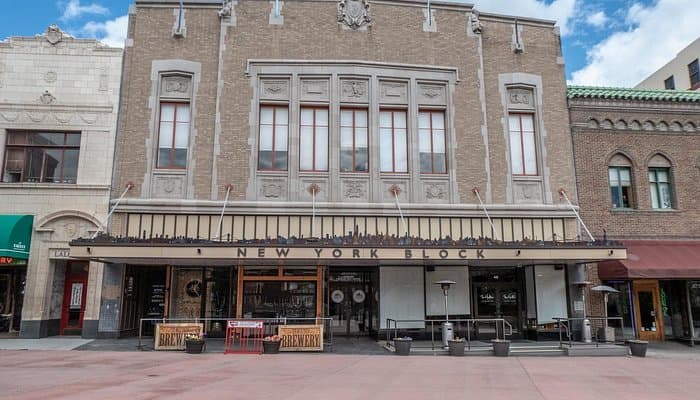
That courthouse sequence matters because it marks the shift from frontier administration to organized public government. Lewis and Clark County was created on June 2, 1865, just after Montana Territory formed, and the courthouse became the place where law, records, and local power settled into permanent form. In a city built on a gold rush, the courthouse is proof that the county’s identity did not stop at extraction.
Why the district still shapes downtown Helena
The district’s present-day value is practical, not abstract. Because the 88 locations are concentrated around the original downtown, they keep people moving on foot through the same blocks where Helena first grew, which is exactly why the area still supports tourism and storefront traffic. Visitors come for the story, but they spend time in the businesses, public buildings, and walkable streets that make the story visible.
The district also affects how Helena handles change. A street pattern that follows original claim lines is harder to replace than a modern subdivision, and landmarks like the U.S. Assay Office and Lewis and Clark County Courthouse create preservation obligations that shape redevelopment choices block by block. That means county and city decision-makers are not just managing architecture; they are balancing access, reuse, maintenance, and the cost of keeping historic fabric intact while downtown continues to evolve.
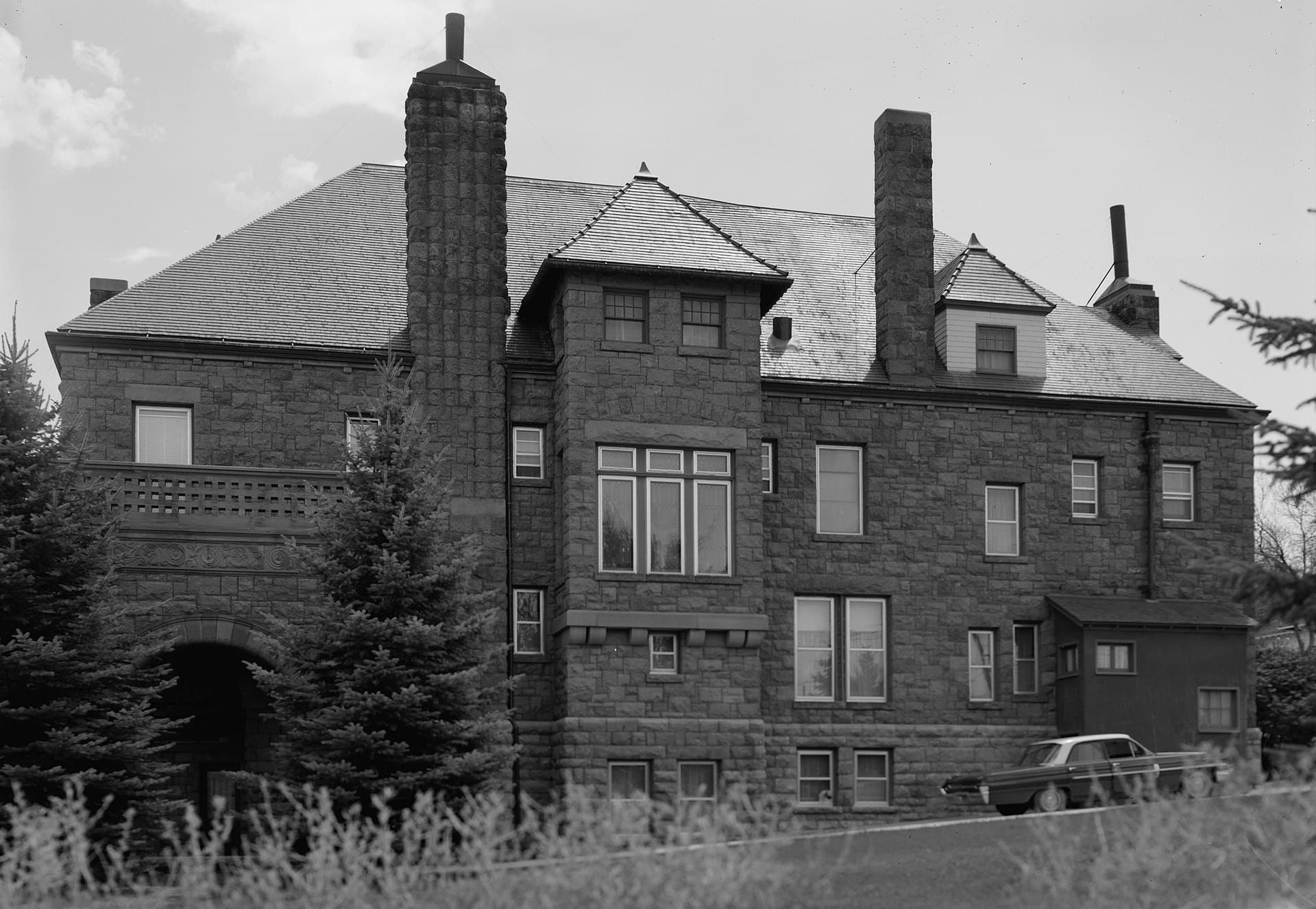
For a local walk, the district works best as a layered route rather than a single monument stop. Start with Last Chance Gulch, where the crooked alignment still reflects the original mining claims. Then look for the U.S. Assay Office and the courthouse, two buildings that show how Helena moved from an improvised camp into a place with institutions, records, and public authority.
What the district says about Helena’s future
The strongest case for the Helena Historic District is that it still explains the city’s economy and public life. The 88 sites do not merely preserve scenery; they preserve the built evidence of how Helena became a mining center, a territorial seat, and then the capital city tied to Lewis and Clark County’s growth. That gives downtown a role bigger than nostalgia, because the district keeps shaping how people move, spend, and decide what can be built next.
Helena’s early rush left behind more than legends. It left a street that bends with the claims of 1864, a courthouse that reflects the rise of county government, and an assay office that shows how gold wealth had to be measured before it could be used. Those are the details that make the district still matter today.
This article was produced by Prism’s automated news system from verified source data, official records, and press releases, then run through automated quality and moderation checks before publishing. The system is built and supervised by the people who set the standards it runs under. Read our full AI policy.
Did this article answer your question?