Helena man sentenced after large fentanyl and meth seizure
A Helena man received a 12 year, four month federal prison sentence on Jan. 1, 2026, after pleading guilty to possession with intent to distribute fentanyl, methamphetamine and other drugs. The seizure highlights ongoing public health and public safety challenges in Lewis and Clark County as officials work to disrupt fentanyl distribution and reduce overdose risks.

U.S. authorities announced on Jan. 1, 2026 that 39-year-old David Alan Moorse of Helena was sentenced to 12 years and four months in federal prison, followed by five years of supervised release, after pleading guilty in April 2025 to possession with intent to distribute controlled substances, a felony.
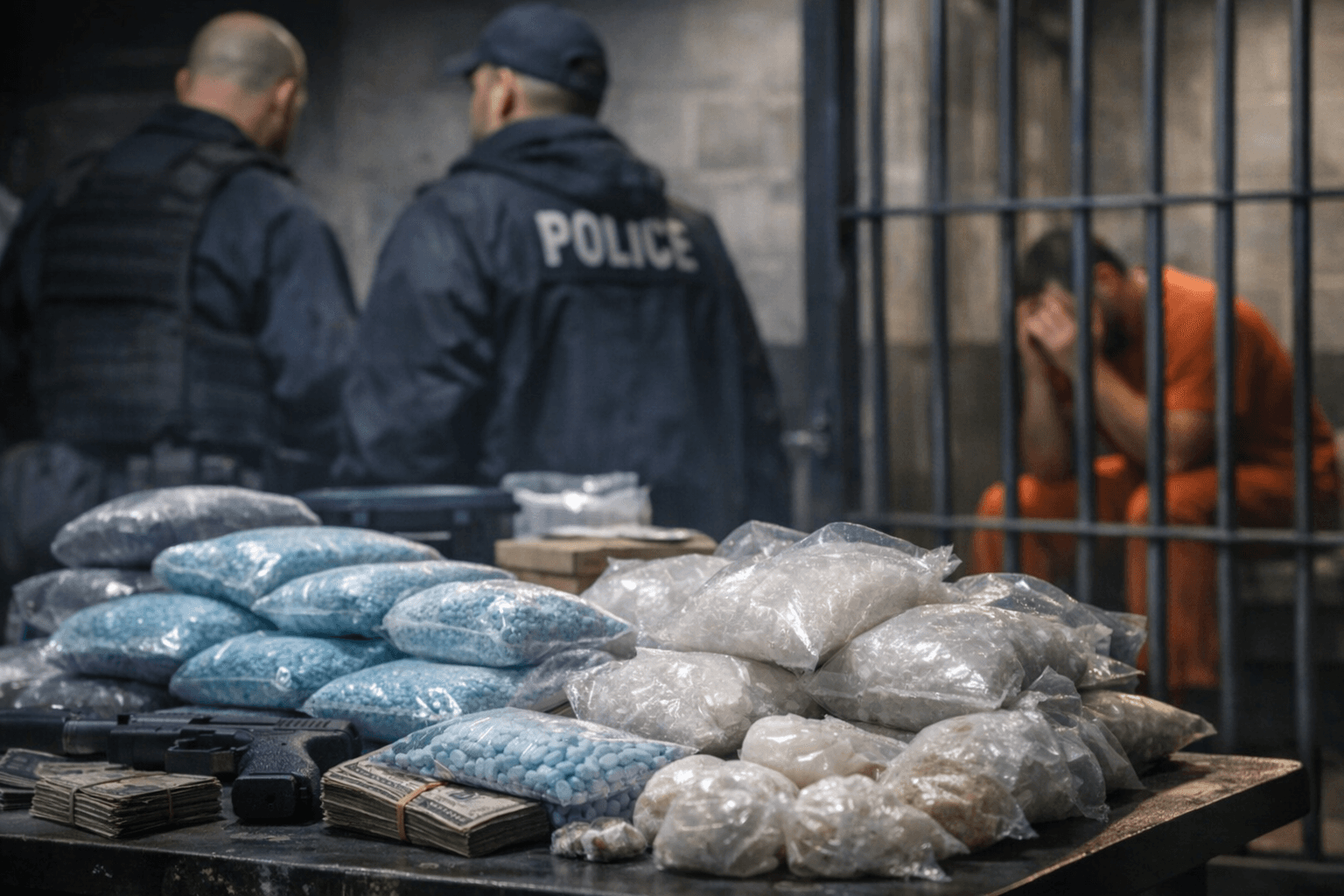
Law enforcement had been tipped off that Moorse was distributing fentanyl across Montana. He was arrested at a Helena casino on Jan. 9, 2025 on a state probation violation warrant. During a search of his vehicle officers found 94 grams of methamphetamine, 106 grams of fentanyl pills and 25 grams of fentanyl powder. Those quantities represent a significant supply that could have been dispersed locally and beyond, amplifying risks of overdose and community harm.
The case is part of a broader federal and state effort to disrupt fentanyl distribution networks that have contributed to rising overdose deaths nationwide and in Montana. For residents of Lewis and Clark County, the arrest and federal sentence offer a measure of accountability and disruption of a supply chain that endangers users and bystanders alike. At the same time, the public health dimensions of the crisis mean arrests alone address only one piece of a complex problem.
Fentanyl is far more potent than heroin or prescription opioids and even small amounts can be lethal. The presence of fentanyl in pill and powder form increases the risk that people will unknowingly consume it, especially if drugs are diverted or mixed with other substances. Local health providers and first responders continue to face challenges responding to overdoses, including the need for ready access to naloxone, training, and resources to support people in crisis.
Public safety responses must be paired with expanded access to evidence-based treatment, harm reduction services and social supports. Structural factors such as poverty, housing instability and limited behavioral health capacity shape patterns of substance use and make some community members more vulnerable. Advocates and health professionals argue that investments in treatment capacity, low-barrier harm reduction, and programs that address social determinants of health are essential to reduce overdose deaths and recidivism.
Moorse’s supervised release will require monitoring and may include conditions intended to limit further distribution, though supervised release also provides an opportunity to connect people with treatment and reentry services. For local officials the case underscores the need to continue coordinating law enforcement, public health, and social service responses to keep neighborhoods safe while offering pathways to recovery.
As Lewis and Clark County moves forward, balancing enforcement with expanded prevention, treatment and harm reduction will be critical to mitigating immediate dangers and addressing the systemic drivers of substance use and overdose in the community.
Know something we missed? Have a correction or additional information?
Submit a Tip