Helena simulation shows tough first 30 days after prison release
A Helena reentry drill showed how fast prison release can unravel when housing, IDs, bus fare and treatment all run short.

A one-hour Helena simulation showed how quickly a person can fall behind after prison release when a bus ticket runs out, paperwork stacks up and a place to sleep is still missing.
The Montana Department of Corrections led the exercise on Thursday, April 17, 2026, with participants from Helena’s Chamber of Commerce and Leadership Montana stepping into the first 30 days after incarceration. The drill compressed four weeks into about an hour, with each week lasting 20 minutes, and gave participants limited bus tickets, money and items they could pawn as they tried to find housing, secure identification, reach treatment and counseling, and keep up with supervision requirements while looking for work.
For Leadership Helena member Lynn Voss, who took the role of Jeremiah Johnson, the exercise exposed how fragile the restart can be. Voss said even figuring out where to go for one item could become difficult, and that frustration was the point: a person can get stuck before there is any real chance to rebuild. Carson Woodland said the simulation felt a bit like the game Clue, but the deeper lesson was how privilege can hide the realities of reentry.
Katie Weston, the warden at Montana’s women’s prison, said she has led about 50 similar events during her career. Weston said some participants in the exercise ended up homeless and others ended up back in jail, which matched the broader warning she wanted to make clear in Helena: without equal opportunity and support, people are more likely to return to incarceration.
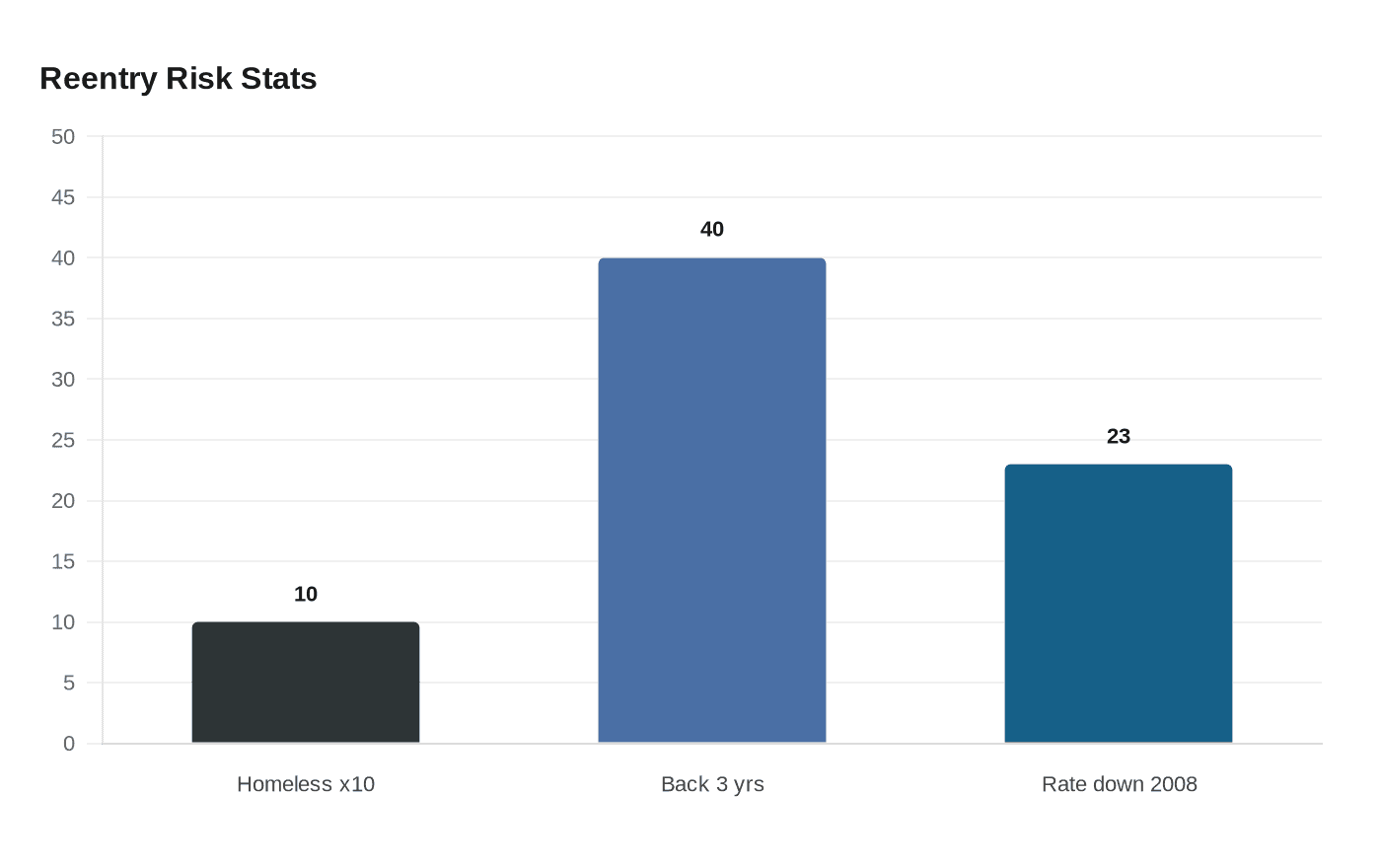
The numbers behind that warning are stark. The Montana Department of Corrections says formerly incarcerated people are about 10 times more likely to be homeless than people who did not serve time in a secure facility. The department also says it supervises about 10,500 offenders in the community on any given day, and more than 2,000 people are released from Montana prisons every year. A Montana State University research summary says 40% of people released from prison in Montana are back within three years.
State corrections officials say transitional assistance funds and rental vouchers can help people reentering through parole, conditional release, community corrections or probation cover housing assistance, transportation, treatment or program costs. The Council of State Governments Justice Center says state-level reincarceration rates are 23% lower than in 2008, but it estimates states will still spend $8 billion on reincarceration costs for people who exited prison in 2022.
In Lewis and Clark County, where housing costs, transportation gaps and treatment access can determine whether someone keeps a job or misses a required appointment, the Helena simulation made one thing plain: reentry is not a single hurdle but a chain of them, and breaking any link can send a person back into the system.
This article was produced by Prism’s automated news system from verified source data, official records, and press releases, then run through automated quality and moderation checks before publishing. The system is built and supervised by the people who set the standards it runs under. Read our full AI policy.
Did this article answer your question?